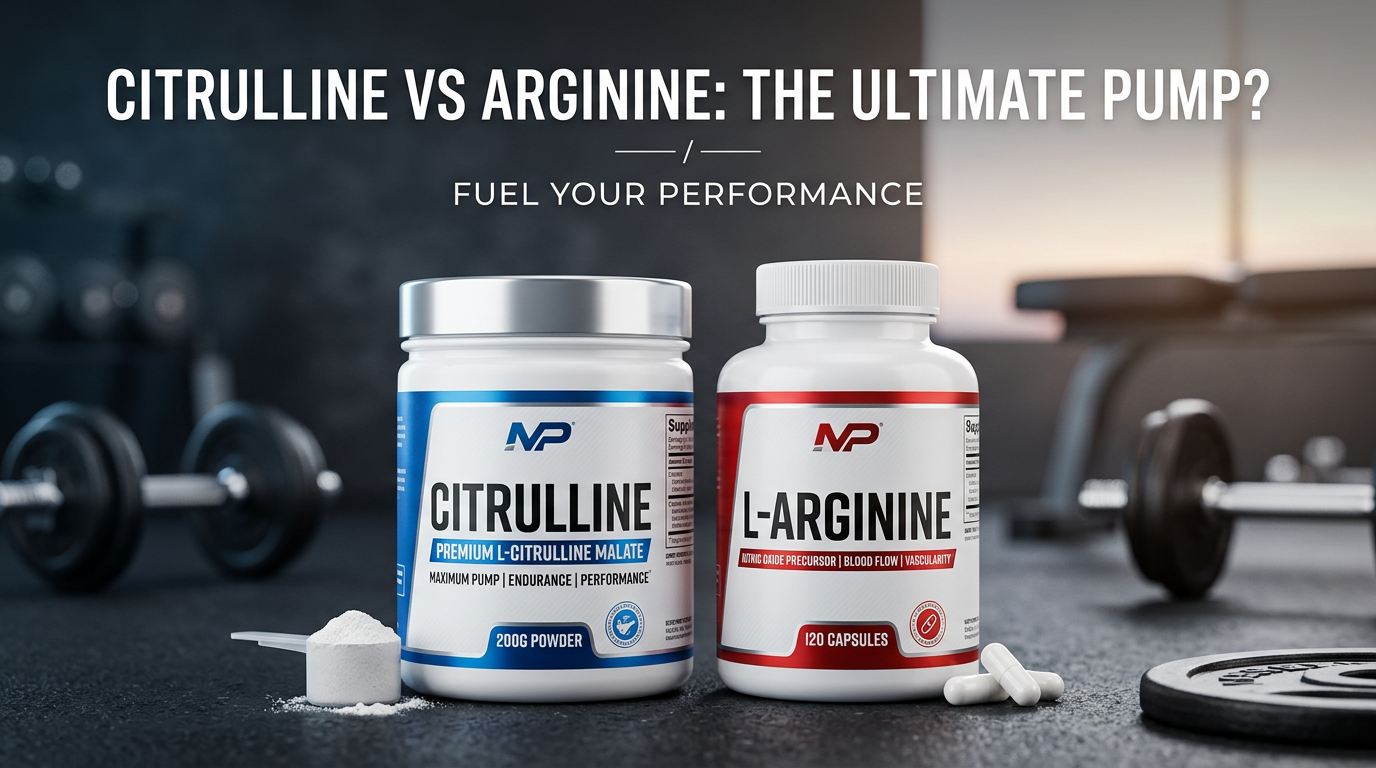
When you want to support blood flow, muscle pumps, or endurance, two amino acids often come up: citrulline and arginine. Both are linked to nitric oxide (NO) production and vascular function, but they are not interchangeable. Understanding how each works, what the evidence shows, and how to dose them helps you make informed choices about diet, timing, and supplements. This guide covers the main evidence and practical use of citrulline vs arginine so you can avoid hype and focus on what works.
Whether you are an athlete, someone managing a specific condition, or simply aiming to optimize your nutrition, having a clear picture of the evidence helps. We have structured the guide so you can skim the summaries or read in depth. Where numbers or doses are mentioned, they are intended as general reference ranges, not prescriptions. Always consider your own health context and, when in doubt, consult a healthcare provider or registered dietitian. For shopping, you can compare amino acid supplements and sports nutrition options on iHerb.
What are citrulline and arginine?
Arginine is an amino acid that the body uses to produce nitric oxide via the enzyme nitric oxide synthase (NOS). NO helps blood vessels relax and dilate, improving blood flow. Arginine is found in protein-rich foods (meat, poultry, fish, dairy, nuts, legumes) and is also available as a supplement (L-arginine or arginine alpha-ketoglutarate).
Citrulline is another amino acid, named after watermelon (Citrullus), where it is found. The body converts citrulline into arginine, mainly in the kidneys. When you take citrulline, you get a more sustained rise in plasma arginine than when you take arginine directly, because citrulline avoids first-pass metabolism in the liver that breaks down a lot of oral arginine. That is why citrulline is often described as a better “precursor” for raising arginine and NO.
Key concepts and evidence
Scientific studies have clarified how citrulline and arginine work in the body and under what conditions they may be beneficial. Quality of evidence varies by outcome; we focus on consistent findings and areas where more research is needed.
Citrulline: absorption and plasma arginine
Multiple studies show that oral L-citrulline raises plasma arginine more effectively than oral L-arginine at comparable doses. This is largely due to better absorption and avoidance of liver breakdown. So for “boosting” arginine availability, citrulline is usually the preferred supplement.
Arginine: direct but limited
Oral L-arginine does increase plasma arginine and can support NO-dependent effects in some studies, but high doses are often needed and gastrointestinal tolerance can be an issue. Arginine is still used in research and in clinical settings (e.g. IV arginine); for everyday supplementation, citrulline is often chosen for better bioavailability.
Exercise and performance
Research on citrulline and exercise suggests potential benefits for blood flow, perceived pump, and some performance outcomes (e.g. reps to failure, time to exhaustion) when taken before training. Results are mixed: some studies find clear effects, others minimal. Individual response varies. Arginine has been studied for similar outcomes with inconsistent results; again, citrulline is often preferred for raising arginine levels.
It is important to distinguish strong evidence from randomized trials from weaker evidence from observational or small trials. We note where results are mixed or limited. Do not rely on single studies; look for patterns across multiple studies. In areas where evidence is still limited, a cautious approach and discussion with your provider is sensible.
Dosing and timing
Optimal dosing depends on goals, body size, and product form. We outline evidence-based ranges and suggest how to time intake with meals or exercise.
Citrulline dosing
- L-citrulline: Common doses in studies are 3–8 g per day, often 6–8 g taken 30–60 minutes before exercise for performance. For general support, 3 g daily is a typical starting point.
- Citrulline malate: Often dosed by citrulline content (e.g. 6–8 g citrulline equivalent). Malate adds weight; 2–3 g of citrulline from citrulline malate is a common pre-workout dose. Check the label for actual L-citrulline content.
Arginine dosing
- Studies often use 3–9 g L-arginine per day, sometimes split. Higher single doses (e.g. 9 g) can cause GI discomfort in some people. Start at the lower end and adjust as needed.
Start low, increase gradually, and give at least 7–14 days before judging effect. Many people benefit from timing citrulline (or arginine) 30–60 minutes before training when the goal is exercise-related. Avoid exceeding upper limits from the literature unless under professional supervision. If you take other medications or have health conditions, discuss supplementation with your doctor.
Food sources and supplements
Many people can get some arginine from food: meat, poultry, fish, dairy, nuts (especially walnuts, almonds), seeds, legumes, and soy. Citrulline is found in watermelon (particularly the rind), cucumber, and pumpkin; amounts are modest compared to supplement doses. When diet falls short or you want a reliable pre-workout dose, supplements can help.
Choose products with third-party testing and clear labeling. For citrulline, look for L-citrulline or citrulline malate and check the actual citrulline content per serving. Whole foods provide other beneficial compounds and fiber; prioritize food first and use supplements to fill gaps. A balanced diet remains the foundation; supplements are supplemental. When selecting a supplement, match the doses used in studies where possible. Avoid unnecessary additives and mega-doses unless there is a clear rationale. Quality varies by brand; checking for certifications and reviews is worthwhile. You can browse vitamins and supplements and joint support categories for related options.
When to choose citrulline vs arginine
Choose citrulline when you want to raise arginine and support NO production with better absorption and fewer GI issues. This applies to most people interested in blood flow, pump, or endurance support from supplementation.
Arginine may still be used in specific protocols or when prescribed; for general supplementation, citrulline is usually the preferred option. If you have a medical condition or take medications that affect blood pressure or NO (e.g. nitrates), get guidance before using either.
Safety and side effects
Both citrulline and arginine are generally well tolerated at typical supplement doses. Possible side effects include digestive upset, especially with high-dose arginine. People with low blood pressure, herpes virus (arginine can be a concern in some cases), or those on blood pressure or nitrate medications should check with a healthcare provider before use. Do not use to replace medical care for cardiovascular or metabolic conditions.
Practical tips summary
- Prioritize whole foods for overall protein and amino acids; use supplements when appropriate for dose or convenience.
- For NO and blood-flow support, prefer citrulline over arginine for better bioavailability.
- Dose: 6–8 g L-citrulline (or equivalent from citrulline malate) 30–60 minutes before training if the goal is performance; 3 g daily is a reasonable general support dose.
- Give new supplements several weeks before judging effect; consistency and lifestyle remain the foundation.
- Consult a provider if you take medications or have health conditions. Store supplements in a cool, dry place and check expiry dates.
Summary
Key takeaways: citrulline raises plasma arginine more effectively than oral arginine and is usually the better choice for supplementation. Use evidence-based doses, time intake with goals (e.g. pre-workout), and consider supplements when diet or convenience warrants it. Speak with a doctor or dietitian for personalized plans. Tracking your intake and how you feel can help you optimize over time. Individual needs vary; what works for one person may need adjustment for another. Stay within safe upper limits and report any side effects to your healthcare provider. Building sustainable habits usually beats short-term extremes; small consistent steps often lead to better long-term outcomes than aggressive protocols that are hard to maintain. Revisit your approach periodically as your goals or circumstances change, and keep an eye on new research from trusted sources.