Hitting a daily protein target (e.g. 1.6–2.2 g/kg for muscle building or 1.6–2.4 g/kg on a cut) is easier when you plan meals and snacks. Without a rough plan, many people under-eat protein at breakfast and over-rely on dinner. Spreading intake across the day supports muscle protein synthesis and satiety. This guide covers simple meal-planning principles: how to allocate protein per meal, which foods to lean on, and how to use supplements to fill gaps without replacing whole foods. As a fitness coach, I see clients hit their targets consistently once they have a clear structure—here is how to build yours.
Why Plan for Protein
Protein is essential for building and maintaining muscle, supporting recovery, and keeping you full. Research shows that distributing protein across multiple meals (roughly 20–40 g per meal for most adults) stimulates muscle protein synthesis more effectively than eating most of your protein in one or two large meals. Planning ahead also removes guesswork: you know what to buy, what to prep, and what to eat at each sitting. Without a plan, busy days often end with a low-protein dinner or skipped meals, leaving you short of your goal. A simple plan does not need to be rigid—it just needs to give you enough structure to hit your target most days.
Allocate Protein Per Meal
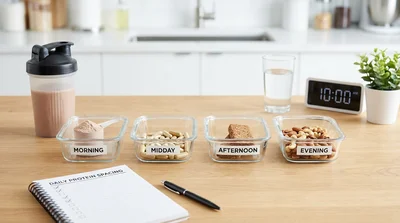
Aim for 20–40 g of protein per meal (or 0.25–0.4 g/kg per meal) across three to five eating occasions. That range stimulates muscle protein synthesis effectively for most adults. If you weigh 80 kg and target 160 g protein per day, four meals of 40 g each or five of 32 g each are easy targets. Adjust for appetite and schedule: larger people and those with higher targets may need bigger portions or an extra snack. Skipping breakfast? Shift more protein to lunch, dinner, and a post-workout shake. The key is consistency over the week rather than perfection at every meal.
If you train early in the morning, front-loading protein at breakfast and post-workout helps distribute intake and supports recovery. If you train in the evening, spreading protein across the day and having a solid post-workout meal or shake works well. There is no single best pattern—choose one that fits your routine and that you can sustain.
Protein-Rich Foods to Build Meals Around
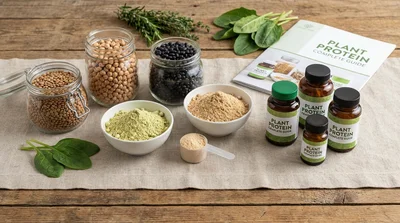
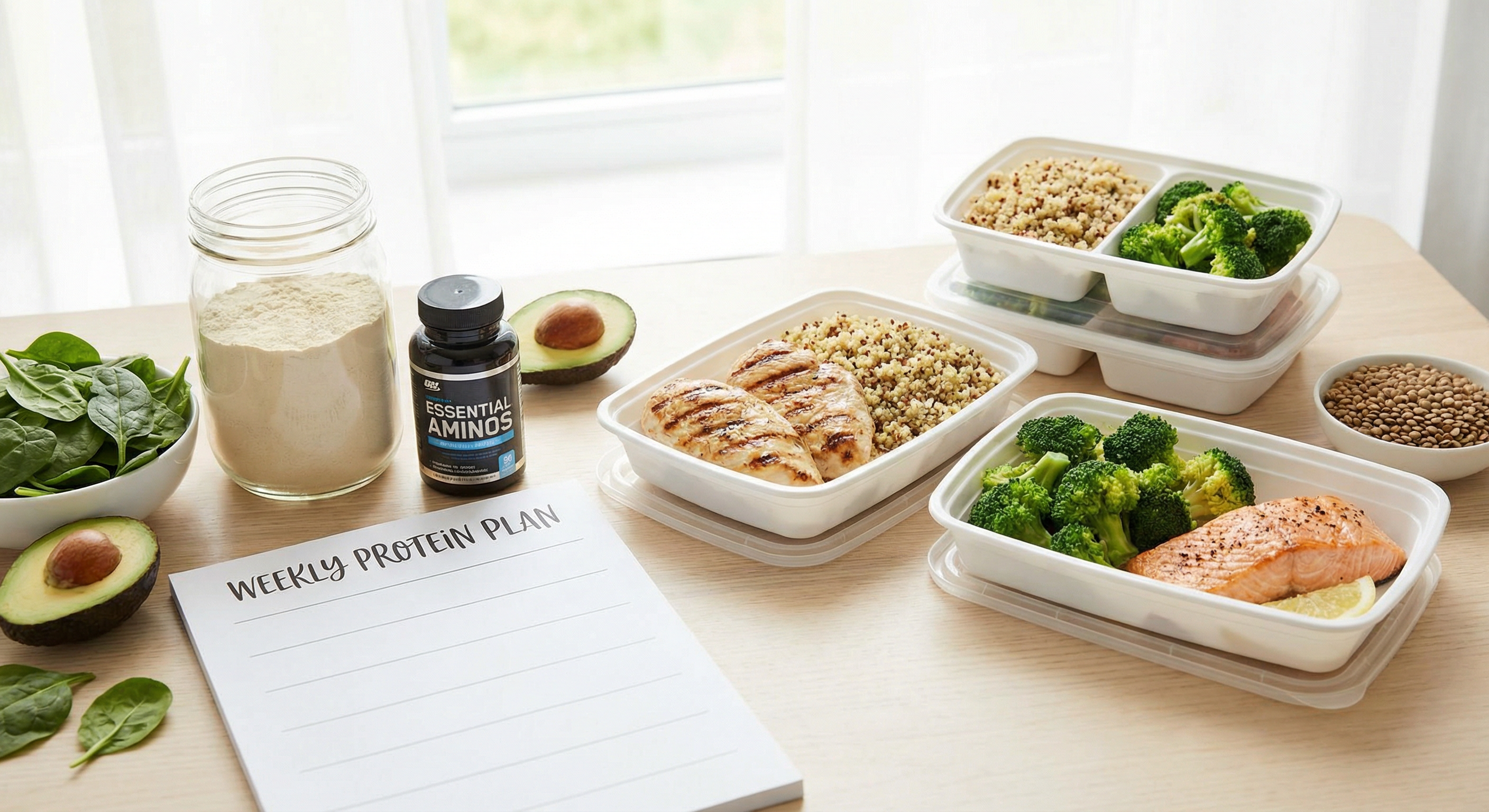
Animal sources: lean beef, chicken, turkey, fish, eggs, Greek yogurt, cottage cheese, milk. Plant sources: tofu, tempeh, legumes (lentils, chickpeas, black beans), edamame, quinoa, and combined grains with legumes. A palm-sized portion of meat or fish often delivers 25–30 g protein; two eggs about 12 g; a cup of Greek yogurt 17–20 g; a scoop of whey 20–25 g. Mix and match to hit your per-meal target. Prep batches of grilled chicken, boiled eggs, or lentil soup to make high-protein meals quick on busy days. Compare protein powders and meal replacements when supplements are useful.
For variety, rotate proteins: chicken and turkey one week, fish and eggs another, legumes and tofu for plant-based days. Frozen fish fillets, canned tuna, and pre-cooked lentils make last-minute high-protein meals possible. Keep a list of your favourite high-protein foods and build a small repertoire of meals you can make quickly so that planning feels manageable rather than overwhelming. Rotating also helps you get a mix of nutrients and avoids boredom so you stick to the plan long term.
Snacks and Gaps
Snacks with 15–25 g protein help bridge gaps: Greek yogurt, cheese and nuts, a protein bar, or a small shake. If you have a long gap between lunch and dinner, a mid-afternoon snack with protein prevents a single huge dinner and keeps amino acids available for muscle repair. Supplements are useful when whole-food intake falls short. Use them to top up, not to replace meals consistently. A protein shake after training or between meals can make it easier to hit your target without cooking. Choose bars and shakes that fit your calorie and macro goals—some are very high in sugar or fat, so check the label.
Sample Day (Example 80 kg, 160 g target)
- Breakfast: 2 eggs, Greek yogurt, toast (~35 g).
- Lunch: Chicken salad with quinoa (~40 g).
- Snack: Protein bar or shake (~25 g).
- Dinner: Fish, rice, vegetables (~45 g).
- Evening: Cottage cheese or casein (~25 g).
Total ~170 g; adjust portions to match your weight and goal. Plan one or two days in advance so shopping and prep are straightforward. This is only one example—your meals can look very different as long as the total protein and distribution work for you. Vegetarians and vegans can swap animal proteins for legumes, tofu, tempeh, and plant-based protein powders; the same principle of spreading intake applies.
Evidence: Why Distribution Matters
Studies on muscle protein synthesis suggest that there is a ceiling per meal: beyond roughly 0.4 g/kg (about 30–40 g for many adults), adding more protein in that meal does not further stimulate synthesis. So spreading 120–160 g across four or five meals is more effective for muscle building than eating the same total in two large meals. For older adults, the per-meal threshold may be slightly lower, making distribution even more important. Satiety also tends to be better when protein is spread across the day, which can help with appetite control during a cut. None of this means you must eat exactly 30 g per meal—it means that avoiding very low-protein meals and very long gaps without protein is a good strategy.
Tips for Consistency
Batch-cook proteins (chicken, eggs, legumes) so they are ready to add to meals. Keep canned tuna, Greek yogurt, and cheese on hand for quick options. Track intake for a few days to see where you fall short, then add a snack or larger portion at that meal. If you train early, front-loading protein at breakfast and post-workout helps distribute intake. Use a simple app or notepad to log protein for a week—you will quickly see patterns and where to adjust. Once you have a routine that works, you may not need to track every day; the structure becomes automatic. Meal prep one or two days per week (e.g. Sunday and Wednesday) so you always have cooked protein ready.
Supplements: When and How
Whey protein is convenient post-workout or as a between-meal top-up. Casein or blended proteins can be useful at night for a slow release of amino acids. Plant-based options (pea, rice, hemp) work well if you avoid dairy or prefer plant sources. Use supplements to fill gaps, not to replace whole foods on a regular basis—whole foods provide more nutrients and fibre. If you rely heavily on shakes, choose products with minimal added sugar and consider adding fruit, vegetables, or oats to improve nutrition. You can browse protein powders and meal replacements on iHerb to compare options.
Adjusting for Goals: Building vs. Cutting
When building muscle, you are in a calorie surplus and protein supports growth; 1.6–2.2 g/kg is a common range. When cutting, protein helps preserve muscle while you are in a deficit; many people aim for the upper end (e.g. 2.0–2.4 g/kg) to maximise retention. In both cases, distribution across meals matters. On a cut, prioritise protein at each meal and use vegetables and fibre to stay full; snacks can be lower in calories but still protein-focused (e.g. Greek yogurt, lean deli meat). On a bulk, you have more room for calorie-dense options, but still aim for a consistent spread so that muscle protein synthesis is stimulated throughout the day.
Common Mistakes
Loading most protein at dinner leaves morning and afternoon low—redistribute. Relying only on supplements skips the benefits of whole foods and can leave you short on fibre and micronutrients. Not tracking for a few days makes it hard to know where you stand—a short log can reveal big gaps. Skipping meal prep leads to last-minute choices that are often lower in protein. Fix these by planning a few days ahead, prepping protein in batches, and using supplements only to fill gaps.
Safety and Quality
Healthy adults can safely consume 1.6–2.4 g/kg protein from food and supplements. If you have kidney disease or other conditions, your doctor or dietitian may recommend a different range. Choose lean and minimally processed protein sources most of the time; processed meats and very high-fat options are fine occasionally but do not need to be the base of every meal. For supplements, pick reputable brands and check for third-party testing (e.g. NSF, Informed Sport) if you are concerned about purity. Stay hydrated; high protein intakes increase water needs. Spread intake across the day to avoid overloading any single meal and to support digestion. If you feel digestive discomfort, try spreading protein more evenly or choosing easier-to-digest sources (e.g. fish, eggs, yogurt).
When to Reassess
Revisit your plan if your weight changes (adjust total protein for your new weight), your goals change (building vs. cutting), or your schedule shifts (e.g. new job, different training time). A plan that worked for 80 kg may need updating at 85 kg; a plan that worked in a surplus may need tweaking in a deficit. Tracking for a few days every few months can confirm you are still on target without needing to log every day forever. Small adjustments keep your intake aligned with your current goals and body weight.
FAQ
Do I need to eat protein every 2–3 hours?
No. Distribution across three to five meals is enough for most people. The important thing is avoiding very long gaps (e.g. 8 hours) with no protein and avoiding meals with almost no protein.
Can I get enough protein on a plant-based diet?
Yes. Combine legumes, tofu, tempeh, seitan, and plant-based protein powders. You may need slightly higher total intake or more variety to cover all essential amino acids; planning helps.
Is 2 g/kg too much protein?
For most healthy adults, 2 g/kg is safe and within the range used in research. Very high intakes (e.g. 3+ g/kg) are not necessary for most and may not add extra benefit; stay within evidence-based ranges unless advised otherwise.
What if I miss a meal?
Add protein to the next meal or have a snack. One missed meal does not ruin your progress—consistency over the week matters more than perfection each day.
How do I know if I am hitting my target?
Track protein (and optionally total calories) for 3–7 days using an app or notepad. Compare your average to your goal (e.g. weight in kg × 1.8). If you are consistently short, add a snack or increase portion sizes at the meal where you are lowest.
Should I eat before or after training?
Both matter for total daily intake. Having protein within a few hours of training (before or after, or both) supports recovery. If you train fasted, a post-workout meal or shake helps. The main point is hitting your daily total and spreading it across the day; exact timing is secondary.
Key Takeaways
- Plan 20–40 g protein per meal across 3–5 meals to support muscle protein synthesis and satiety.
- Use animal and plant sources; batch-cook and keep quick options (yogurt, canned fish, cheese) on hand.
- Use snacks and supplements to fill gaps, not to replace whole foods consistently.
- Track for a few days to find where you fall short, then adjust; meal prep makes consistency easier.
- Adjust total intake for your goal (building vs. cutting) but keep distribution across the day.
Bottom line: high-protein meal planning does not have to be complicated. Start with a target (e.g. 1.6 g/kg), divide it across your meals, and build a short list of foods and meals you enjoy. Prep in batches, use supplements when needed, and track briefly to confirm you are on track. Once the structure is in place, you can hit your protein target consistently and support your training and body composition goals. Revisit your plan when your weight or goals change so that your intake stays aligned with what you need. For more options, compare protein powders and meal replacements on iHerb to find products that fit your preferences and goals.
Consistency beats perfection: a simple plan you follow most days will outperform a complex one you abandon. Track protein for a week or two to confirm you are on target, then relax into the structure.