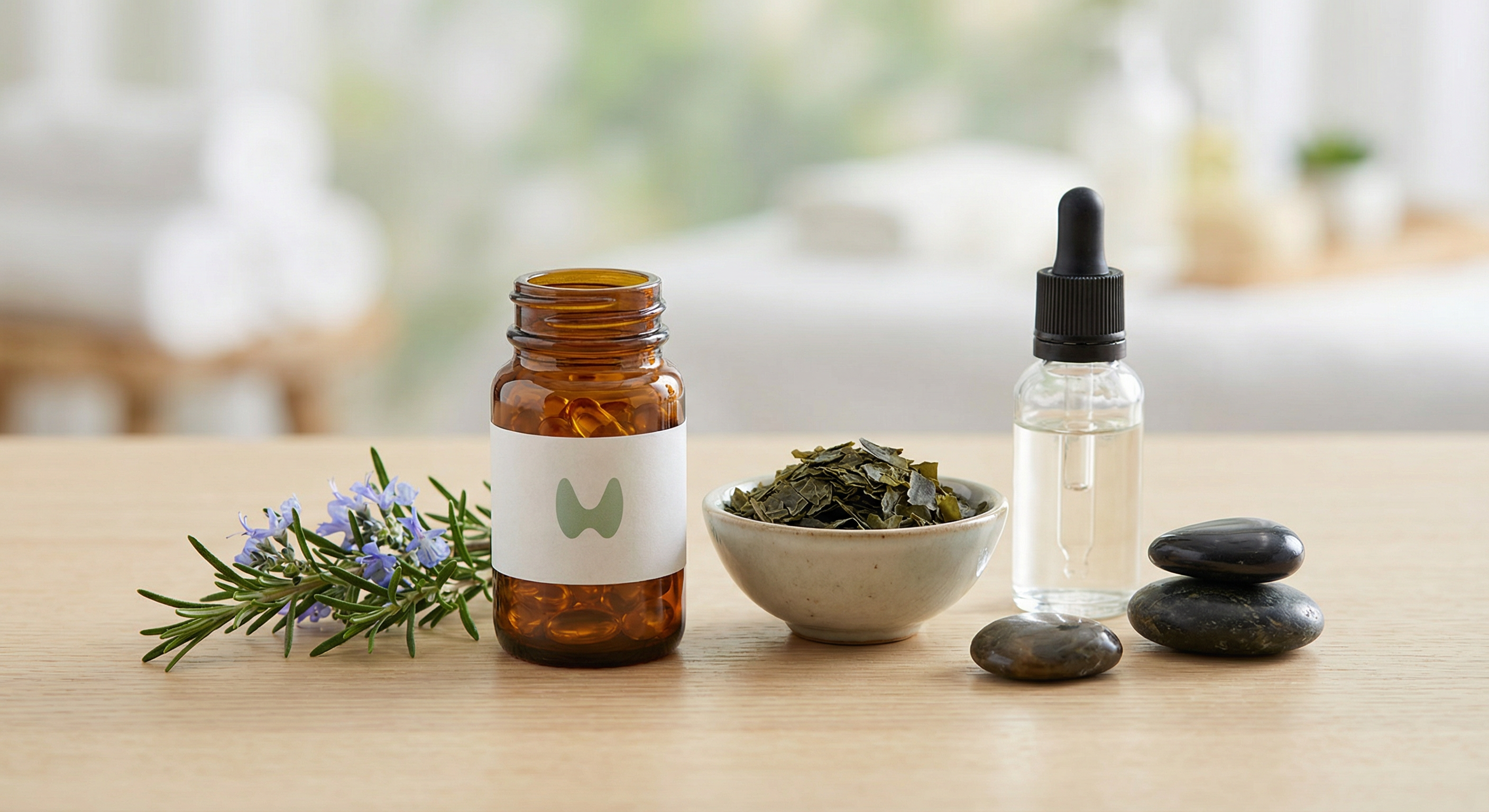
Iodine is an essential trace mineral that your body cannot make; you must get it from food or, when indicated, from supplements. As a certified nutritionist, I often explain that iodine is required for the production of thyroid hormones—thyroxine (T4) and triiodothyronine (T3). These hormones regulate metabolism, growth, and development. Too little iodine can lead to hypothyroidism, goiter (enlargement of the thyroid gland), and in pregnancy to serious effects on fetal brain development. Too much iodine can also harm the thyroid and trigger or worsen hyperthyroidism or autoimmune thyroid disease. So balance is key: enough to meet needs, not so much that you exceed safe upper limits. This guide covers daily requirements, food sources, when supplements may be useful, forms and dosing, and safety—especially if you have thyroid disease. For product options see iodine on iHerb and vitamins and minerals on iHerb; always choose dose with your doctor or dietitian.
Iodine and the thyroid gland
The thyroid gland sits in the front of the neck and takes up iodine from the blood to make T4 and T3. Iodine is a building block of these hormones; without enough iodine, the thyroid cannot produce sufficient hormone and hypothyroidism can develop. In some regions of the world, iodine deficiency is still common and is a leading cause of preventable intellectual disability in children when pregnant women are deficient. In many countries, iodised salt and a varied diet supply enough iodine so that most people do not need supplements. However, if you avoid salt, eat a strict vegan diet without seaweed or iodised salt, or live in an area with low iodine in soil and water, you may be at risk of low intake. On the other hand, excessive iodine (from high-dose supplements or large amounts of seaweed) can cause thyroid dysfunction, especially in people who already have thyroid disease or nodules. So the goal is to meet but not exceed your needs.
Daily needs and recommendations
Adults generally need about 150 micrograms (mcg) of iodine per day. Pregnant women need about 220 mcg per day, and breastfeeding women about 290 mcg per day, to support the baby's brain development and the mother's thyroid function. These values are based on recommendations from health authorities such as the World Health Organisation and national dietary guidelines. The tolerable upper intake level (UL) for adults is typically around 1,100 mcg per day—above this, risk of adverse effects on the thyroid increases. Do not take high-dose iodine or kelp supplements without medical advice; they can provide far more than the UL and cause harm.
Food sources of iodine
Iodised table salt is a major source of iodine in many countries; a small amount used in cooking or at the table can help meet daily needs. Seafood—fish, shellfish, and especially seaweed (kelp, nori, wakame)—is naturally rich in iodine, but seaweed content varies widely and some species can contain very high amounts. Dairy products and eggs can contribute iodine depending on animal feed and farming practices. Bread and other foods may be made with iodised salt in some regions. If you do not use iodised salt and rarely eat seafood or dairy, your intake may be low. A registered dietitian or your doctor can help you estimate your intake and decide whether you need a supplement. Vegans who avoid seaweed and iodised salt are often advised to consider a low-dose iodine supplement or to include small, consistent amounts of iodised salt or tested seaweed; dosage should be set by a professional to avoid excess.
When supplements may be useful
Supplements may be recommended when dietary intake is consistently low and difficult to improve—for example, limited access to iodised salt or seafood, or a very restrictive diet. Pregnancy and breastfeeding increase needs; many prenatal vitamins contain iodine (check the label), but not all do. If you are pregnant or planning pregnancy, your doctor or midwife may recommend a prenatal that includes iodine or a separate supplement; the dose should be set by them. Do not self-prescribe high-dose iodine or kelp; more is not better and can be dangerous. If you have thyroid disease (e.g. Hashimoto's thyroiditis, Graves' disease), thyroid nodules, or take thyroid medication, do not take iodine supplements without your doctor's explicit approval. Iodine excess can trigger or worsen both hyperthyroidism and hypothyroidism in susceptible people. Some practitioners advise people with Hashimoto's to avoid excess iodine; the evidence is nuanced and the decision should be individual and made with your doctor.
Forms of iodine in supplements
Common forms include potassium iodide and sodium iodide, often in multivitamins or as standalone drops or tablets. Kelp and other seaweed-based supplements provide iodine but the amount can vary greatly from batch to batch; standardised potassium iodide is more predictable. When a professional recommends supplementation, they will usually suggest a dose that brings your total intake (food plus supplement) to the recommended level without exceeding the upper limit. For example, a supplement providing 100–150 mcg per day is often sufficient when food intake is low; higher doses require medical supervision. Never take multiple iodine-containing products (e.g. multivitamin plus kelp plus iodine drops) without checking total iodine and consulting your doctor.
Testing and monitoring
If you are unsure about your iodine status, your doctor can order tests. Urinary iodine is often used to assess recent intake; it does not tell you about long-term stores. Thyroid function tests (TSH, and sometimes T4, T3) show how your thyroid is working but are not a direct measure of iodine. In regions where deficiency is common, public health programs may monitor iodine status in the population. If you have been told you have low iodine or you are at risk (e.g. pregnancy, vegan diet without iodised salt or seaweed), follow your doctor's or dietitian's advice on supplementation and retesting. Do not assume you are deficient without testing or professional assessment; unnecessary supplementation can be harmful.
Iodine and children
Children need less iodine than adults (e.g. about 90–120 mcg per day depending on age); they usually get enough from iodised salt and a varied diet including dairy and other foods. Do not give children adult iodine or kelp supplements unless a paediatrician or dietitian has recommended a specific product and dose. Excess iodine in childhood can affect the thyroid; when in doubt, focus on diet and ask your child's doctor before adding any supplement. School-age children and teens who skip breakfast or eat a limited diet may have lower iodine intake; offering iodised salt at meals and including seafood or dairy when possible helps meet needs without supplements in most cases. If you are unsure whether your family gets enough iodine, a single discussion with your doctor or a dietitian can clarify whether testing or small dietary changes are needed.
Safety: thyroid conditions and pregnancy
With autoimmune thyroiditis (Hashimoto's), excess iodine may trigger or worsen inflammation in some people; many experts advise avoiding high-dose iodine and kelp in this group. With Graves' disease or nodular disease, excess iodine can also cause problems. So if you have any thyroid condition, do not add iodine supplements without your doctor's approval. In pregnancy, iodine is critical for the baby's brain development; deficiency increases the risk of cognitive impairment. Many pregnant women get enough from iodised salt and diet; others need a prenatal or separate iodine supplement. The dose must be set by your doctor or midwife—do not take high-dose or kelp-based products. While breastfeeding, needs remain elevated; continue to follow professional guidance on diet and any supplements.
Seaweed and kelp: use with caution
Seaweed can be a natural source of iodine, but the content is highly variable. Some types of kelp contain very large amounts of iodine—a single serving can exceed the daily requirement many times over. Regular consumption of high-iodine seaweed has been linked to thyroid dysfunction. If you eat seaweed, do so in moderation and be aware that “natural” does not mean “safe at any dose.” Kelp supplements are particularly unpredictable; if your doctor recommends iodine, a standardised potassium iodide product is safer than kelp unless they specify otherwise. Check labels and avoid doubling up on iodine from multiple supplements.
Iodine in multivitamins and prenatal products
Many multivitamins and prenatal supplements contain iodine (often 100–150 mcg per serving). If you take one of these, check the label so you know how much iodine you are getting and avoid adding a separate high-dose iodine or kelp product on top. Summing iodine from multiple supplements can easily exceed the upper limit. If you are pregnant or planning pregnancy, choose a prenatal that includes iodine in an amount your doctor or midwife approves, and do not add extra iodine unless they specifically recommend it. People with thyroid disease should only take multivitamins that contain iodine if their doctor has agreed.
Summary of key points
- Iodine is essential for thyroid hormone production; both deficiency and excess can harm the thyroid.
- Adults need about 150 mcg/day; pregnant and breastfeeding women need more (220–290 mcg).
- Food sources: iodised salt, seafood, seaweed (in moderation), dairy, eggs—depending on region and diet.
- Supplement only when intake is low and recommended by a professional; never without medical clearance if you have thyroid disease.
- Use standardised forms (e.g. potassium iodide) rather than unstandardised kelp when supplementing.
Regional differences and travel
Iodine in the food supply varies by country and region. In some areas, salt is routinely iodised and deficiency is rare; in others, soil and water are low in iodine and iodisation may be incomplete or absent. If you travel or relocate, your usual sources (e.g. local salt, dairy, seafood) may change. When in doubt, stick to moderate amounts of known sources (iodised salt, varied diet) and avoid high-dose or kelp supplements unless a local doctor or dietitian recommends them. A brief conversation with a healthcare provider can clarify whether you need testing or supplementation in your current setting.
FAQ
Do I need an iodine supplement if I use sea salt?
Sea salt usually does not contain added iodine. If you use only sea salt and do not get iodine from other foods (seafood, dairy, iodised salt in processed foods), you may be at risk of low intake. Discuss with your doctor or dietitian; they may suggest a low-dose supplement or ways to include iodised salt or other sources.
Can too much iodine cause hypothyroidism?
Yes. Excess iodine can trigger or worsen hypothyroidism in some people, especially those with autoimmune thyroiditis (Hashimoto's). That is why high-dose iodine and kelp should be avoided unless prescribed by a doctor.
Is iodine safe during pregnancy?
Iodine is essential during pregnancy for the baby's brain development. Many women get enough from diet and a prenatal that contains iodine. The dose must be set by your doctor or midwife; do not take high-dose or kelp supplements on your own.
What if I have Hashimoto's?
Many experts advise people with Hashimoto's to avoid excess iodine (e.g. high-dose supplements, large amounts of kelp). Iodised salt in normal amounts is usually fine. Do not add iodine supplements without your doctor's approval.
Final note
Iodine is essential in the right amount; get most of it from food when possible, and use iodised salt if you use salt and live where it is fortified. Consider a supplement only when intake is low and a professional recommends it, and never when you have thyroid disease or take thyroid medication without your doctor's approval. Remember that both too little and too much iodine can harm the thyroid; the aim is to meet your daily requirement (about 150 mcg for most adults, more in pregnancy and lactation) without regularly exceeding the upper limit. A balanced approach—food first, targeted supplementation only when needed and under guidance—keeps you safe and well supported. For a range of iodine and thyroid-support products, see iodine on iHerb and vitamins and minerals on iHerb; choose doses that match your doctor's or dietitian's advice. If you are unsure about your iodine status or thyroid health, a conversation with your doctor or a registered dietitian can help you decide whether testing or supplementation is appropriate.