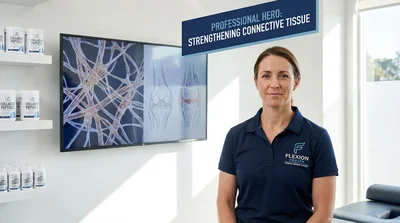
Joint injuries can sideline athletes and active adults for weeks or months. Prevention is better than cure: sensible load management, strength and mobility work, and evidence-based habits can significantly reduce the risk of sprains, strains, and overuse problems. This guide covers what the research shows about joint injury prevention, how to structure training and recovery, and when supplements may play a supporting role. Whether you run, lift, play sport, or stay active in other ways, these principles apply.
Why Joint Injury Prevention Matters
Joints—knees, ankles, hips, shoulders, wrists—bear load and allow movement. Acute injuries (e.g. ligament sprains, meniscus tears) often happen during sudden direction changes, landings, or contact. Overuse injuries (tendinopathy, joint stress) build up when load or volume increases too quickly or when recovery is insufficient. Both can be reduced by progressive loading, adequate strength around joints, good movement quality, and recovery. Prevention is especially important for masters athletes and anyone returning from a previous injury, as recurrence rates are higher without addressing risk factors. Time lost to injury affects not only performance but also daily life and mental wellbeing; investing in prevention pays off over the long term.
Load Management and Progressive Overload
One of the strongest predictors of injury is a sudden spike in training load. Avoid increasing volume or intensity by more than about 10% per week as a general rule; individual tolerance varies. Use periodisation: cycle between higher and lower load phases so joints and connective tissue have time to adapt. Include deload weeks every few weeks or when you feel accumulated fatigue. If you are returning from a break or injury, build back gradually rather than jumping to previous volumes. Track training load (e.g. session duration, intensity, volume) and how your joints feel; adjust before small niggles become full injuries. Cross-training and variety distribute stress across different structures and reduce repetitive strain. A simple training diary or app can help you spot patterns (e.g. pain after a particular type of session) and correct course early. Consistency over time with sensible progression usually beats short bursts of high load followed by long layoffs.
Strength and Stability Around Joints
Strong muscles around a joint absorb force and protect passive structures (ligaments, cartilage). Include strength work that targets the areas most at risk for your activity: for runners, hips and knees; for overhead athletes, shoulders and scapula; for court sports, ankles and knees. Eccentric exercises are often used in prevention and rehab for tendons (e.g. calf raises for Achilles, Nordic curls for hamstrings). Balance and proprioception work (single-leg stance, unstable surfaces where appropriate) can reduce ankle and knee injury risk. Do not skip strength training in favour of more sport-specific volume; the two complement each other. Even one or two focused sessions per week can make a meaningful difference over months. Progress resistance and difficulty gradually to allow tendons and joints to adapt.
Warm-Up, Mobility, and Movement Quality
A proper warm-up increases blood flow, readiness, and range of motion. Use dynamic movements that mirror your activity rather than long static stretching before effort. Include mobility work in your routine so that joints move through full ranges without restriction; stiffness and poor movement patterns can increase injury risk. Address technique: poor form under load can stress joints unnecessarily. If you have persistent stiffness or asymmetry, a physiotherapist or coach can help with assessment and corrections. Cool-downs and light movement after training support recovery and may reduce next-day stiffness.
Recovery, Sleep, and Nutrition
Recovery is when tissue adapts and repairs. Inadequate sleep increases injury risk and slows recovery; aim for consistent sleep duration and quality. Seven to nine hours per night is a common target for most adults; address sleep disorders with a doctor if needed. Nutrition supports recovery: adequate protein for tissue repair, a balanced diet with enough energy and micronutrients. Carbohydrates and protein after hard sessions support glycogen replenishment and muscle repair. Hydration matters for joint function and general performance; dehydration can affect coordination and increase perceived effort. Avoid chronic low energy availability (underfuelling relative to load), which can weaken bone and connective tissue over time. Rest days and easy days are part of the plan, not a sign of weakness. Active recovery (light walking, swimming, cycling) can promote blood flow without adding significant load.
Supplements and Joint Injury Prevention
Supplements do not replace load management, strength, or recovery, but some may support joint and connective tissue health when used as part of a broader approach. Collagen or collagen peptides are studied for tendon and ligament support; typical doses in trials are around 5–15 g hydrolysed collagen per day, often with vitamin C. Timing (e.g. around training) may matter in some studies; consistency over weeks or months is likely more important than exact timing. Glucosamine and chondroitin are more often studied for joint comfort and osteoarthritis; evidence for injury prevention specifically is limited but some athletes use them for general joint support. Omega-3 fatty acids have anti-inflammatory properties and may support recovery; 1–3 g EPA plus DHA per day is a common range. Vitamin D and calcium are important for bone health; a blood test can guide need. Choose products with third-party testing (e.g. USP, NSF) and use evidence-based doses. Quality bone and joint supplements and glucosamine are available for those who wish to try them; discuss with a provider if you take other medications. Give any new supplement at least several weeks before judging effect.
When to See a Doctor or Physiotherapist
Do not ignore persistent pain, swelling, locking, or instability. Early assessment often leads to better outcomes and faster return to activity. Red flags include severe pain, inability to bear weight, obvious deformity, or signs of infection (fever, redness, warmth). A physiotherapist can help with movement assessment, strengthening programmes, and load progression. A sport or orthopaedic doctor can rule out serious damage and guide imaging or treatment. Rehabilitation after an injury should include gradual return to load and addressing causes (strength, mobility, load management) to reduce recurrence. If you are unsure whether something is serious, it is better to get it checked than to assume it will resolve on its own. Many injuries respond well to early intervention and a structured rehab plan.
Sport-Specific Considerations
Running: build volume gradually; include strength work for hips and calves; consider surface and footwear. Many running injuries are related to sudden increases in mileage or intensity; a run-walk progression or capped weekly increase can help. Team and court sports: focus on deceleration, cutting, and landing mechanics; agility and balance drills can help. Landing softly and with good alignment reduces stress on knees and ankles. Weight training: use good technique; avoid excessive load on vulnerable joints; periodise intensity. Do not sacrifice form for weight; progressive overload should be gradual. Overhead sports: prioritise shoulder and scapular strength and mobility; manage throwing or hitting volume. Rotator cuff and scapular stability work are often part of prevention programmes. General principle: match your preparation to the demands of your activity and allow time to adapt. If you are new to a sport or returning after a long break, give yourself extra time to build base fitness and joint tolerance before ramping up.
Tendons and Connective Tissue
Tendons and ligaments adapt more slowly than muscle. Rapid increases in load (especially high-intensity or plyometric work) can overload them before they have time to strengthen. Include progressive tendon-loading exercises (e.g. eccentric work) where relevant for your sport. If you have a history of tendinopathy (Achilles, patellar, rotator cuff), work with a physiotherapist on a graded loading programme. Rest alone often does not fix tendinopathy; controlled loading does. Patience with progression is key.
Bracing, Taping, and Equipment
Braces and tape can provide support and proprioceptive feedback in some situations (e.g. ankle braces for previously sprained ankles, knee sleeves for confidence under load). They are not a substitute for strength and load management; use them as part of a broader plan if recommended by a provider. Footwear should be appropriate for your activity and replaced when worn. Surfaces matter: very hard or uneven surfaces can increase stress; vary when possible.
Dosing and Safety Summary
If you use supplements, stick to evidence-based doses from product labels or studies. More is not better. Check for interactions if you take blood thinners or other medications. Quality and consistency matter more than brand hype. Give any new intervention (e.g. a supplement or exercise change) enough time to assess effect before adding more variables. Store supplements as directed and check expiry dates. Report any new or worsening symptoms to your provider; do not assume that more supplements will fix persistent pain or instability.
FAQ
How much can I increase training load per week?
A common guideline is not to increase volume or intensity by more than about 10% per week; some people tolerate more, others less. Monitor how you feel and adjust.
Do I need to do strength training if I already run or play sport?
Yes. Strength and stability around joints reduce injury risk and support performance. Even one or two sessions per week can help.
When should I see someone for joint pain?
If pain persists beyond a few days, limits your activity, or is accompanied by swelling or instability, get it checked. Early treatment usually leads to better outcomes.
Can supplements prevent joint injuries?
Supplements alone cannot prevent injuries; load management, strength, and recovery are the main levers. Some supplements (e.g. collagen, vitamin D) may support tissue health when used as part of a balanced approach.
How long should I wait after an injury before returning to full load?
There is no single answer; it depends on the injury and individual. A physiotherapist or doctor can guide a graded return. Do not rush back; recurrence is common when load is increased too quickly.
Key Takeaways
- Manage load: avoid sudden spikes; use periodisation and deloads; build back gradually after breaks.
- Strengthen around joints and work on mobility and movement quality.
- Prioritise recovery, sleep, and nutrition; they are part of injury prevention.
- Use supplements only as a complement to load management and training; discuss with a provider.
- Do not ignore persistent or worsening symptoms; early assessment saves time and reduces recurrence risk.
Joint injury prevention is largely about sensible progression, adequate strength and mobility, and recovery. There is no single pill or trick that replaces these fundamentals. Track your load and how your joints feel; adjust before small issues become big ones. If you have a history of joint injury or are increasing training significantly, consider a screening or programme from a physiotherapist or coach. Supplements can support joint and connective tissue health when chosen wisely and used alongside good habits. Stay consistent, be patient with progression, and seek professional help when pain or instability persists. Your joints will thank you for a balanced, evidence-based approach that keeps you active for the long term. Remember that prevention is ongoing: the habits you build today—load management, strength, mobility, recovery—compound over time and reduce the risk of time lost to injury. Start with one or two changes (e.g. adding a weekly strength session, or capping weekly load increase at 10%) and build from there. Small, consistent steps usually yield better results than drastic overhauls. When in doubt, err on the side of less load and more recovery; you can always add more later once your body has adapted. Listen to your body: stiffness or mild discomfort that persists may be a sign to back off slightly or add recovery. Ignoring such signals and pushing through often leads to longer layoffs later. Build a team around you—coach, physio, or doctor—when you need guidance, and treat prevention as an investment in your long-term ability to stay active and enjoy your chosen activities without unnecessary setbacks. Your future self will thank you for the habits you build today. Start with one change this week and add from there. Consistency beats intensity when it comes to injury prevention. Small steps add up over time. Stay patient and stick to the plan. Your joints will thank you in the long run.