Why Plant-Based Protein?
More people are reducing or eliminating animal products for health, environmental, or ethical reasons. Meeting protein needs on a plant-based diet is entirely possible with a bit of planning. Plant proteins can support muscle maintenance, recovery, and general health when intake is sufficient and variety is included to cover essential amino acids.
Complete vs Incomplete Proteins
Proteins are made of amino acids; nine are essential and must come from food. Animal sources typically provide all nine in good proportion. Many plant sources are "incomplete" (low in one or more essential amino acids). By eating a variety of plant foods over the day—legumes, grains, nuts, seeds, soy—you can get all essential amino acids. You do not need to combine them in a single meal; daily variety is enough.
Best Plant-Based Food Sources
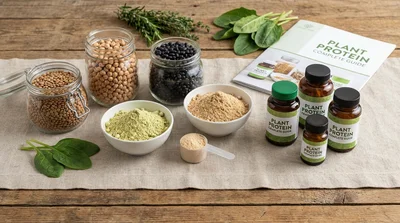
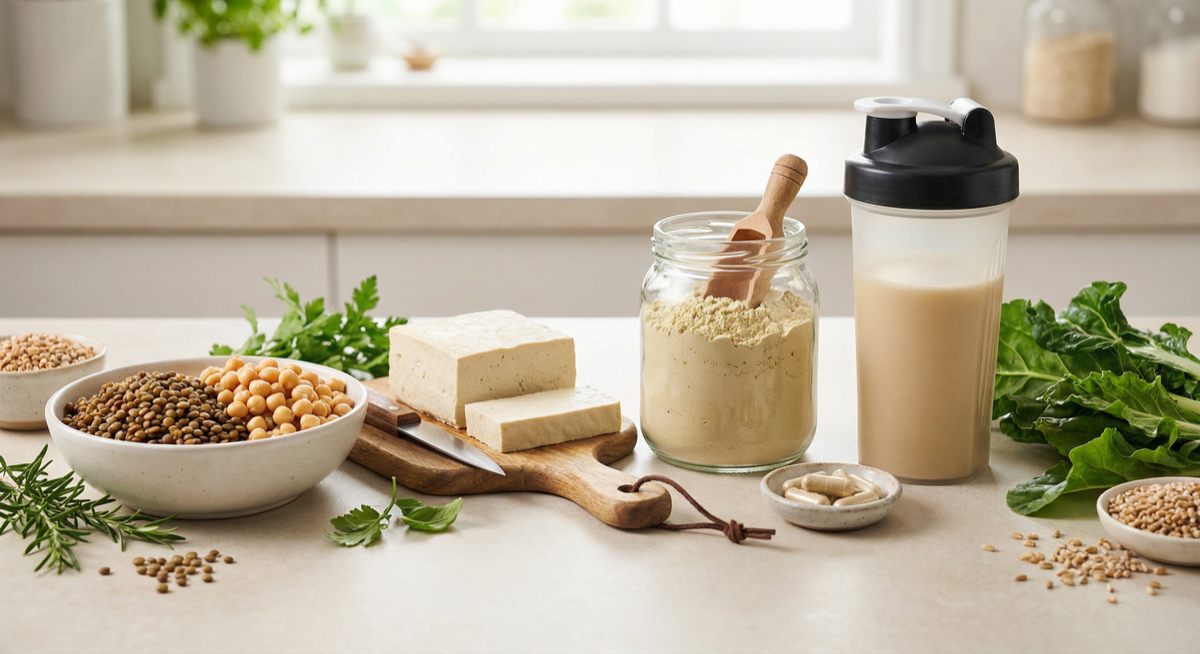
Legumes: Lentils, chickpeas, black beans, and peas are rich in protein and fibre. Soy: Tofu, tempeh, edamame, and soy milk provide high-quality protein. Grains: Quinoa is a complete protein; others like oats and rice contribute when paired with legumes. Nuts and seeds: Almonds, peanuts, pumpkin seeds, and hemp seeds add protein and healthy fats. Seitan: Made from wheat gluten, it is high in protein and versatile in cooking.
Plant-Based Protein Supplements
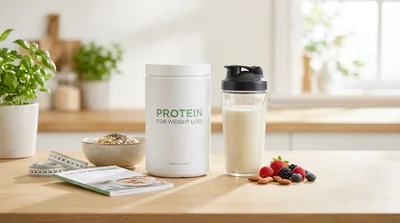
Pea protein, rice protein, hemp protein, and blends (e.g., pea and rice) are popular. They help meet daily targets when whole-food intake is low or when convenience is needed post-workout. Look for products with a complete amino acid profile or use a blend. Some are fortified with B12 and other nutrients relevant to plant-based diets.
How Much Do You Need?
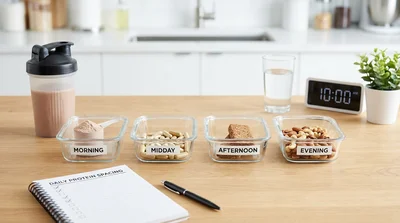
Recommendations are similar to omnivorous diets: about 1.2–2.0 g per kg body weight for active adults, depending on goals. Slightly higher intakes are sometimes suggested for plant-based athletes because of differences in digestibility and amino acid profiles. Spread intake across meals and include a variety of sources.
Leucine and Muscle Protein Synthesis
Leucine is the key amino acid that triggers muscle protein synthesis. Animal and soy sources are naturally rich in leucine. For plant-based athletes, slightly larger servings of legumes or soy, or a blended plant powder with adequate leucine per serving (e.g., 20–25 g protein with 2–3 g leucine), can support recovery and adaptation as effectively as whey when total daily protein is sufficient.
Practical Tips
- Vary your sources: Combine legumes, grains, soy, nuts, and seeds across the day.
- Leucine: Soy, legumes, and some supplements provide this key amino acid for muscle protein synthesis.
- Supplement when useful: Powders can help after training or when meals are low in protein.
- B12 and other nutrients: Consider fortified foods or a B12 supplement on a fully plant-based diet.
A well-planned plant-based diet can fully support protein needs for fitness and health. Focus on variety, total daily intake, and leucine-rich options when building or maintaining muscle.
Summary
Plant-based protein is viable for athletes and active adults. Eat a variety of legumes, soy, grains, nuts, and seeds; aim for 1.2–2.0 g/kg (or slightly more if very active); and use supplements when they help you hit your target. Pay attention to leucine if muscle building or recovery is a priority.
Evidence and Practical Tips
Research on supplements has grown over the past decades. Most studies focus on specific extracts, doses, and populations, so results are not always generalisable. Quality matters: choose products from reputable brands that disclose the plant or ingredient, standardisation where applicable, and dose per serving. Third-party testing (e.g. USP, NSF, ConsumerLab) when available adds assurance. Start with the lowest effective dose on the label and give any new supplement at least four to six weeks of consistent use before judging effect. Many factors influence how well a supplement works: your baseline status, diet, sleep, other medications, and lifestyle. Keeping a simple log of what you take and how you feel can help you and your provider decide whether to continue or adjust.
Supplements are not a substitute for a varied diet, adequate sleep, and regular physical activity. If you are pregnant, breastfeeding, or have a chronic condition, talk to your doctor before starting any new supplement. Children and older adults may need different doses; professional guidance ensures safety and appropriateness. Do not use supplements to replace diagnosis or treatment for medical or mental health conditions. When in doubt, a short conversation with a doctor, dietitian, or qualified herbalist can clarify whether a supplement is right for you and how to use it safely. Store supplements in a cool, dry place away from direct sunlight and keep them out of reach of children. Check the expiry date and discard any product that has changed in colour, smell, or texture.
Individual response to supplements varies. Some people notice benefits within a few weeks; others need longer or may not notice a clear effect. Genetics, diet, stress, and medication use all play a role. If you take multiple supplements, be aware of possible interactions and avoid exceeding upper limits for vitamins and minerals. Reading labels and staying within recommended doses is essential. When combining herbs or new ingredients, introduce one at a time so you can identify any adverse reactions. A balanced approach—sleep, nutrition, movement, and stress management—remains the foundation; supplements can support but not replace these habits.
In summary, informed choices about supplements support your health goals when combined with lifestyle and professional advice. Give new supplements time to show effect; consistency and patience often matter more than quick fixes. Your healthcare provider can help you tailor intake to your individual needs and avoid interactions with medications or other supplements.