Why Vitamin A Matters
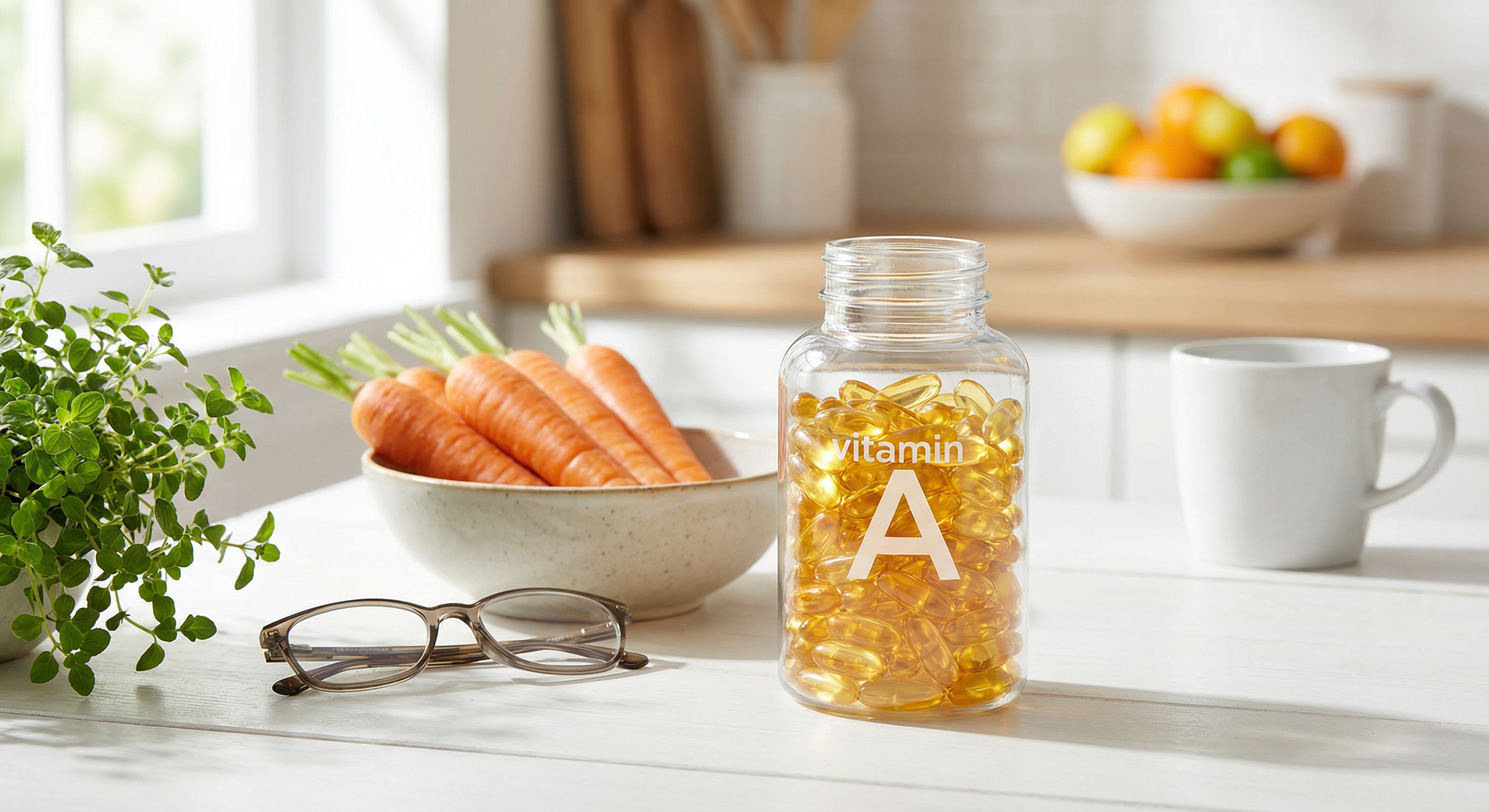
Vitamin A supports vision (especially night vision and adaptation to dark), immune function, skin integrity, reproduction, and gene regulation. It comes in two main forms: preformed vitamin A (retinol, retinyl esters) from animal sources (liver, fish, eggs, dairy) and provitamin A (beta-carotene and other carotenoids) from orange and green plants (carrots, sweet potato, spinach, kale). Your body converts beta-carotene to retinol as needed; absorption and conversion vary. Deficiency can cause night blindness, dry skin, increased infection risk, and in severe cases growth and developmental issues. As a registered dietitian or CNS, I emphasise getting vitamin A primarily from food and using supplements only when intake is low or when advised—excess preformed vitamin A can be toxic.
Vision and Immune Health
In the eye, vitamin A is essential for rhodopsin, a protein that enables vision in low light; deficiency leads to night blindness and, if severe, to xerophthalmia. Adequate vitamin A also supports mucous membranes and immune cells, helping defend against infections. Populations at risk of deficiency include those with limited access to animal foods and colourful vegetables, people with malabsorption, and some pregnant or breastfeeding women in resource-poor settings. In well-nourished populations, deficiency is less common; the focus is on balance and avoiding excess preformed vitamin A from supplements or liver.
Food Sources and Recommendations
Preformed vitamin A: Liver (very high—consume in moderation), fish liver oils, eggs, dairy products, fortified foods. Provitamin A: Carrots, sweet potato, pumpkin, spinach, kale, broccoli, red pepper, mango, cantaloupe. Recommended daily allowances (RDAs) are expressed in mcg RAE (retinol activity equivalents): about 900 mcg RAE for adult men and 700 mcg RAE for adult women; pregnancy and lactation increase needs. Upper limit (UL) for preformed vitamin A is 3,000 mcg RAE per day for adults to avoid toxicity; beta-carotene from food does not carry the same toxicity risk, though very high supplemental beta-carotene may have other concerns in smokers.
When to Supplement
Supplement when diet is consistently low in vitamin A–rich foods, when deficiency is confirmed, or when a healthcare provider recommends it (e.g. in certain deficiencies or in pregnancy in at-risk populations). Multivitamins often contain vitamin A as retinol or beta-carotene; check the amount and form. Avoid doubling up multiple supplements that each contain high-dose preformed vitamin A. Pregnant women should not take high-dose retinol (e.g. from cod-liver oil or A-only supplements) without medical guidance—excess can be teratogenic. Children and older adults should follow age-appropriate intakes and limits.
Safety: Avoiding Excess
Chronic excess preformed vitamin A can cause headache, bone pain, liver effects, and in pregnancy birth defects. Stick to the UL (3,000 mcg RAE/day for adults) from supplements and high-retinol foods combined. Beta-carotene from food is safe; high-dose beta-carotene supplements have been associated with increased lung cancer risk in smokers in some trials—smokers should avoid high-dose beta-carotene supplements. A balanced diet with a variety of colourful vegetables and modest amounts of animal sources of vitamin A usually meets needs without risk.
Takeaways
- Vitamin A supports vision, immunity, skin, and reproduction; comes as preformed (retinol) from animals or provitamin A (beta-carotene) from plants.
- Eat a variety of sources: liver in moderation, eggs, dairy, carrots, sweet potato, leafy greens. Deficiency is rare in well-nourished populations but can occur.
- Supplement only when needed; avoid excess preformed vitamin A (UL 3,000 mcg RAE/day). Pregnant women: no high-dose retinol without medical advice.
- Beta-carotene from food is safe; high-dose beta-carotene supplements are not recommended for smokers.
Evidence and Practical Tips
Research on supplements has grown; quality matters: choose reputable brands and follow dosing. Give new supplements several weeks before judging effect. Supplements do not replace diet, sleep, or medical care. Consult a provider if you take medications or have health conditions. Compare options at iHerb and store in a cool, dry place; check expiry dates. Individual response varies; consistency and lifestyle remain the foundation.
Evidence and Practical Tips
Research on supplements has grown; quality matters: choose reputable brands and follow dosing. Give new supplements several weeks before judging effect. Supplements do not replace diet, sleep, or medical care. Consult a provider if you take medications or have health conditions. Compare options at iHerb and store in a cool, dry place; check expiry dates. Individual response varies; consistency and lifestyle remain the foundation.
Evidence and Practical Tips
Research on supplements has grown; quality matters: choose reputable brands and follow dosing. Give new supplements several weeks before judging effect. Supplements do not replace diet, sleep, or medical care. Consult a provider if you take medications or have health conditions. Compare options at iHerb and store in a cool, dry place; check expiry dates. Individual response varies; consistency and lifestyle remain the foundation.
Evidence and Practical Tips
Research on supplements has grown; quality matters: choose reputable brands and follow dosing. Give new supplements several weeks before judging effect. Supplements do not replace diet, sleep, or medical care. Consult a provider if you take medications or have health conditions. Compare options at iHerb and store in a cool, dry place; check expiry dates. Individual response varies; consistency and lifestyle remain the foundation.