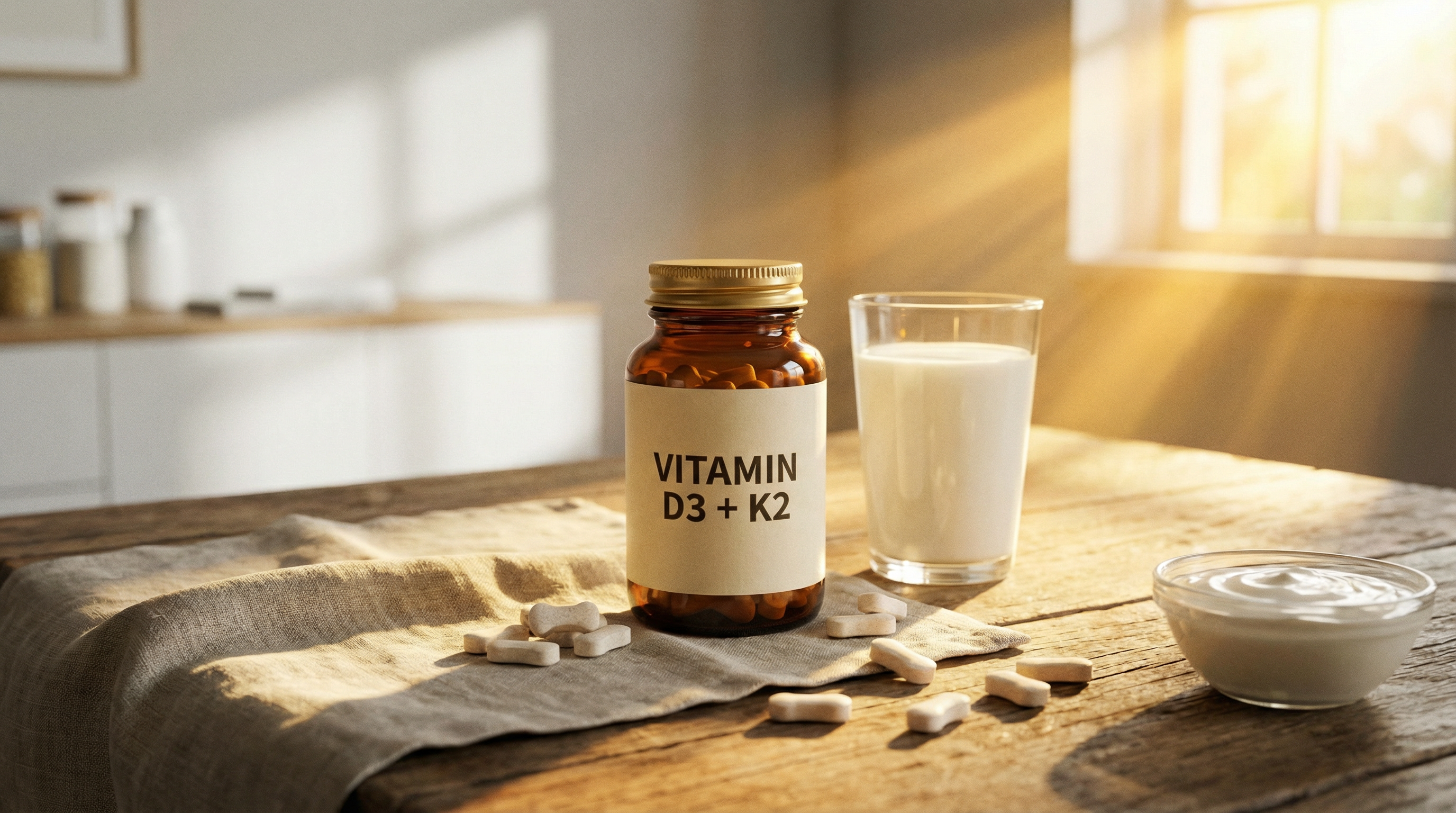
Why Vitamin D Matters for Bones
Vitamin D helps your body absorb calcium, which is essential for building and maintaining strong bones. Without enough vitamin D, bones can become thin, brittle, or misshapen. It also supports muscle function and immune health, making it a key nutrient for overall wellness. Vitamin D acts like a hormone in the body, regulating calcium and phosphate balance and influencing bone turnover. Deficiency is common in northern latitudes, in people who spend little time outdoors, and in older adults, so knowing your sources and when to test can make a real difference to long-term bone and general health.
Sources of Vitamin D
Sunlight
Your skin makes vitamin D when exposed to UVB sunlight. Factors like latitude, season, skin tone, and sunscreen use affect how much you produce. Many people do not get enough from sunlight alone, especially in winter or if they spend little time outdoors. In summer, short periods of exposure (e.g. arms and legs for 10–20 minutes, a few times a week) can be enough for fair skin; darker skin and older age reduce production. Balance sun exposure with skin cancer prevention by avoiding prolonged unprotected exposure.
Food and Supplements
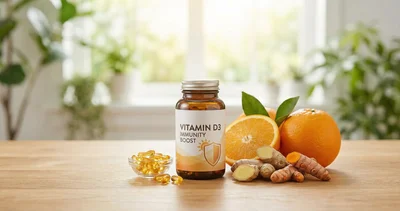
Few foods are naturally rich in vitamin D. Fatty fish, egg yolks, and fortified milk or cereals provide some. For most adults, a vitamin D supplement (often D3) is a practical way to meet needs. The recommended dietary allowance for adults is 600–800 IU daily, with higher amounts sometimes recommended by doctors for deficiency or specific conditions. Vitamin D3 (cholecalciferol) is the form most commonly used in supplements and is well absorbed when taken with a meal containing fat.
Who Is at Risk of Deficiency?
Older adults, people with dark skin, those who stay indoors or live in northern climates, and individuals with certain digestive or kidney conditions may be at higher risk. A simple blood test can check your vitamin D level. If you have fatigue, bone pain, or a history of fractures, or if you fall into a high-risk group, testing can guide whether and how much to supplement. Re-testing after a few months helps confirm that your intake is sufficient.
Bone Health and Beyond
- Bone density: Adequate vitamin D supports calcium absorption and may help reduce fracture risk when combined with enough calcium and weight-bearing exercise.
- Muscle strength: Vitamin D is involved in muscle function; deficiency has been linked to weakness and falls in older adults.
- Immunity: Vitamin D receptors are present in immune cells; sufficient levels may support a healthy immune response.
- Mood and energy: Some people with low vitamin D report improved mood or energy after correction; evidence is still evolving.
Getting enough vitamin D through sun, food, or supplements is one of the best steps you can take for long-term bone and overall health. Have your level checked if you are at risk, and adjust intake based on results and your doctor''s advice.
Evidence and Practical Tips
Research on vitamins and immunity has grown; quality matters: choose reputable brands and follow evidence-based dosing. Give new supplements several weeks before judging effect. Supplements do not replace diet, sleep, or medical care. Consult a provider if you take medications or have health conditions. Compare vitamins and immune support at iHerb; store in a cool, dry place; check expiry dates. Individual response varies; consistency and lifestyle remain the foundation.
Evidence and Practical Tips
Research on vitamins and immunity has grown; quality matters: choose reputable brands and follow evidence-based dosing. Give new supplements several weeks before judging effect. Supplements do not replace diet, sleep, or medical care. Consult a provider if you take medications or have health conditions. Compare vitamins and immune support at iHerb; store in a cool, dry place; check expiry dates. Individual response varies; consistency and lifestyle remain the foundation.
Evidence and Practical Tips
Research on vitamins and immunity has grown; quality matters: choose reputable brands and follow evidence-based dosing. Give new supplements several weeks before judging effect. Supplements do not replace diet, sleep, or medical care. Consult a provider if you take medications or have health conditions. Compare vitamins and immune support at iHerb; store in a cool, dry place; check expiry dates. Individual response varies; consistency and lifestyle remain the foundation.
Evidence and Practical Tips
Research on vitamins and immunity has grown; quality matters: choose reputable brands and follow evidence-based dosing. Give new supplements several weeks before judging effect. Supplements do not replace diet, sleep, or medical care. Consult a provider if you take medications or have health conditions. Compare vitamins and immune support at iHerb; store in a cool, dry place; check expiry dates. Individual response varies; consistency and lifestyle remain the foundation.
Evidence and Practical Tips
Research on vitamins and immunity has grown; quality matters: choose reputable brands and follow evidence-based dosing. Give new supplements several weeks before judging effect. Supplements do not replace diet, sleep, or medical care. Consult a provider if you take medications or have health conditions. Compare vitamins and immune support at iHerb; store in a cool, dry place; check expiry dates. Individual response varies; consistency and lifestyle remain the foundation.