Vitamin E as an Antioxidant: What It Does
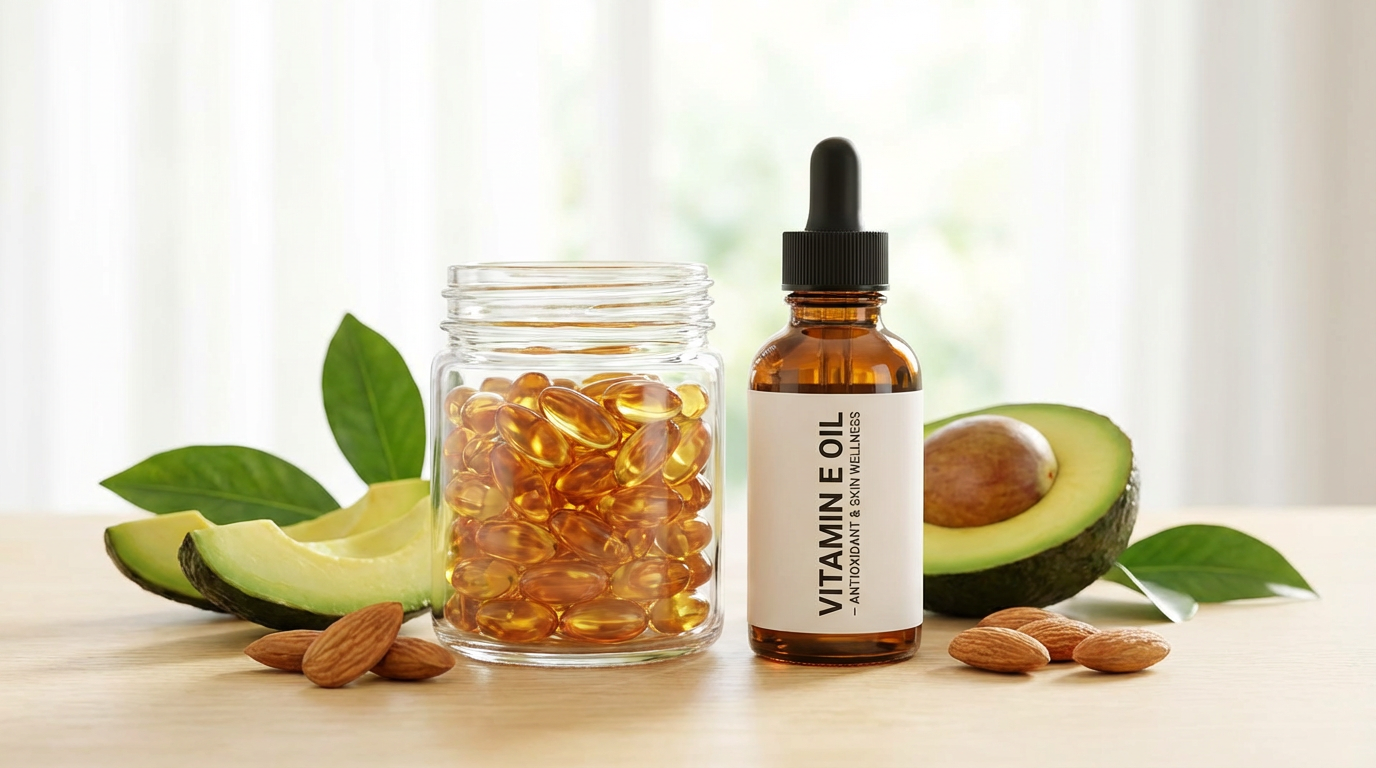
Vitamin E is a fat-soluble antioxidant that helps protect cells from oxidative stress. It is found in nuts, seeds, vegetable oils, and green leafy vegetables. Many people get enough from diet; supplementation may benefit those with limited intake or increased needs (e.g. some malabsorption conditions).
As a nutritionist, I recommend food first: almonds, sunflower seeds, spinach, and fortified cereals. If you supplement, choose natural (d-alpha-tocopherol) or mixed tocopherols and do not exceed upper limits. Compare vitamin E and vitamins from trusted brands.
Forms and Dosing
Vitamin E exists in several forms; alpha-tocopherol is the most active in the body. Typical supplemental doses are 100–400 IU daily. High doses can thin blood and interact with medications; discuss with your doctor if you take anticoagulants or have bleeding disorders.
Who May Benefit?
People with fat malabsorption, very low-fat diets, or certain genetic conditions may need more. For most adults, a balanced diet provides sufficient vitamin E. Vitamin E on iHerb offers various forms. Use supplements to fill gaps, not replace a healthy diet.
Evidence and Practical Tips
Research on vitamins and supplements has grown over the past decades. Most studies focus on specific nutrients, doses, and populations, so results are not always generalisable. Quality matters: choose products from reputable brands that disclose ingredients, standardisation where applicable, and dose per serving. Third-party testing (e.g. USP, NSF, ConsumerLab) when available adds assurance. Start with the lowest effective dose on the label and give any new supplement at least four to six weeks of consistent use before judging effect. Many factors influence how well a supplement works: your baseline status, diet, sun exposure, other medications, and lifestyle. Keeping a simple log of what you take and how you feel can help you and your provider decide whether to continue or adjust. Supplements are not a substitute for a varied diet, adequate sleep, and regular physical activity. If you are pregnant, breastfeeding, or have a chronic condition, talk to your doctor before starting any new supplement. Children and older adults may need different doses; professional guidance ensures safety and appropriateness. Do not use supplements to replace diagnosis or treatment for medical conditions. When in doubt, a short conversation with a doctor or dietitian can clarify whether a supplement is right for you and how to use it safely. Store supplements in a cool, dry place away from direct sunlight and keep them out of reach of children. Check the expiry date and discard any product that has changed in colour, smell, or texture. Individual response varies; consistency and lifestyle remain the foundation.
Evidence and Practical Tips
Research on vitamins and supplements has grown over the past decades. Most studies focus on specific nutrients, doses, and populations, so results are not always generalisable. Quality matters: choose products from reputable brands that disclose ingredients, standardisation where applicable, and dose per serving. Third-party testing (e.g. USP, NSF, ConsumerLab) when available adds assurance. Start with the lowest effective dose on the label and give any new supplement at least four to six weeks of consistent use before judging effect. Many factors influence how well a supplement works: your baseline status, diet, sun exposure, other medications, and lifestyle. Keeping a simple log of what you take and how you feel can help you and your provider decide whether to continue or adjust. Supplements are not a substitute for a varied diet, adequate sleep, and regular physical activity. If you are pregnant, breastfeeding, or have a chronic condition, talk to your doctor before starting any new supplement. Children and older adults may need different doses; professional guidance ensures safety and appropriateness. Do not use supplements to replace diagnosis or treatment for medical conditions. When in doubt, a short conversation with a doctor or dietitian can clarify whether a supplement is right for you and how to use it safely. Store supplements in a cool, dry place away from direct sunlight and keep them out of reach of children. Check the expiry date and discard any product that has changed in colour, smell, or texture. Individual response varies; consistency and lifestyle remain the foundation.