Overview
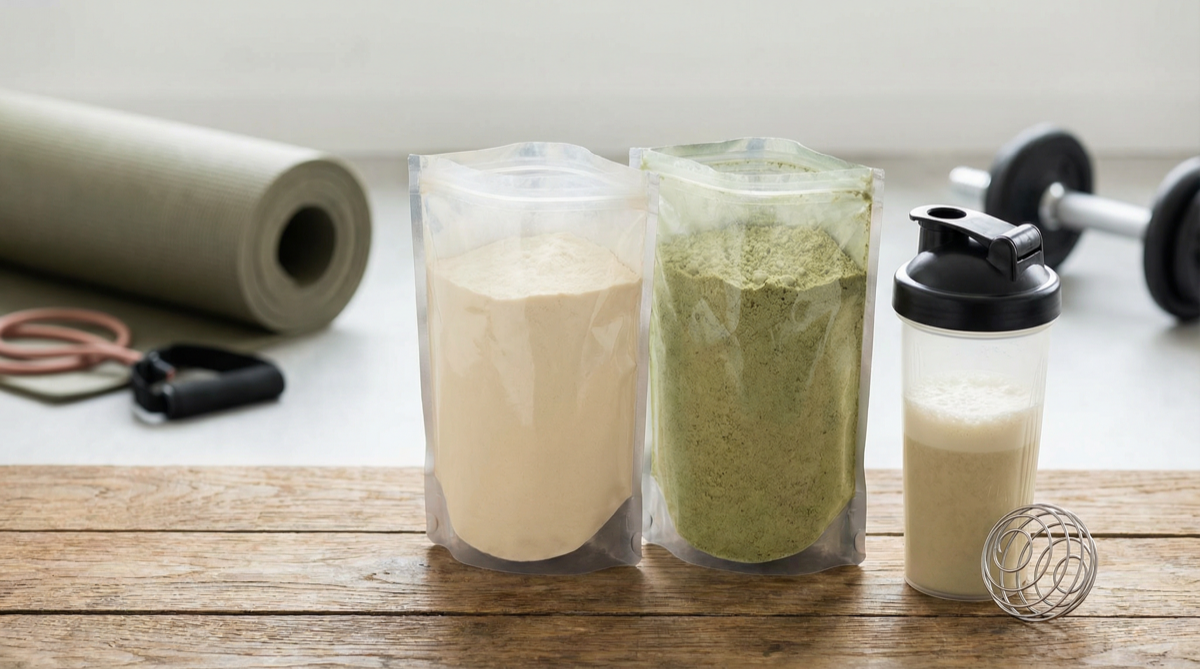
Whey and plant-based protein powders are two of the most popular supplement choices for supporting muscle recovery and meeting daily protein goals. Each has advantages depending on your diet, tolerance, and preferences. Comparing them helps you choose the right option for your lifestyle.
Whey Protein
Whey is a dairy-derived protein that is quickly absorbed and rich in essential amino acids, including leucine, which is important for stimulating muscle protein synthesis. It is available as concentrate (with some fat and lactose), isolate (higher protein, lower lactose), and hydrolysate (partially pre-digested). Whey is effective for post-workout recovery and is well researched. It is not suitable for people with dairy allergy or those avoiding animal products. Browse whey protein on iHerb.
Plant Protein Options
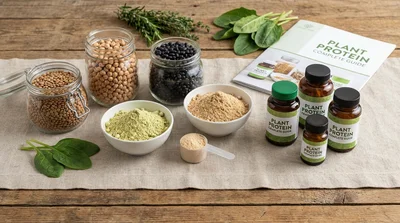
Pea, rice, hemp, and soy are common plant-based proteins. Blends (e.g., pea and rice) can provide a more complete amino acid profile similar to whey. Soy protein is a complete protein and has a long history of use in sports nutrition. Plant powders are suitable for vegans and anyone with dairy intolerance. Digestibility and taste vary by product; trying a few brands can help you find one you like. Compare plant protein on iHerb.
Comparing Effectiveness
When total protein intake and leucine content are matched, plant-based options can support muscle protein synthesis similarly to whey in many studies. The key is getting enough high-quality protein and leucine per serving. For plant powders, aim for at least 20–25 g protein per serving and check that the product delivers sufficient leucine (or use a blend that does).
Choosing Based on Diet and Tolerance
Choose whey if you tolerate dairy and want a fast-absorbing, well-studied option. Choose plant protein if you are vegan, lactose intolerant, or prefer to avoid dairy. Taste, mixability, and cost also matter; many plant options now match whey on convenience and flavour.
Dosage and Timing
For muscle recovery and growth, 20–40 g of protein per serving is a common target, whether from whey or plant. Post-workout timing is flexible: within 1–2 hours after training is a practical window. Total daily protein (e.g., 1.6–2.2 g per kg body weight for active adults) matters more than the type of powder or exact timing.
Takeaways
- Whey is fast-absorbing and rich in leucine; ideal for dairy-tolerant users.
- Plant protein suits vegans and the dairy-free; blends can match whey on amino acid profile.
- Dose matters: Aim for 20–25 g or more per serving with adequate leucine.
- Total daily protein and training remain more important than the type of powder.
Evidence and Practical Tips
Research on supplements and nutrition has grown over the past decades. Most studies focus on specific doses and populations, so results are not always generalisable. Quality matters: choose products from reputable brands that disclose ingredients and dose per serving. Third-party testing (e.g. USP, NSF, ConsumerLab) when available adds assurance. Start with the lowest effective dose and give any new supplement at least four to six weeks of consistent use before judging effect. Many factors influence how well a supplement works: your baseline status, diet, sleep, and lifestyle. Keeping a simple log of what you take and how you feel can help you and your provider decide whether to continue or adjust.
Supplements are not a substitute for a varied diet, adequate sleep, and regular physical activity. If you are pregnant, breastfeeding, or have a chronic condition, talk to your doctor before starting any new supplement. Do not use supplements to replace diagnosis or treatment. When in doubt, a short conversation with a doctor or dietitian can clarify whether a supplement is right for you and how to use it safely.