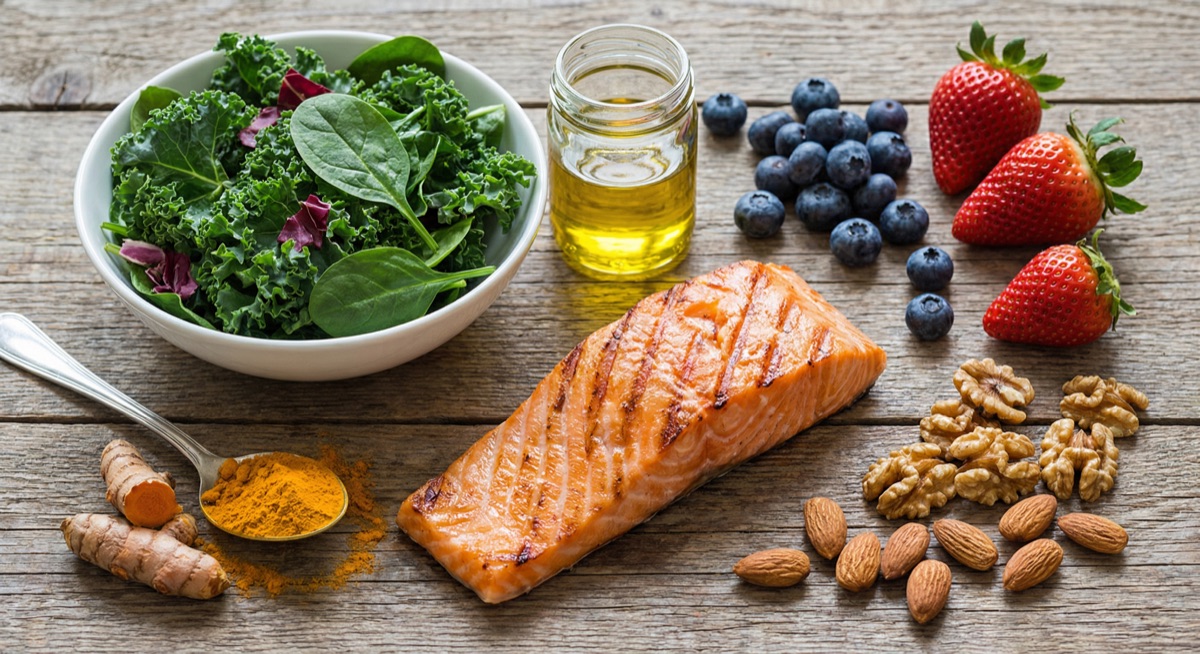
What Is an Anti-Inflammatory Diet?
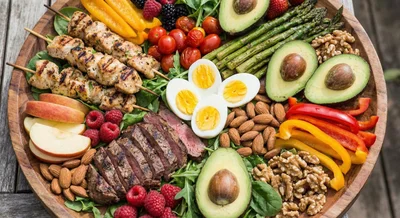
An anti-inflammatory eating pattern emphasizes whole foods that may help moderate chronic low-grade inflammation: vegetables, fruits, fatty fish, nuts, seeds, olive oil, and herbs and spices. It limits highly processed foods, excess sugar, and refined oils. Research links this way of eating to better markers of inflammation and cardiovascular and metabolic health. As a dietitian, I recommend it as a sustainable, evidence-based approach—food first, with targeted supplements only when needed.
Who Is It For?
This pattern suits most adults who want to prioritize whole foods and reduce processed items. It is not a cure for autoimmune or inflammatory disease but can complement medical care. People with conditions such as rheumatoid arthritis or metabolic syndrome may benefit from working with a dietitian to tailor the diet and any supplements to their needs.
How Supplements Can Support the Diet
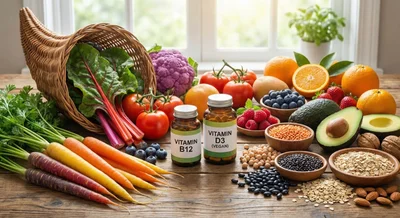
Food is the foundation. These supplements may add support when intake is low or needs are higher. You can compare options at omega-3 fish oil, vitamin D, and turmeric and curcumin.
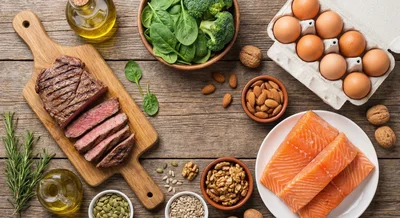
- Omega-3 (EPA/DHA): Strong evidence for supporting heart health and possibly inflammatory markers. Aim for food (fatty fish) first; if you eat fish less than twice per week, a quality fish oil or algae-based omega-3 can help. Take with a meal.
- Vitamin D: Many people are deficient; adequate vitamin D may support immune and inflammatory balance. Get a blood test and take with fat-containing food.
- Turmeric/curcumin: Some studies suggest benefit for joint comfort and inflammatory markers; effects vary. Choose a formulation with piperine (black pepper) or a branded form for better absorption. Use as support, not replacement for diet or medical care.
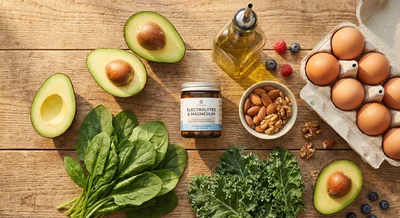
- Magnesium: Supports many body processes; intake is often low. Leafy greens, nuts, and seeds are good food sources; a supplement can fill gaps.
- Probiotics: Gut health is linked to inflammation; a probiotic may help some people. Strain and dose matter—consider evidence for your goal.
What to Avoid
Avoid megadose anti-inflammatory stacks and unproven claims. High-dose single nutrients can interact with medications or cause side effects. Stick to food-first and one or two well-chosen supplements with your doctor or dietitian's awareness.
Practical Tips
Build meals around vegetables, fruits, fatty fish, nuts, and olive oil. Use herbs and spices liberally. Recheck vitamin D periodically. Supplements support—they do not replace—a varied, anti-inflammatory eating pattern and appropriate medical care.
Why Inflammation Matters
Chronic low-grade inflammation is linked to many conditions: heart disease, type 2 diabetes, obesity, and some autoimmune and joint issues. Diet and lifestyle do not replace medical treatment, but they can support overall health and sometimes reduce markers of inflammation. An anti-inflammatory diet is not a single prescription; it is a pattern that emphasizes nutrient-dense foods and limits those that may promote inflammation in susceptible people.
Key Foods to Include
Prioritize a variety of vegetables (especially leafy greens and colorful produce), fruits, fatty fish (salmon, mackerel, sardines), nuts and seeds, olive oil, legumes, and whole grains in moderation. Herbs and spices—turmeric, ginger, garlic, oregano—add flavor and bioactive compounds. Fiber from plants supports gut health, which is increasingly linked to systemic inflammation. As a dietitian, I encourage clients to focus on what to include first; crowding in these foods often naturally displaces more processed choices.
Foods to Reduce or Limit
Limit highly processed foods, added sugars, refined grains, and excess omega-6 from some vegetable oils. Trans fats should be avoided. This does not mean never enjoying treats; it means the baseline diet should be built on whole foods. Individual tolerance varies; some people notice more benefit from reducing certain triggers (e.g., gluten, dairy) when there is a known sensitivity.
Omega-3: Evidence and Dosing
EPA and DHA from fatty fish or supplements have the strongest evidence for cardiovascular support and may help moderate inflammatory markers. Typical recommendations are 250–500 mg combined EPA/DHA daily for general health; higher doses are sometimes used under guidance. Algae-based omega-3 is an option for vegetarians and vegans. Quality matters: look for products that state purity and sustainability. Take with a fat-containing meal for better absorption.
Vitamin D: Testing and Supplementation
Many adults are deficient or insufficient in vitamin D, which plays a role in immune function and may support inflammatory balance. A blood test (25-hydroxyvitamin D) helps guide dosing. Maintenance doses often range from 1,000 to 2,000 IU daily, but needs vary by baseline level, body weight, and sun exposure. Take with food that contains fat. Recheck levels periodically, especially if you take higher doses.
Turmeric and Curcumin
Curcumin is the main bioactive in turmeric; absorption is limited without formulation improvements. Products with piperine or phospholipid or other enhanced-absorption forms may offer better bioavailability. Research on joint comfort and inflammatory markers is mixed but promising for some populations. Use as part of a broader diet and lifestyle approach, not as a standalone fix.
Antioxidants from Food and Supplements
Antioxidants from a varied diet (berries, vegetables, green tea, dark chocolate in moderation) support cellular health. High-dose antioxidant supplements are not consistently beneficial and can sometimes interfere with training adaptation or medication. Food-first antioxidant sources are preferred; if you choose a supplement, use one that fits your diet and discuss with your provider.
Gut Health and Inflammation
The gut microbiome influences immune and inflammatory responses. A fiber-rich diet, fermented foods, and possibly a targeted probiotic may support gut health. Probiotic effects are strain- and dose-dependent; choose products with evidence for your goal (e.g., digestive comfort, immune support) and give them time—weeks, not days—to assess effect.
Putting It Together: A Week of Meals
Plan meals around a base of vegetables and legumes, add fatty fish two or more times per week, use olive oil and nuts for fat, and include herbs and spices daily. Breakfast might be oats with nuts and berries; lunch a large salad with chickpeas and olive oil; dinner salmon with vegetables and quinoa. Snacks: vegetables with hummus, fruit, or a handful of nuts. This pattern is flexible and can be adapted to cultural preferences and allergies.
When to See a Dietitian or Doctor
If you have an inflammatory or autoimmune condition, unexplained symptoms, or take multiple medications, work with your doctor and consider a dietitian for personalized nutrition. Supplements can interact with drugs; blood tests can guide vitamin D and other nutrients. An anti-inflammatory diet is generally safe but should complement, not replace, medical care.
Meal Timing and Frequency
There is no single best meal pattern for everyone. Some people do well with three meals; others prefer smaller, more frequent meals. What matters most is consistency and the overall quality of food. Skipping meals and then overeating can worsen blood sugar swings and may affect inflammation in some people. As a dietitian, I suggest starting with regular meals built around the foods above and adjusting based on hunger, energy, and any medical advice.
Hydration and Beverages
Water is essential; herbal teas and green tea can add antioxidants without excess sugar. Limit sugar-sweetened drinks and large amounts of fruit juice. Coffee in moderation is fine for most people and may have anti-inflammatory properties. Alcohol in excess can promote inflammation; if you drink, do so in moderation and with food.
Reading Labels and Choosing Supplements
When buying supplements, look for third-party testing (e.g., NSF, USP, ConsumerLab) when possible. Check the dose per serving and the form (e.g., EPA/DHA content in fish oil). Avoid products that make dramatic cure-all claims. Start with one supplement at a time so you can notice effects and any side effects. Keep your healthcare provider informed, especially if you take prescription drugs.
Long-Term Sustainability
An anti-inflammatory diet works best when it is sustainable. Restrictive or fad approaches often backfire. Focus on adding nourishing foods, using herbs and spices for flavor, and finding recipes you enjoy. Small, steady changes—an extra serving of vegetables, fish twice a week, olive oil instead of butter where it fits—add up over time. Supplements are a support act; the main role is played by daily food choices and lifestyle.
Exercise and Sleep
Regular physical activity and adequate sleep support immune and inflammatory balance. Inactivity and poor sleep can raise inflammatory markers. You do not need intense training; consistent movement and seven to eight hours of sleep are a solid foundation. Combine diet with these habits for the best results.
Stress and Inflammation
Chronic stress can elevate cortisol and other markers that influence inflammation. Mindful eating, adequate sleep, and stress-reduction practices (e.g. walking, meditation, or hobbies) support the benefits of an anti-inflammatory diet. Supplements alone cannot offset high stress or poor sleep; address lifestyle factors alongside food and targeted supplements such as omega-3 or vitamin D when needed.
Seasonal and Budget-Friendly Choices
An anti-inflammatory diet does not require expensive or exotic ingredients. Frozen vegetables and fruits, canned fish (e.g. sardines, salmon), dried legumes, and seasonal produce are affordable and nutritious. Plan meals around what is available and in season; herbs and spices add variety and bioactive compounds without high cost. Building a sustainable pattern matters more than buying the trendiest superfoods.
Tracking Progress and Markers
If you work with a doctor or dietitian, they may order blood tests (e.g. CRP, blood sugar, lipids) to track how diet and lifestyle changes affect inflammation and metabolic health. These markers can take weeks or months to shift; consistency is key. Do not rely on supplements alone to normalize results—food, movement, sleep, and stress management form the foundation. Use turmeric or curcumin or other supplements only as complementary support when intake is low or your provider recommends them.
Family and Social Eating
Eating anti-inflammatory does not mean eating alone or refusing every invitation. You can choose vegetable-heavy dishes, ask for olive oil instead of heavy sauces, and add a side salad or extra vegetables. At home, involve the household in trying new recipes based on legumes, fish, and vegetables. Gradual shifts—one new recipe per week, or swapping one processed snack for nuts or fruit—make the pattern easier to sustain and share.
Recap: Building Your Plate
At each meal, aim for half the plate as vegetables or fruit, a quarter as quality protein (fish, legumes, or lean meat), and a quarter as whole grains or starchy vegetables. Add healthy fats from olive oil, nuts, or avocado. Use herbs and spices for flavor. This template works for breakfast (e.g. eggs with spinach and tomatoes), lunch (large salad with chickpeas and olive oil), and dinner (salmon with roasted vegetables and quinoa). Adjust portions and foods to your appetite, culture, and any allergies or medical advice. Over time, these choices support lower inflammation and better long-term health when combined with good sleep, regular movement, and stress management.
Common Questions
Can I eat nightshades? For most people, tomatoes, peppers, and eggplant are fine and are part of a varied diet. If you have a known sensitivity, work with your provider.
Is gluten off the table? No. Unless you have celiac disease or a confirmed sensitivity, whole grains can be included. Focus on overall pattern, not single foods.
How long until I see results? Diet and supplement effects on inflammation markers can take weeks to months. Consistency matters more than short-term perfection.
An anti-inflammatory diet is one of the most evidence-based nutrition approaches for long-term health. Start with food: more vegetables, fruits, fatty fish, nuts, olive oil, and herbs. Add omega-3 or vitamin D if your intake is low or your provider recommends it. Consider turmeric or curcumin for joint support if it fits your plan. Work with a dietitian or doctor to personalize the approach and keep supplements safe alongside any medications. Small, consistent steps lead to lasting results.
Summary
- An anti-inflammatory diet emphasizes whole foods: vegetables, fruits, fatty fish, nuts, seeds, olive oil, herbs and spices.
- Omega-3, vitamin D, and turmeric/curcumin are the most evidence-based supplements to consider when food intake is low or needs are higher.
- Food first; supplements support. Avoid megadose stacks and unproven claims.
- Work with a dietitian or doctor to tailor the plan and any supplements to your health and medications.
Consult your doctor or dietitian before starting any new supplement or major diet change. Track what you eat and how you feel so you can adjust the plan over time. Consistency with an anti-inflammatory eating pattern typically yields better long-term results than short-term extremes.