Why This Topic Matters
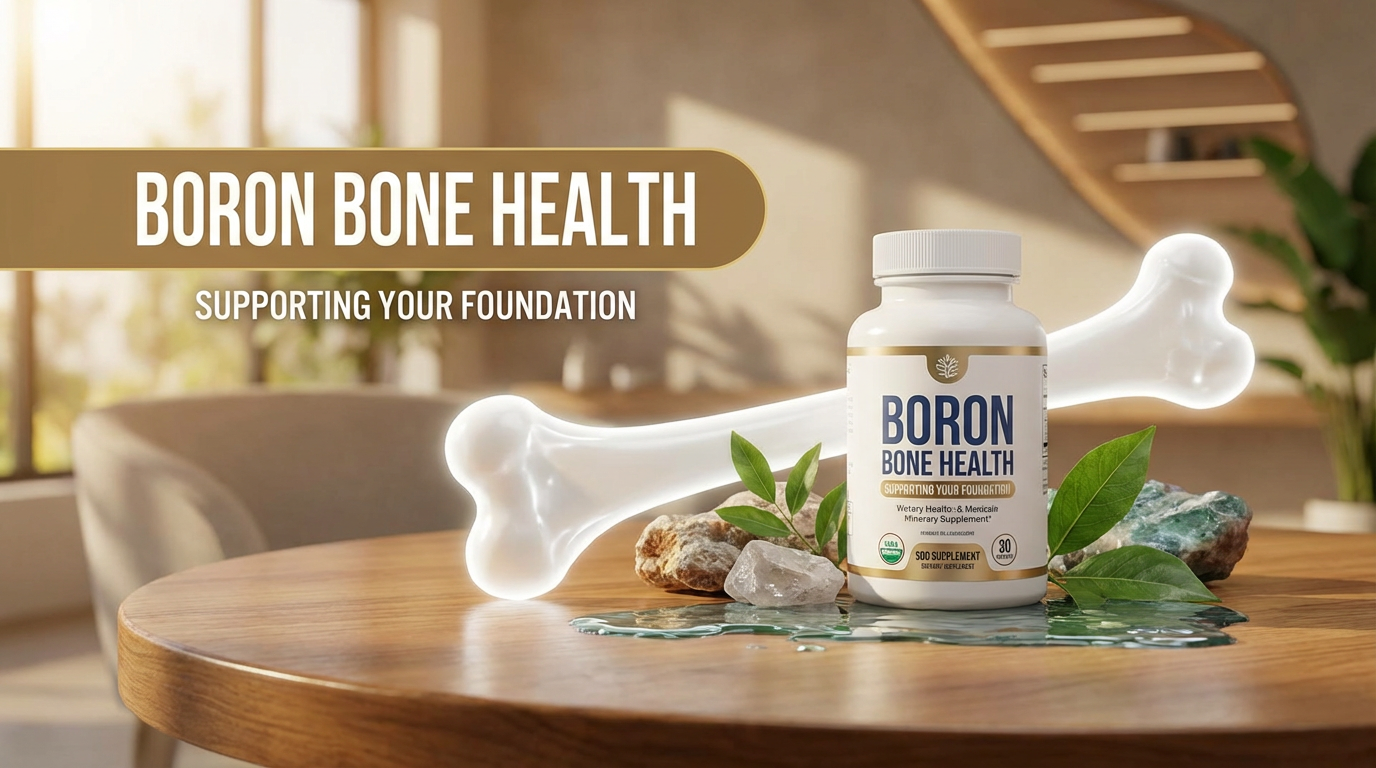
Boron is a trace mineral that receives growing attention for bone health, joint comfort, and mineral metabolism. As a sports medicine perspective: many active adults and athletes care about long-term skeletal health and injury resilience. Understanding the evidence and how to apply it in practice helps you make better choices about diet and supplementation. Research in this area has grown; we summarize what is well supported and what remains uncertain so you can tailor your approach.
What the Evidence Shows
Boron appears to influence how the body uses calcium, magnesium, and vitamin D—all central to bone turnover and bone mineral density. Some trials in postmenopausal women have found that boron supplementation was associated with improved calcium retention and higher circulating vitamin D; other work suggests benefits for bone density markers. Evidence is promising but not as extensive as for calcium and vitamin D alone; boron is best viewed as part of a broader bone-health strategy that includes weight-bearing exercise and adequate nutrition. Quality studies point to several consistent findings: boron may support bone metabolism and, in some populations, joint comfort. We focus on practical takeaways: dosing, timing, form, and how to combine boron with habits like sleep, nutrition, and training load.
Boron and Bone Metabolism
Bone is living tissue that constantly remodels. Osteoblasts build bone; osteoclasts resorb it. Minerals such as calcium and phosphorus, and hormones such as vitamin D and parathyroid hormone, regulate this balance. Boron seems to play a supportive role in mineral metabolism and possibly in the metabolism of vitamin D and estrogen. In regions where dietary boron intake is low, supplementation has been associated in some studies with improved calcium retention and higher serum 25-hydroxyvitamin D. This does not replace the need for sufficient dietary calcium and vitamin D or for weight-bearing and resistance exercise; rather, boron may add support when intake from diet is low or when you want to optimize mineral status. For athletes and active adults, maintaining bone density and reducing stress fracture risk is often a goal; a comprehensive approach—nutrition, loading, and targeted supplementation—is the standard.
Food Sources and Typical Intake
Boron is found in many plant foods: avocados, nuts (almonds, hazelnuts), legumes, dried fruits (raisins, prunes), broccoli, apples, and others. Dietary intake typically ranges from about 1 to 3 mg per day depending on region and diet; some populations get less. There is no established RDA; adequate intake for adults is often estimated at 1–3 mg daily. If your diet is low in these foods, or you are in a life stage or activity level where bone support is a priority, a modest supplemental dose may help fill the gap. Boron supplements and bone formulas are available; many bone and joint products include boron as part of a multi-ingredient formula. Choose products from reputable brands and do not exceed recommended amounts.
Dosage, Timing, and Safety
Most interventions have an effective range. Too little may do nothing; too much can cause side effects or diminishing returns. Supplemental boron is commonly sold in doses of 3 mg to 10 mg per day. Boron is generally well tolerated at typical supplemental doses (e.g. 3–6 mg daily). Very high intakes can be toxic; upper limits have been suggested around 20 mg per day for adults. Follow evidence-based dosing from guidelines or quality studies. Consistency usually matters more than a single large dose. If you take other supplements or medications, check for interactions. Boron may interact with certain medications or affect hormone-sensitive conditions; if you are pregnant, breastfeeding, or have a medical condition, consult a provider before starting boron. For most adults, a modest dose as part of a comprehensive bone-health plan—when approved by your doctor—is a reasonable approach.
Combining Boron with Exercise and Nutrition
Bone health in active individuals depends heavily on mechanical loading and nutrition. Weight-bearing and resistance exercise stimulate bone remodeling; adequate calcium, vitamin D, and protein support bone matrix and muscle. Boron fits in as a potential supporter of mineral metabolism, not a replacement for these fundamentals. Prioritize sleep, nutrition, and stress management; add targeted support as needed. If you are at risk of deficiency (e.g. limited variety of fruits, nuts, and legumes) or have higher needs (e.g. postmenopausal women, athletes in heavy training), discuss boron and other bone-support supplements with your doctor or dietitian. Be consistent; track and adjust based on your experience and any follow-up bone density or lab tests.
When to Get Professional Advice
When in doubt or with health conditions (osteoporosis, kidney disease, hormone-sensitive conditions, pregnancy), seek professional advice. Boron is not a treatment for osteoporosis or fractures; those require medical diagnosis and often prescription therapy. Use boron as part of a broader, evidence-based approach to bone and joint health.
What the Research Actually Shows
Human trials on boron and bone have often used 3–10 mg/day and measured calcium balance, vitamin D status, or bone turnover markers. Results are mixed: some studies in postmenopausal women show improved retention of calcium and higher 25-hydroxyvitamin D with boron supplementation; others show little or no effect. Differences may be due to baseline boron intake, vitamin D status, and population. Boron is best viewed as a potential adjunct when dietary intake is low or when you want to optimize mineral status alongside adequate calcium, vitamin D, and exercise. For joint comfort, evidence is even more limited; some people report benefit anecdotally, but large controlled trials are lacking. The takeaway: boron may have a role in mineral metabolism in some people, but it is not a replacement for the fundamentals—nutrition, loading, and medical care when needed.
Practical Protocol: How to Use Boron Safely
If you and your provider agree that boron is worth trying, use a simple protocol. Start with 3 mg daily (or the lowest dose on your product) for 2–4 weeks. Take it with a meal to reduce any GI upset. Do not change other supplements or diet dramatically at the same time so you can notice any effect. If you tolerate it and choose to continue, you can stay at 3–6 mg daily; avoid going above 10 mg unless under supervision. Recheck any relevant labs (e.g. vitamin D, bone turnover markers if that was your goal) after 8–12 weeks to see trends. If you notice no benefit or any side effects, stop and reassess. Boron supplements and bone formulas on iHerb offer a range of options; choose a reputable brand and stick to the label dose.
Who Might Benefit Most
People most likely to benefit from boron supplementation include those with low dietary boron intake (few nuts, legumes, or fruits), postmenopausal women focused on bone health when diet and sun exposure are insufficient, and athletes or active adults who want to cover all bases for mineral metabolism alongside calcium, vitamin D, and protein. Boron does not replace calcium, vitamin D, protein, or exercise; it may add a small edge when the rest of the plan is in place. If you have osteoporosis or a history of fracture, work with your doctor on medication and lifestyle first; boron can be discussed as a possible add-on, not a substitute.
Boron and Joint Comfort: What We Know
Some people take boron for joint comfort or stiffness, often in combination with other supplements. Evidence for boron specifically improving joint symptoms is weaker than for bone; most human trials have focused on bone markers or mineral metabolism rather than joint pain or function. Anecdotally, some users report benefit; this may be due to boron, to other ingredients in multi-supplement regimens, or to placebo and lifestyle changes. If you try boron for joint support, use the same safe protocol (3–6 mg/day, with meals) and give it several weeks alongside movement and weight management. If there is no improvement, consider other evidence-based options (e.g. glucosamine, omega-3s, or physiotherapy) with your provider. Do not rely on boron alone for significant joint pathology; medical diagnosis and treatment are needed when pain or stiffness is severe or progressive.
Quick Reference: Boron at a Glance
Typical dietary intake: about 1–3 mg/day from plant foods (avocados, nuts, legumes, dried fruits, vegetables). Supplemental range: 3–6 mg/day is common; do not exceed 10 mg/day unless under supervision. Upper limit: around 20 mg/day for adults has been suggested; higher intakes can be toxic. Best combined with: adequate calcium, vitamin D, protein, and weight-bearing or resistance exercise. When to avoid or caution: pregnancy, breastfeeding, kidney disease, hormone-sensitive conditions, or certain medications—discuss with your provider. Product choice: look for a reputable brand; boron supplements and bone formulas on iHerb can be compared for dose and value. Reassess after 8–12 weeks and periodically with your doctor.
Putting It All Together: A Practical Bone-Health Stack
If you are building a bone-health regimen, start with the foundations: enough calories and protein for your age and activity, calcium from food and supplements to reach about 1,200 mg/day total (or as your provider recommends), and vitamin D to achieve and maintain a healthy blood level (often 800–2,000 IU daily depending on baseline). Add weight-bearing and resistance exercise at least a few times per week. Only then consider adding boron if your diet is low in boron-rich foods or you want to optimize mineral metabolism. A typical stack might be: a calcium plus vitamin D supplement (or separate supplements), a balanced diet with plenty of vegetables and protein, and 3 mg boron daily with a meal. Do not add multiple bone formulas without checking total calcium, vitamin D, and boron to avoid exceeding safe levels. If you have osteoporosis or are on prescription bone medication, your doctor may recommend a specific supplement plan; follow that first and discuss boron as an optional add-on. Tracking your intake in a simple log for a few weeks can help you and your provider confirm you are in a safe and effective range. In summary: boron is a trace mineral that may support bone and mineral metabolism when dietary intake is low; it is not a substitute for calcium, vitamin D, protein, or exercise. Use 3–6 mg/day as a possible add-on after the fundamentals are in place, and reassess with your doctor periodically. Boron is widely available in plant-based foods; if you eat a varied diet with plenty of nuts, legumes, and fruits, you may already be in the 1–3 mg/day range. Supplementation is most relevant when intake is low or when you and your provider want to target mineral metabolism as part of a broader bone-health plan. Final takeaway: there is no need to supplement with boron if your diet already includes plenty of boron-rich foods and your bone-health fundamentals (calcium, vitamin D, exercise, protein) are in place; when in doubt, a blood test for vitamin D and a discussion with your doctor can guide whether boron or other supplements are worth adding. Stick to one source of boron when supplementing to avoid accidentally exceeding the upper limit.
FAQ
How long until I see an effect?
For bone-related outcomes, changes in markers or density take months; consistency and overall lifestyle matter more than any single supplement. Do not expect immediate results.
Can I take boron with other minerals?
Yes. Many bone formulas contain calcium, magnesium, vitamin D, and sometimes boron. Avoid doubling up so your total boron does not exceed safe levels (e.g. stay under 10 mg/day unless advised otherwise).
Is boron safe during pregnancy?
Evidence is limited; high doses can be toxic. Pregnant or breastfeeding women should discuss boron with their provider before starting; many will get adequate intake from a varied diet.
Summary
- Boron may support bone health by influencing calcium, magnesium, and vitamin D metabolism; evidence is promising but not as extensive as for calcium and vitamin D.
- Food sources include avocados, nuts, legumes, dried fruits, and vegetables; typical intake is about 1–3 mg/day. Supplements often provide 3–6 mg/day.
- Use evidence-based dosing and timing; individual response varies. Do not exceed recommended amounts; very high doses can be toxic.
- Prioritize weight-bearing exercise, adequate calcium and vitamin D, and protein; add boron as targeted support when appropriate and approved by your provider.
- When in doubt or with health conditions, seek professional advice.