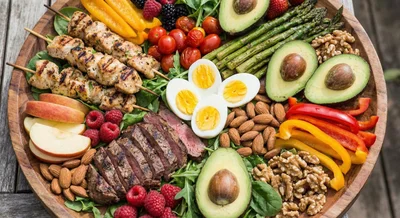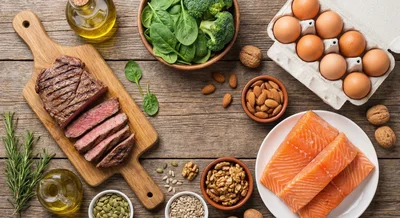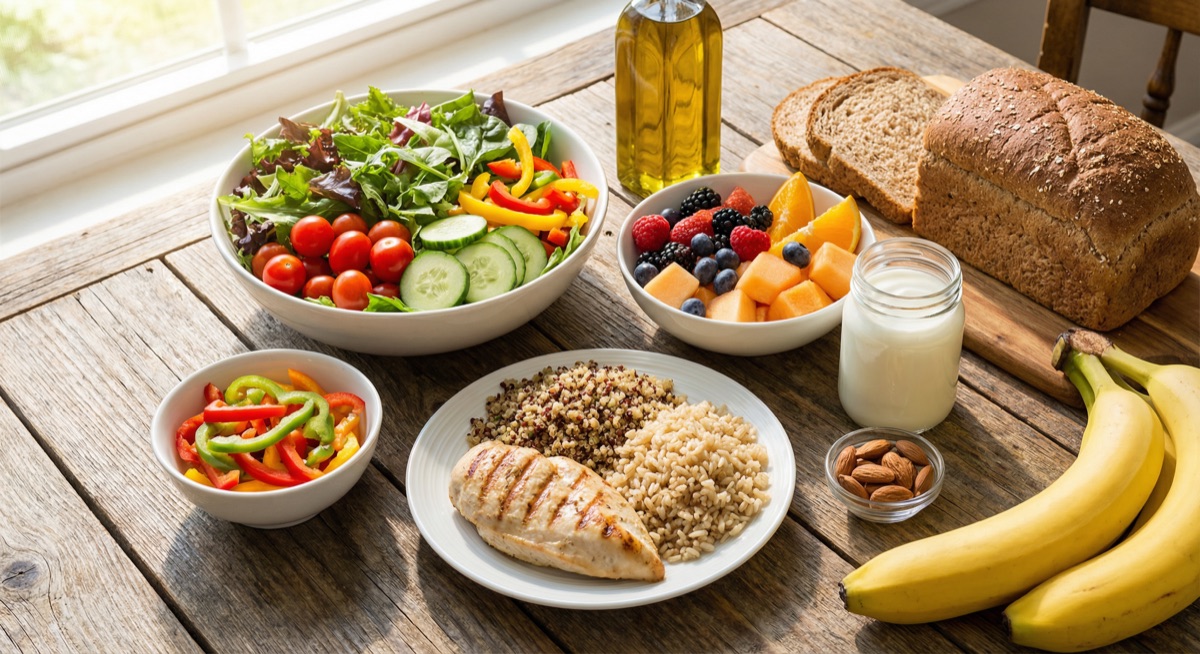
The Dietary Approaches to Stop Hypertension (DASH) diet emphasizes vegetables, fruits, whole grains, lean protein, and low-fat dairy while limiting sodium, saturated fat, and added sugars. It is well supported by research for blood pressure and heart health. As a registered dietitian, I recommend DASH as a sustainable, evidence-based pattern that can be adapted to cultural preferences and allergies. This guide covers how supplements can fit in when needed, what to avoid, and practical tips. For product options, browse vitamins and supplements and calcium and vitamin D on iHerb.
What Is the DASH Diet?
DASH was designed to lower blood pressure and has been shown in trials to do so, often within weeks. It is rich in potassium, magnesium, calcium, and fibre from whole foods and limits sodium (typically to 2,300 mg or 1,500 mg per day depending on the version). The pattern also supports cardiovascular health, weight management, and overall diet quality when followed consistently. Meals are built around vegetables, fruits, whole grains, lean meats, fish, legumes, nuts, seeds, and low-fat or fat-free dairy. Processed foods, added sugars, and high-sodium items are reduced. No single food is required; the focus is on overall pattern and portions.
Who Is DASH For?
DASH is suitable for most adults, especially those aiming to support healthy blood pressure or cardiovascular health. It can be adapted for vegetarians, vegans (with attention to vitamin B12, iron, and calcium from non-dairy sources), and people with food allergies or cultural preferences. If you have kidney disease or take potassium-sparing medications, your doctor or dietitian may advise limiting high-potassium foods or supplements—do not add potassium supplements without medical guidance. People with diabetes can follow DASH while monitoring carbohydrate intake and blood glucose; the diet is compatible with blood sugar goals when portions and timing are tailored.
How Supplements Fit In
Most nutrients on DASH come from food. A few supplements may fill gaps depending on your intake and lifestyle. Whole foods provide not only the nutrient in question but often other beneficial compounds and fibre; prioritize food first and use supplements to fill gaps when diet falls short or convenience matters. Choose products with third-party testing and clear labeling. Below are the most common supplements considered alongside DASH.
Vitamin D
Many people are low in vitamin D due to limited sun exposure, skin type, season, or use of sunscreen. If you get little sun or use sunscreen consistently, a supplement taken with a fat-containing meal can help. A blood test can guide dose; typical maintenance doses range from 600 to 2,000 IU per day depending on baseline status and healthcare provider advice. Do not exceed upper limits without monitoring. Vitamin D supports bone health and may play a role in immune and cardiovascular health; it does not replace a balanced diet or blood pressure medication.
Omega-3 Fatty Acids
If you eat fatty fish less than twice per week, an omega-3 supplement (EPA and DHA) may support heart health in line with DASH principles. Typical doses for cardiovascular support range from about 500 mg to 2,000 mg combined EPA+DHA per day; follow product labeling and your doctor's advice. Plant-based omega-3 (ALA from flax, chia, walnuts) is beneficial but less efficient at raising EPA and DHA; fish or algae-based supplements provide direct EPA and DHA. If you take blood thinners or have bleeding disorders, discuss omega-3 use with your doctor.
Calcium
DASH includes dairy; if you avoid or limit dairy (e.g. lactose intolerance, vegan diet), a calcium supplement (with vitamin D for absorption) may be useful. Aim for the amount that, with food, meets your daily target (e.g. 1,000–1,200 mg for most adults). Split doses if taking more than 500 mg elemental calcium at once to improve absorption. Avoid megadoses; excess calcium from supplements has been associated with risks in some studies. Food sources (fortified plant milks, tofu, leafy greens, canned fish with bones) can cover part or all of needs.
What to Avoid
Do not add potassium supplements unless your doctor recommends them—DASH already includes potassium-rich foods, and excess potassium can be harmful for people with kidney disease or on certain medications. Avoid megadose vitamins or unproven "heart" stacks. Focus on food first and one or two targeted supplements if needed. Do not use supplements as a substitute for blood pressure medication or medical care; if you have hypertension, follow your doctor's treatment plan and use diet and supplements as complementary support.
Practical Tips
Build meals around vegetables, fruits, whole grains, and lean protein. Use herbs and spices instead of extra salt. Recheck vitamin D with a blood test about once a year if you supplement. Plan a few go-to DASH-style meals and batch-cook where possible. Read labels for sodium and added sugars; choose lower-sodium canned or packaged options. Supplements support—they do not replace—a balanced DASH eating pattern. Stay hydrated and keep portion sizes in check; even healthy foods can contribute to weight gain if portions are large.
Sample Meal Ideas
Breakfast: oatmeal with fruit and nuts; Greek yogurt with berries; whole-grain toast with avocado and eggs. Lunch: large salad with chickpeas, vegetables, and olive oil dressing; whole-grain wrap with hummus and vegetables; vegetable soup with whole-grain bread. Dinner: baked fish with vegetables and brown rice; lentil stew with whole grains; grilled chicken with roasted vegetables and quinoa. Snacks: fruit, raw vegetables, nuts, low-fat cheese. Adjust portions and ingredients to fit your calorie needs and preferences.
When to See a Dietitian or Doctor
Consult a registered dietitian for a personalized DASH plan, especially if you have kidney disease, diabetes, heart failure, or other conditions. A doctor should manage blood pressure medication and monitor labs (e.g. potassium, kidney function) if you have hypertension or kidney issues. Do not stop or change medications based on diet or supplements without medical guidance. If you experience side effects from any supplement, stop use and seek advice.
Summary
- DASH is an evidence-based eating pattern for blood pressure and heart health; focus on vegetables, fruits, whole grains, lean protein, and low sodium.
- Most nutrients should come from food; supplements can fill gaps (e.g. vitamin D, omega-3, calcium) when intake or lifestyle warrants.
- Do not add potassium supplements without medical advice; avoid megadose vitamins and unproven stacks.
- Prioritize food first, use one or two targeted supplements if needed, and recheck vitamin D periodically when supplementing.
- For personalized plans and medical conditions, work with a dietitian and doctor.