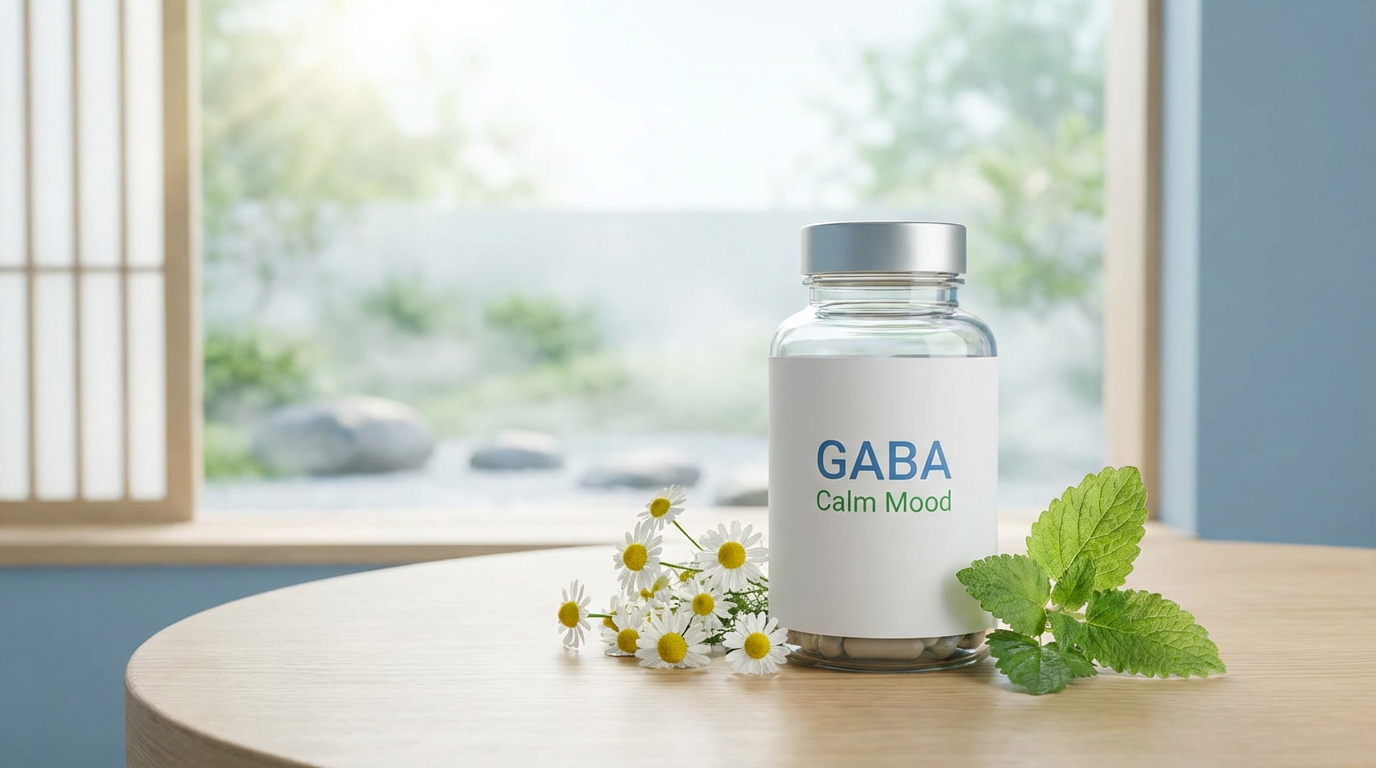
Gamma-aminobutyric acid (GABA) is the main inhibitory neurotransmitter in the brain: it helps calm neural activity and supports relaxation, sleep, and a balanced mood. Many people turn to GABA supplements hoping to ease stress, anxiety, or restlessness. As a yoga and wellness coach, I often get questions about whether GABA supplements actually work, how to dose them, and how they compare to lifestyle and other supplements. This guide covers what GABA does in the body, what the research says about supplemental GABA, practical dosing and forms, and when to combine with sleep and stress habits. For product options you can browse GABA supplements and relaxation support on iHerb.
What Is GABA?
GABA is produced in the brain from the amino acid glutamate; it binds to GABA receptors and reduces the firing of neurons, which has a calming effect. Low GABA activity has been linked in some research to anxiety, insomnia, and mood disorders, though cause and effect are complex. The key question for supplement users is whether oral GABA can cross the blood–brain barrier and reach the brain. Traditional view held that it does not cross well, so that dietary GABA would have limited direct effect on the central nervous system. More recent work suggests that some GABA may cross or that GABA might exert effects via the gut–brain axis or other pathways. Evidence from human trials is mixed: some studies show benefits for stress, relaxation, or sleep; others show little or no effect. Quality of studies varies, and more robust research is needed.
What the Evidence Shows
Randomised controlled trials have tested GABA supplements for stress, anxiety, and sleep. Some report reduced stress or improved relaxation scores; others find no significant difference versus placebo. Doses in studies often range from 100 mg to 500 mg or more; duration varies from single dose to several weeks. Effects, when reported, tend to be modest. It is possible that part of the benefit comes from the ritual of taking a supplement and from placebo, or from indirect effects (e.g. on gut or autonomic tone). If you try GABA, use it as one part of a broader approach—sleep hygiene, stress management, and relaxation practices—rather than as a standalone fix. Do not use GABA instead of prescribed anxiety or sleep medication without your doctor's guidance.
Forms and Dosage
GABA is sold as a standalone supplement (capsules, tablets, powders) and is sometimes included in “calm” or “relaxation” blends with other ingredients (e.g. L-theanine, magnesium, herbs). Typical supplemental doses are 100–750 mg per day, often split into two doses (e.g. afternoon and evening). There is no universally agreed “best” dose; start at the lower end and see how you respond. Taking GABA with or without food does not seem to make a large difference in most reports. Give it at least a few weeks of consistent use before judging effect. Do not exceed the dose on the product label unless under professional supervision. If you take other supplements or medications that affect the nervous system (e.g. sedatives, antidepressants), check for interactions and discuss with your doctor or pharmacist.
GABA vs Other Calm Supports
People often compare GABA to L-theanine (an amino acid from tea that may promote relaxation without drowsiness), magnesium (which supports muscle and nervous system relaxation), and adaptogens (e.g. ashwagandha, rhodiola). L-theanine has more human data for relaxation and focus; magnesium is well established for general nutrition and muscle function. Adaptogens are used traditionally for stress resilience. You can use GABA alone or in combination with these, but avoid stacking many sedating ingredients without a plan. A yoga or mindfulness practice, consistent sleep schedule, and reduced caffeine in the afternoon often provide a strong foundation before adding supplements.
Safety and Side Effects
GABA supplements are generally well tolerated at typical doses. Some people report drowsiness, light-headedness, or mild digestive upset. Because GABA can have a calming effect, avoid driving or operating machinery until you know how you respond. Do not combine with alcohol or other depressants without medical advice. Long-term safety data for high-dose or prolonged use are limited. Pregnancy and breastfeeding: not enough data; many sources recommend avoiding GABA supplements unless under professional care. If you have a history of seizures or take drugs that affect GABA (e.g. benzodiazepines, some anticonvulsants), do not use GABA supplements without talking to your doctor—there is theoretical potential for interaction.
Who Might Consider GABA
Adults who are looking for a non-prescription option to support relaxation or mild stress, and who have already tried or are using sleep hygiene and stress-reduction techniques, may consider trying a low-to-moderate dose of GABA for a few weeks. It is not a replacement for therapy or medication when anxiety or insomnia are severe. People with mood or anxiety disorders should work with a clinician; supplements can be discussed as an add-on, not a substitute. If you notice no benefit after a fair trial, consider other evidence-based options (L-theanine, magnesium, adaptogens, or professional care) rather than increasing the dose indefinitely.
Practical Tips
- Start low: 100–250 mg per day, then adjust if needed.
- Time it: Many people take GABA in the afternoon or evening to support wind-down.
- Combine with habits: Sleep schedule, reduced screen time before bed, and relaxation practices amplify any benefit.
- Track: Note how you feel after a few weeks; if there is no change, consider other strategies.
- Quality: Choose a reputable brand; avoid mega-doses unless under supervision.
FAQ
Does GABA cross the blood–brain barrier?
Evidence is mixed. Some studies suggest limited passage; others suggest possible effects via other mechanisms. Benefits in trials are modest when they appear.
Can I take GABA with L-theanine?
Many people do. Both are used for relaxation; start with one, then add the other if needed, and avoid stacking too many sedating ingredients.
How long until I feel an effect?
Some report feeling calmer within days; others need 2–4 weeks. If there is no change after a month, consider other options.
Key Takeaways
- GABA is the brain's main inhibitory neurotransmitter; oral supplementation has mixed evidence for stress and relaxation.
- Typical doses: 100–750 mg per day; start low and give it a few weeks.
- Combine with sleep hygiene and stress management; do not replace prescribed treatment with GABA.
- Generally well tolerated; avoid with alcohol, driving until you know your response, and discuss with your doctor if on other nervous system drugs.
- Compare GABA and ashwagandha or other calm supports on iHerb if you are looking for alternatives.