What This Program Is
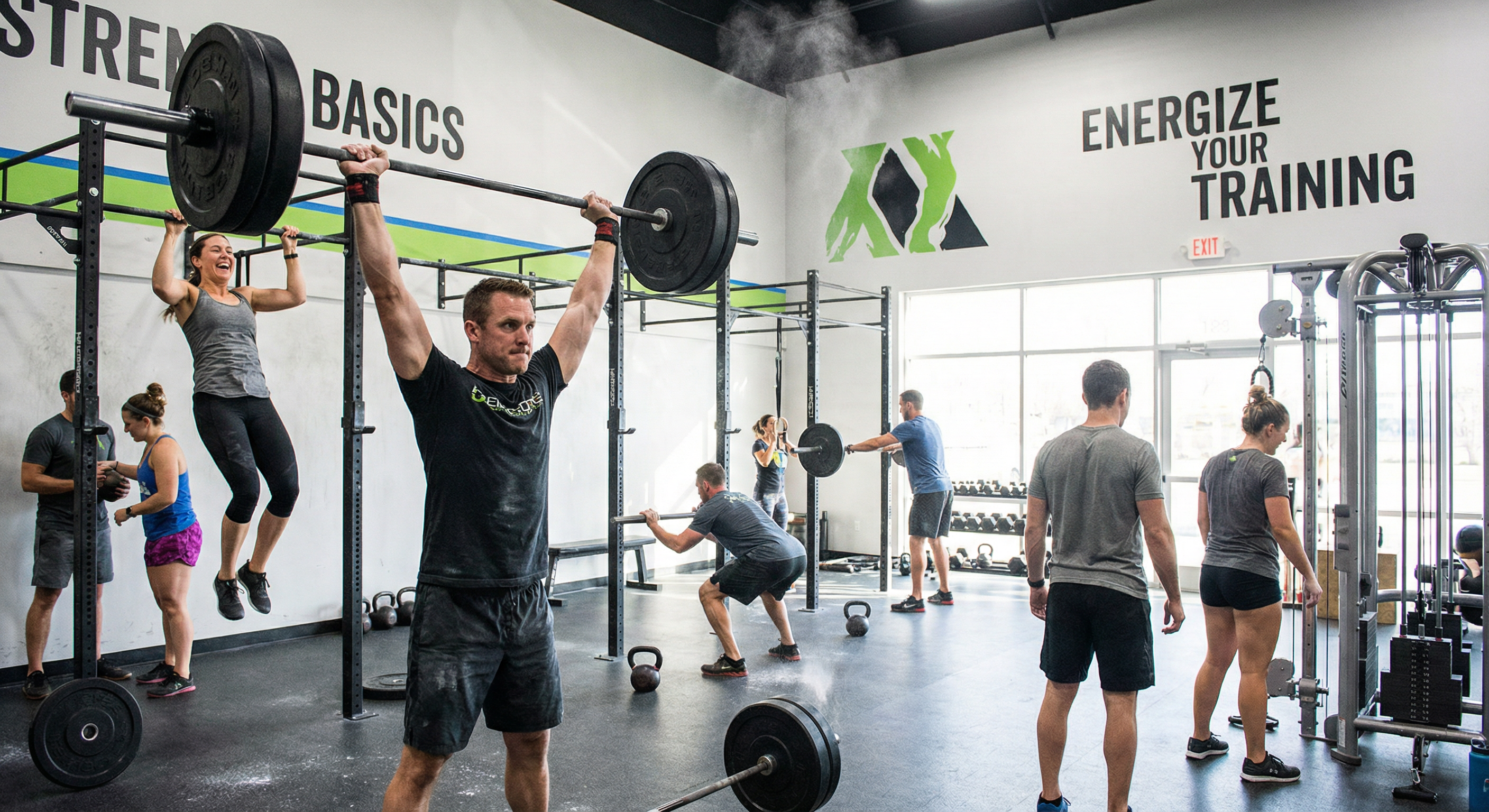
Gym strength basics is a four-week introduction to strength training built around compound lifts—movements that use multiple joints and muscle groups. You will train three times per week, learning technique first and then adding load gradually. The goal is to build a foundation of strength and movement quality, not to maximise size or peak performance in four weeks. Consistency and form matter more than weight on the bar. As a fitness coach, I use this structure for newcomers who have access to a barbell, racks, and a bench; it teaches the squat, hinge, push, and pull patterns that underpin almost all strength programmes.
Why Compound Lifts
Compound exercises—squats, deadlifts, presses, and rows—train the whole body efficiently and translate well to daily life and sport. They also allow you to add weight over time in a simple, measurable way. As a beginner, you can get stronger quickly by recovering well and progressing the load in small steps. Isolation exercises have their place later; for the first weeks, focus on a small set of big movements. Compound lifts also build coordination and proprioception under load, which reduces injury risk when you later add volume or intensity.
Weeks 1–2: Foundation
In the first two weeks, the focus is on learning the lifts and building a habit. Choose a weight that allows you to complete all sets with good form—that might mean just the bar or light dumbbells. Work on squat depth, a neutral spine in the deadlift, and controlled presses and rows. If you have access to a coach or experienced lifter, a form check is valuable. Aim for three sessions per week with at least one rest day between sessions. Sample structure: squat, horizontal press (e.g. bench or push-up), horizontal pull (row), and a hinge (e.g. deadlift or hip hinge). Add core work (planks, dead bugs) if you have time. Do not rush; the goal is to own the movement pattern before adding significant load.
Weeks 3–4: Progression
Once the movement patterns feel familiar, start adding load. Increase weight in small steps—2.5–5 kg on the bar or one step up on dumbbells—when you can complete all reps with good form. Do not rush; better to add weight slowly than to sacrifice form and risk injury. Keep the same three-day structure and similar exercise selection so you can compare week to week. If you feel pain (not just muscle fatigue), reduce weight or range of motion and consider a form check or professional advice. Many beginners add 2.5 kg per session to squats and deadlifts and 1–2 kg to presses and rows; adjust based on your size and experience.
Recovery and Nutrition
Strength gains happen when you recover. Sleep well, eat enough protein and calories for your goals, and do not add heavy conditioning on top of three lifting days until you are used to the load. Stretching and light movement on rest days can help with stiffness. Hydration and a balanced diet support performance and recovery. Protein intake in the range of 1.4–1.8 g per kg body weight is a good target for most people in a strength phase. Protein supplements and creatine can help meet targets when whole foods fall short; they do not replace meals but can round out intake on busy days. Give yourself at least one full rest day between sessions and avoid stacking this programme with long runs or other high-volume work in the first month.
After Four Weeks
You can repeat the cycle with slightly higher starting weights, add an extra set per exercise, or move to a more advanced programme that periodises volume and intensity. The habits you build—showing up, warming up, and progressing gradually—apply to any strength programme. Keep technique as the priority and increase load only when form stays solid. Many lifters move to a 5x5 or similar linear programme after this intro; others extend the four-week block with another month of gradual progression before changing structure.
Equipment and Environment
You need access to a barbell, squat racks or stands, a bench, and enough space for squats and deadlifts. Most commercial gyms have this. Dumbbells can substitute for some movements (e.g. goblet squat, dumbbell row, single-arm press) if the bar is intimidating at first. Resistance bands can add warm-up or assistance work. If you are completely new, one or two sessions with a coach to learn the squat, press, and hinge are worth it—they reduce injury risk and speed up confidence. Do not let lack of ideal equipment stop you; start with what you have and progress from there.
Session Structure and Volume
A typical session includes a warm-up (5–10 minutes), 3–4 main exercises, and optional cool-down. For example: squat 3×8–10, bench press 3×8–10, barbell row 3×8–10, plank or dead bug. Rest 60–90 seconds between sets. Rotate emphasis by day (e.g. more squat volume one day, more press another) to avoid overdoing any single pattern. If time is short, reduce the number of exercises rather than rushing through with poor form. Total session length is often 45–60 minutes including warm-up.
Common Mistakes
Starting too heavy leads to bad form and early plateaus. Skipping warm-ups increases injury risk. Adding weight every session without checking form leads to ingraining errors. Doing too much extra work (isolation, cardio) on top of three full-body sessions can delay recovery. Ignoring pain or pushing through sharp discomfort can turn a small issue into a serious one. Stick to the programme for the full four weeks before judging; consistency over the month matters more than any single session.
When to Get Help
If you have a history of back, knee, or shoulder injury, get clearance from a physiotherapist or doctor before starting. If you cannot find a comfortable squat or deadlift position, a coach or physio can help with mobility or modifications. If progress stalls or you feel persistent joint pain, do not keep adding weight—deload and seek advice. This programme is designed to be safe and progressive; use it as a stepping stone to long-term strength training.
Evidence and Practical Tips
Research on resistance training shows that compound movements, progressive overload, and adequate recovery drive strength and hypertrophy. This four-week structure fits those principles. Quality matters: prioritise sleep, protein, and technique. Many lifters use protein powder and creatine to support training; use them as part of a balanced diet. If you have health conditions or take medications, consult a healthcare provider before starting. This guide is for education and does not replace advice from a coach or doctor.
Sample Week Layout
Monday: Squat 3×8–10, bench press 3×8–10, barbell row 3×8–10, plank 2×30 s. Wednesday: Squat 3×8–10, overhead press 3×8–10, deadlift or RDL 3×8, dead bug 2×10. Friday: Same as Monday or rotate to slight variations (e.g. goblet squat, push-up, single-arm row). Keep rest days between sessions; do not train the same movement pattern two days in a row. If you miss a session, resume on the next scheduled day—do not double up.
Progression Rules
When you complete all sets and reps with good form, add the smallest increment available (often 2.5 kg total on the bar for squats and deadlifts, 1.25 kg per side for presses and rows). If you fail a set (e.g. only 7 reps on the third set when aiming for 8), repeat the same weight next time. If you fail the same weight three sessions in a row, reduce by 10% and build back up. This prevents injury and frustration. Record your working weights and reps so you can track progress week to week.
FAQ
Can I do cardio on rest days? Light walking or cycling is fine; avoid long or intense cardio until you are used to the programme.
What if I only have dumbbells? Use goblet squats, dumbbell rows, single-arm presses, and Romanian deadlifts; the principles of form and progression stay the same.
How do I know if my form is good enough? Film yourself or get a coach check; if you can complete the rep without pain and with a stable spine and controlled movement, you are in a good range.
Summary
- Weeks 1–2: Learn the lifts; use light load and prioritise form.
- Weeks 3–4: Add load in small steps while keeping good technique.
- Frequency: Three sessions per week with rest between.
- Recovery: Sleep, nutrition, and gradual progression matter as much as the exercises.
- After four weeks, repeat with higher starting weights or move to a 5x5 or periodised programme.
Gym strength basics gives you a clear four-week path to building a foundation in the main compound lifts and setting up long-term strength gains.