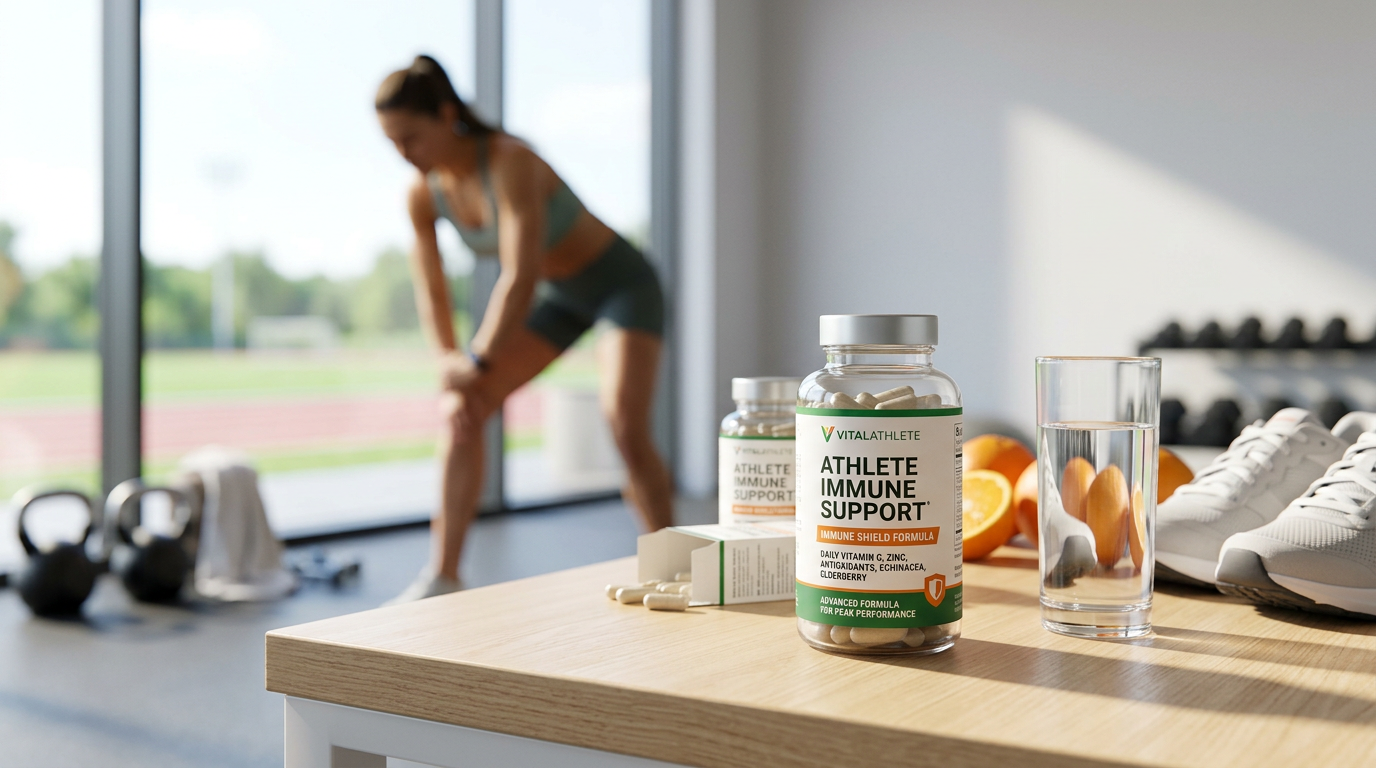
Intense or prolonged training can temporarily affect immune function and increase susceptibility to upper respiratory infections. Understanding how diet, sleep, stress, and targeted supplements support immunity helps athletes stay consistent and recover well. This guide summarises evidence-based practices and when supplements may add value. No supplement replaces sleep, nutrition, or sensible training design; the goal is to support your body with habits and, where appropriate, evidence-based supplementation.
Why Immune Health Matters for Athletes
Heavy training without adequate recovery can suppress immune markers and increase infection risk. Periodisation, rest days, and sufficient sleep are foundational. Overtraining and chronic fatigue are associated with higher illness rates; balancing volume and intensity with recovery is key. The so-called open window hypothesis suggests that for a few hours after intense exercise, pathogen defence may be temporarily reduced. Although the real-world impact varies, it underscores why recovery practices matter. Athletes who train multiple times per day or compete frequently need to prioritise sleep, nutrition, and hygiene (e.g. hand washing, avoiding shared bottles) as much as any supplement.
Training Load and Recovery
Monitoring load and recovery helps reduce unnecessary illness. Use simple markers: resting heart rate, sleep quality, mood, and performance trends. If you notice persistent fatigue, declining performance, or repeated infections, consider reducing volume or intensity and increasing rest before adding supplements. Recovery nutrition—adequate energy, protein, and carbohydrates—supports both adaptation and immune function. Low energy availability (underfuelling relative to expenditure) is associated with impaired immunity and increased illness; athletes in weight-sensitive sports or during heavy blocks should pay special attention to fuelling. Hydration also matters: severe dehydration can stress the body and may affect mucosal defences.
Diet and Key Nutrients
A balanced diet with adequate energy, protein, and micronutrients supports immune function. Vitamin D, zinc, and vitamin C are often studied in relation to immunity. Many athletes can meet needs through food; those with low sun exposure, restricted diets, or high training load may benefit from targeted supplementation under guidance. Vitamins and minerals on iHerb offer a range of options. Avoid megadoses; more is not always better and can be harmful. Focus on variety: colourful fruits and vegetables provide antioxidants and fibre; lean protein and wholegrains support repair and energy. Omega-3 fats from fish or algae may have anti-inflammatory effects; evidence for direct immune benefit in athletes is mixed but a balanced intake is part of general health.
Vitamin D and Zinc
Vitamin D deficiency is common in northern latitudes and in people who train indoors. Some evidence suggests supplementation may reduce respiratory infection risk in deficient individuals; optimal dose and target levels are debated. Blood testing can identify deficiency; maintenance doses (e.g. 1,000–2,000 IU daily) are often used when status is replete. Zinc (e.g. 15–30 mg elemental zinc) taken at the onset of cold symptoms may shorten duration in some studies; long-term high-dose zinc can cause copper deficiency. Use evidence-based doses and discuss with a doctor if you have health conditions. Do not exceed upper limits: vitamin D and zinc both have established tolerable upper intake levels, and exceeding them can cause harm. Form matters: vitamin D3 is commonly used; zinc citrate or gluconate are well absorbed. Take zinc with food to reduce stomach upset.
Probiotics and Gut Health
Gut health is linked to immune function. Some probiotic strains may reduce upper respiratory infection incidence or duration in athletes; results vary by strain and study. If you try probiotics, choose products with studied strains and doses, and use for several weeks. Probiotics on iHerb include various formulations. Do not use probiotics as a substitute for medical treatment of infection. Strains such as Lactobacillus casei, Lactobacillus rhamnosus, and Bifidobacterium have been studied; look for products that state the strain and dose used in clinical trials. Consistency is important: many trials run 12–16 weeks. Probiotics are generally safe for healthy adults but may cause initial digestive adjustment; in immunocompromised individuals they should only be used under medical guidance.
Vitamin C: What the Evidence Shows
Vitamin C is essential for immune function; deficiency increases infection risk. In the general population, routine high-dose vitamin C supplementation has not consistently reduced cold incidence, though some meta-analyses suggest a modest shortening of duration when taken regularly or at onset. Athletes under heavy physical stress may have slightly higher needs, but megadoses (e.g. several grams daily) are not proven to prevent illness and can cause digestive upset. A balanced diet with citrus, peppers, and leafy greens often provides sufficient vitamin C; if you supplement, 200–500 mg daily is a reasonable range. Vitamin C on iHerb is widely available in various forms.
Sleep and Stress
Sleep is one of the most powerful modulators of immune function. Short or poor-quality sleep is associated with higher infection risk and slower recovery. Aim for 7–9 hours per night; consistency matters as much as total duration. Reduce screen time before bed, keep the room cool and dark, and avoid large meals or caffeine close to bedtime. Stress—physical and psychological—also affects immunity. Chronic stress can suppress certain immune responses. Techniques such as breathing exercises, mindfulness, or light movement on rest days can help. If you struggle with sleep or anxiety, consider speaking to a healthcare provider; cognitive behavioural therapy for insomnia is an evidence-based option.
Elderberry, Echinacea, and Other Herbs
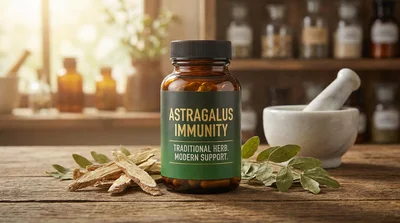
Elderberry and echinacea are sometimes used for immune support. Some studies suggest elderberry may shorten cold duration when taken at onset; evidence is not conclusive and product quality varies. Echinacea results are mixed; standardised extracts have been studied more than raw preparations. If you try them, choose standardised products and use as directed. They are not a substitute for vaccination or medical treatment. Other herbs (e.g. astragalus, andrographis) appear in immune formulas; evidence in athletes is limited. Always check for interactions with medications and use one new supplement at a time so you can assess tolerance and effect.
Practical Takeaways
- Prioritise recovery, sleep, and a balanced diet; they form the base of immune support.
- Consider vitamin D and zinc when intake or status is low; use sensible doses and test if unsure.
- Some probiotics may help; choose studied strains and allow time to assess effect.
- If you get ill frequently or have ongoing symptoms, see a doctor for personalised advice.
- Avoid stacking many supplements at once; add one at a time and give it several weeks.
- Keep in mind that illness can still occur despite good habits; the goal is to support resilience, not to eliminate all risk.
When to See a Doctor
Do not rely on supplements alone if you have recurrent infections, prolonged fatigue, fever, or symptoms that do not improve. A doctor can rule out underlying conditions (e.g. anaemia, thyroid issues, infection) and recommend tests (e.g. vitamin D, B12, iron) if needed. Vaccination remains important for flu and other preventable infections; discuss with your healthcare provider based on your schedule and travel. If you take medications or have chronic conditions, check with your doctor before starting new supplements.
Dosing and Safety Summary
Stick to evidence-based doses: vitamin D often 1,000–2,000 IU daily for maintenance when replete; zinc 15–30 mg elemental for short-term use at cold onset, not long-term high dose; vitamin C 200–500 mg daily if supplementing; probiotics as per product label for studied strains. More is not better and can cause side effects or nutrient imbalances. If you take multiple supplements, check total intake of fat-soluble vitamins and minerals (e.g. zinc, vitamin D) to avoid exceeding upper limits. Quality and purity vary; choose brands that undergo third-party testing when possible. Store supplements in a cool, dry place and check expiry dates. Quality varies by brand; choose reputable sources. Vitamins and probiotics on iHerb can be compared to find formulations that fit your needs.
Hydration and Immune Function
Dehydration can stress the body and may impair mucosal barriers and circulation. Athletes should aim to replace fluids lost through sweat; urine colour (pale yellow) is a rough guide. Do not overdrink: hyponatremia from excessive plain water is rare but possible during very long events. Electrolytes (sodium, potassium, magnesium) in drinks or food help during long or hot sessions. There is no need for excessive supplementation of electrolytes if your diet is balanced and sessions are moderate; reserve targeted use for long or intense efforts. Good hydration supports general recovery and may help maintain defences at mucosal surfaces where pathogens often enter.
Travel and Competition
Travel and competition add stress and exposure to new environments. Jet lag, disrupted sleep, and close contact with others can increase infection risk. Plan ahead: prioritise sleep in the days before and after travel, stay hydrated, and consider carrying hand sanitiser and avoiding touching your face. If you supplement with vitamin D or zinc, maintain your routine; do not start high-dose protocols right before a key event without having used them in training. Some athletes use probiotics during travel to support gut health; choose a product you have used before to avoid surprises. If you feel unwell before competition, follow your team or personal medical guidance; pushing through illness can prolong recovery and affect others.
Building Long-Term Resilience
Immune resilience is built over months and years, not days. Consistent sleep, varied nutrition, gradual training progression, and adequate recovery all contribute. Small, sustainable habits—regular sleep times, eating enough and with variety, managing stress—compound over time. There is no single supplement that can replace these foundations. Use supplements only where they add value: for example, vitamin D when you cannot get enough from sun and diet, or a probiotic with evidence in athletes when you want to trial one. Revisit your approach each season; what works in winter may differ from summer, and life stress or schedule changes may require adjustments. Avoid yo-yo habits: extreme restriction or overtraining followed by crash rest. Periodise your training so that hard blocks are followed by recovery; include deload weeks and listen to your body. Nutrition periodisation can help: ensure energy and protein are sufficient during heavy phases. Supplements are one piece of the puzzle; they work best when the foundation is solid. Reassess your habits and supplement use periodically—what worked in one season may need adjustment in another.
FAQ
Can I take vitamin D and zinc together?
Yes. They support different aspects of immune function. Take zinc with food; vitamin D can be taken with a meal containing fat for better absorption. Do not exceed recommended doses for either.
How long should I take a probiotic before judging effect?
Many studies run 12–16 weeks. Give a studied strain at least 4–8 weeks of consistent use before deciding whether it helps. Initial digestive adjustment is common.
Do I need supplements if I eat well and sleep enough?
Not necessarily. If your diet is varied, you get enough sun or dietary vitamin D, and you are not deficient in zinc or other nutrients, you may not need immune-specific supplements. Testing can clarify vitamin D status; discuss with your doctor.
What if I get sick during a training block?
Rest and recover; do not train through fever or significant illness. Light movement may be fine for mild colds, but listen to your body. Resume training gradually. If illness is frequent, see a doctor to rule out underlying issues.
Should I avoid training when I have a cold?
The neck rule is often cited: if symptoms are above the neck (e.g. runny nose, mild sore throat), light activity may be acceptable for some people; if below the neck (chest congestion, fever, body aches), rest is advised. This is a guideline, not a substitute for medical advice; when in doubt, rest or reduce volume until you recover.
Key Message
Immune health in athletes is supported by lifestyle first: adequate sleep, balanced nutrition, sensible training load, and recovery. Supplements can fill gaps when used appropriately and in line with evidence—vitamin D when deficient, zinc at cold onset in studied doses, probiotics with studied strains for several weeks. There is no magic pill; consistency in habits and targeted supplementation when needed usually yields the best results. Track how you feel, adjust training and recovery as needed, and seek medical advice when illness is frequent or persistent. With a solid foundation and evidence-based choices, you can support your immune system while pursuing your athletic goals.