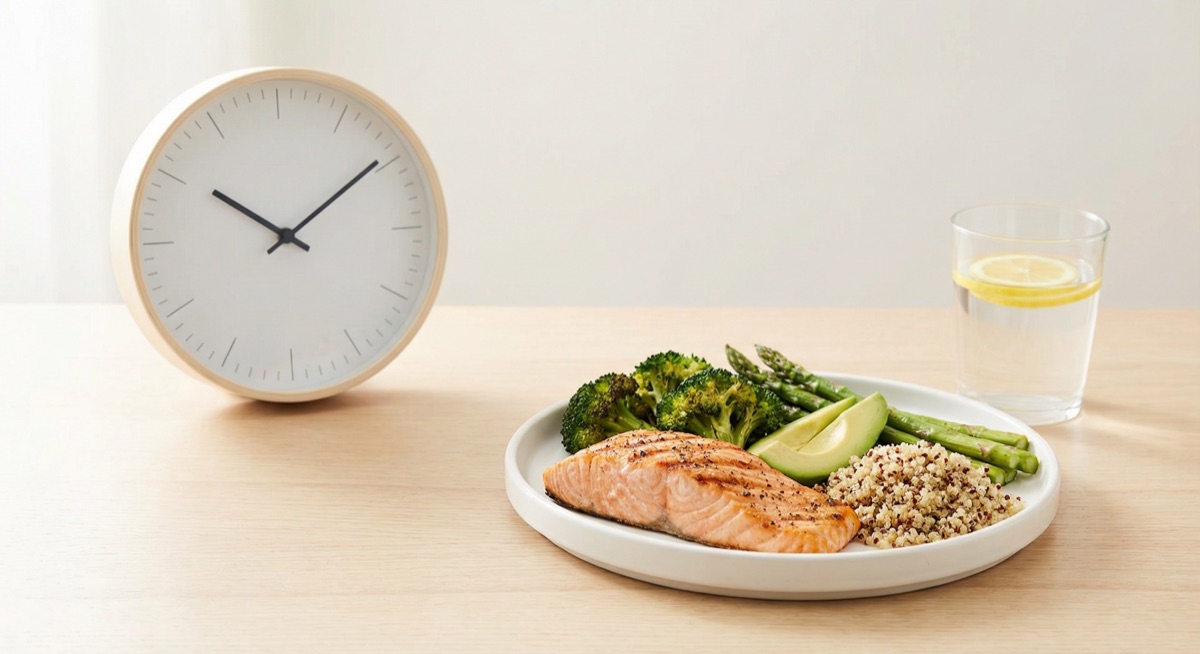
Intermittent fasting (IF) alternates eating windows with periods of little or no calorie intake. As a registered dietitian, I often get asked how to fit supplements into an IF schedule without breaking the fast or wasting money. The short answer: timing matters. Supplements that contain calories or trigger an insulin response can break a fast; fat-soluble vitamins and minerals are best taken with food for absorption. This guide covers what the evidence says, how to time your supplements, what to avoid during the fasting window, and when to see a doctor. For quality options you can browse vitamins and omega-3 on iHerb.
What is intermittent fasting?
Intermittent fasting is an eating pattern that cycles between periods of eating and fasting. Common approaches include 16:8 (fast 16 hours, eat within an 8-hour window), 5:2 (eat normally five days and restrict to very low calories two days), and alternate-day fasting. IF may support weight management, metabolic health, and sometimes blood sugar control in some people, but it is not suitable for everyone. It is not appropriate for children, adolescents, people with a history of eating disorders, or those who need regular meals for medical or psychological reasons. If you have diabetes, take medications that require food, or are pregnant or breastfeeding, discuss IF with your doctor before starting.
Who is intermittent fasting for?
IF can work well for adults who want structure around meal timing and who tolerate delayed eating without feeling unwell or distracted. It is not a diet that guarantees weight loss; total calories and food quality during the eating window still matter. Some people find that a shorter daily eating window helps them eat less or avoid late-night snacking; others find it stressful or incompatible with family meals or social life. If you try IF, start with a manageable pattern such as 12:12 and only tighten the window if you feel well. If you feel dizzy, weak, irritable, or unable to focus, break the fast and reassess; your health comes first.
How supplements fit into your fasting window
During the fasting window, the goal is to avoid anything that provides meaningful calories or raises blood sugar and insulin. That means: no food, no sweetened drinks, and no supplements that contain significant calories. Plain black coffee, unsweetened tea, and water are generally fine. Supplements that are calorie-free (such as many capsules or tablets of vitamins and minerals without added fillers that provide calories) typically do not break a fast in the technical sense, but some people prefer to take all supplements with the first meal for simplicity and to maximise absorption. Fat-soluble vitamins (D, E, K, A) and omega-3 fatty acids are absorbed better when taken with a meal that contains some fat; taking them on an empty stomach during a fast may mean you absorb less. As a dietitian, I recommend taking them with your first meal of the day within your eating window.
Multivitamins are often best taken with the first meal to reduce the chance of nausea and to improve absorption of fat-soluble vitamins. If your multivitamin contains iron, taking it with food can also reduce stomach upset. Vitamin D is one of the most common supplements; take it with a meal that has some fat (e.g. eggs, avocado, nuts) so your body can use it properly. Omega-3 supplements (fish oil or algae oil) are better absorbed with food and are less likely to cause fishy aftertaste or burps when taken with a meal. If you use protein powder or other calorie-containing supplements, they should be consumed during your eating window so they do not break the fast.
What breaks a fast?
Strictly speaking, anything that provides calories can break a fast. That includes: gummy or chewable vitamins (often contain sugar or other calories), BCAAs or amino acid supplements that provide calories, protein powders, and large doses of fish oil if the product has enough calories to matter. Some people follow a “dirty fast” and allow a small amount of cream in coffee or a few calories; that may still give some benefits but is not a true fast. For clarity and consistency, I recommend keeping the fasting window to water, black coffee, and unsweetened tea if you want a clear metabolic fast. During longer fasts (e.g. 24 hours or more), sugar-free electrolytes (sodium, potassium, magnesium) can help you feel better without breaking the fast; check product labels to ensure no added sugar or calories.
Electrolytes during longer fasts
When you fast for many hours, you may lose sodium and other electrolytes through urine, especially if you drink a lot of water. Some people experience headaches, fatigue, or dizziness; replenishing sodium and sometimes potassium and magnesium can help. Use sugar-free electrolyte powders or tablets that do not contain calories. Do not overdo it; follow label directions. If you have kidney problems or take medications that affect potassium, talk to your doctor before using electrolyte supplements. For most people doing 16:8 or similar, plain water and a balanced diet during the eating window are enough; electrolytes become more relevant for 24-hour or longer fasts.
Practical supplement timing by type
- Multivitamin: With your first meal to avoid nausea and to absorb fat-soluble vitamins.
- Vitamin D: With a fat-containing meal in your eating window.
- Omega-3: With food to improve absorption and reduce aftertaste.
- Iron: With food and, if possible, with vitamin C–rich foods to enhance absorption; avoid taking with large amounts of calcium at the same time.
- B vitamins: Often taken with the first meal; some people take them in the morning for energy.
- Magnesium: Can be taken with food or before bed; timing depends on the form and your goal (e.g. sleep support vs. general nutrition).
- Probiotics: Follow label directions; many are taken with food to protect the bacteria from stomach acid.
- Protein powder: During your eating window only; it provides calories and will break a fast.
If you take prescription medications that must be taken with food, follow your doctor's instructions. Do not skip or delay medications to preserve a fast; your health comes first. Coordinate with your doctor if you need to take medicine at a specific time that falls in your fasting window.
Consistency helps: taking your supplements at the same time each day (e.g. with your first meal) makes it easier to remember and helps your body adapt. If you switch between different IF patterns (e.g. 16:8 on weekdays and a longer window at weekends), keep the rule simple: all supplements with food, and nothing with meaningful calories during the fast. A pill organiser or reminder on your phone can help until the habit is automatic.
Nutrient density during the eating window
When you have fewer hours to eat, it is even more important to choose nutrient-dense foods so you do not short-change yourself on fibre, vitamins, minerals, or protein. Include plenty of vegetables, fruits, whole grains, legumes, lean protein, and healthy fats. A dietitian can help you plan meals that fit your eating window and meet your needs. If you fast often or long-term, consider a blood test to check vitamin D, B12, iron, and other markers so you can correct deficiencies with food or targeted supplements. Do not assume that IF alone causes deficiencies; but if your eating window is very short or your diet is limited, you may be at higher risk.
Who should avoid or modify intermittent fasting?
IF is not appropriate for children, adolescents, or anyone with a history of eating disorders. Pregnant and breastfeeding women should not restrict eating windows without medical guidance. If you have diabetes, especially on insulin or drugs that can cause low blood sugar, you must coordinate IF with your doctor to avoid dangerous hypoglycaemia. People who need to take medications with food at set times may find IF difficult; discuss timing with your doctor. If you are underweight, recovering from illness, or have a condition that requires regular nutrition, do not start IF without professional advice. The goal is to support your health, not to compromise it.
Evidence and limitations
Most research on intermittent fasting has looked at weight and metabolic outcomes over weeks or months; fewer studies have focused specifically on supplement timing during IF. What we know is that fat-soluble vitamins and omega-3 are better absorbed with food, and that calories during the fasting window can reduce or cancel some metabolic benefits of fasting. So the practical approach is to align supplement use with your eating window and with evidence on absorption. If you are unsure about a specific product (e.g. whether it has hidden calories), check the label or ask your pharmacist or dietitian.
Safety and when to stop
If you feel unwell, dizzy, weak, or unable to concentrate, break the fast and eat. Stay hydrated with water (and sugar-free electrolytes if doing long fasts). Do not push through severe hunger or fatigue in the name of fasting. Supplements support good nutrition; they do not replace a balanced diet or medical care. If you have ongoing symptoms, get a check-up to rule out deficiencies or other issues. Revisit your IF pattern if it no longer fits your life or health; flexibility is normal.
Tracking and adjusting
If you are new to IF or to combining it with supplements, keep a simple log for a week or two: note your eating window, when you take supplements, and how you feel (energy, hunger, digestion). That can help you and your dietitian spot gaps or timing issues. Adjust one thing at a time so you know what works. Many people find that a fixed routine (e.g. all supplements with breakfast at 10 a.m.) is easier than varying times each day.
FAQ
Can I take my multivitamin during the fasting window?
Many multivitamins are low in calories and may not technically break a fast, but fat-soluble vitamins in them are better absorbed with food. For best results, take your multivitamin with your first meal.
Does coffee break a fast?
Black coffee with no sugar or cream generally does not break a fast. Adding milk, cream, or sugar adds calories and can break it. Some people allow a small splash of milk; that is a personal choice but not a strict fast.
What if I take thyroid or diabetes medication?
Some medications must be taken with food or at specific times. Do not change the timing of your medications to fit a fast; talk to your doctor about how to combine IF and your prescriptions safely.
How do I get enough protein in a short eating window?
Plan meals that include lean meat, fish, eggs, legumes, dairy, or tofu. Spread protein across your meals in the window. A dietitian can help you hit your protein targets within your schedule.
Long-term fasting and nutrient status
If you practise intermittent fasting regularly over months or years, pay attention to overall diet quality and consider periodic blood tests. Vitamin D, B12, iron, and sometimes magnesium can be low in people who eat in a narrow window or who restrict certain food groups. A registered dietitian can help you plan meals that fit your schedule and meet your needs. Do not assume that IF alone causes deficiencies; but if your window is very short (e.g. one meal a day) or your diet is limited, you may need to be more intentional about nutrient density and possibly targeted supplements. Always discuss long-term fasting patterns with your doctor if you have any medical condition or take medications.
Summary
- Take calorie-containing supplements (e.g. multivitamin gummies, protein powder) during your eating window.
- Take fat-soluble vitamins (D, E, K, A) and omega-3 with a meal that contains fat.
- Keep the fasting window to water, black coffee, and unsweetened tea if you want a clear fast.
- Do not skip or delay medications that require food; coordinate with your doctor.
- Prioritise nutrient-dense foods in the eating window and get blood tests if you fast often.
Intermittent fasting and supplements can work well together when you time supplements with your first meal (or eating window), avoid calories during the fast, and put your health first. For a wide range of vitamins and omega-3 products, see vitamins on iHerb and omega-3 on iHerb; choose forms and doses that fit your eating schedule and your doctor's or dietitian's advice. If you have medical conditions or take prescription drugs, always discuss IF and supplement use with your healthcare provider before making changes.