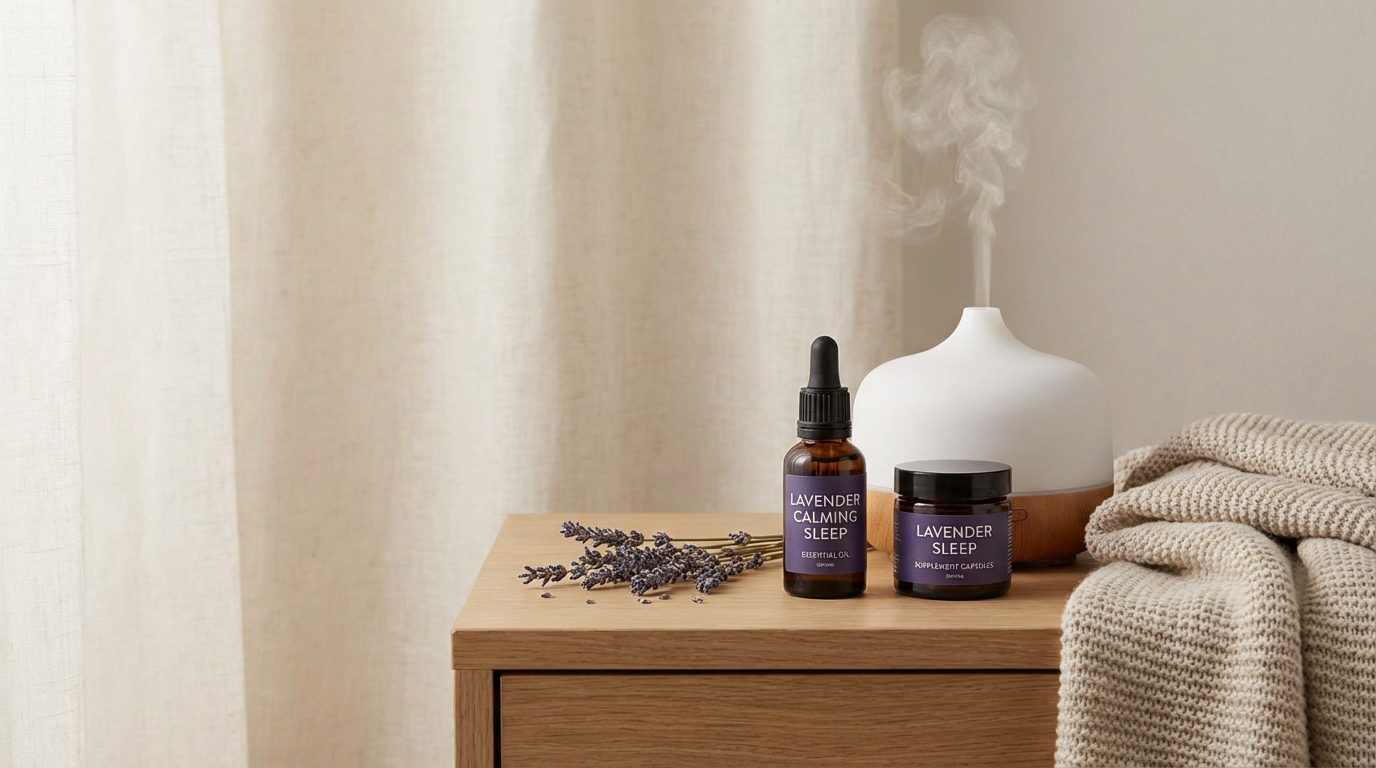
Lavender (Lavandula angustifolia) is one of the most popular herbs for relaxation and sleep support. Its calming scent and mild sedative effects have been used for centuries in traditional medicine, and modern research has begun to clarify how lavender may support rest and reduce anxiety. This guide summarizes the evidence, practical dosing, forms (oil, tea, supplements), and safety so you can use lavender wisely. For quality sleep support and aromatherapy options, you can browse iHerb.
Why lavender is used for sleep and calming
Lavender contains volatile oils (including linalool and linalyl acetate) that are thought to act on the central nervous system, potentially promoting relaxation and mild sedation. Aromatherapy with lavender oil has been studied for anxiety, restlessness, and sleep quality; oral forms (capsules, tea) have also been tested. Effects tend to be modest and vary by person, but many people find lavender helpful as part of a wind-down routine. It does not replace treatment for insomnia or anxiety disorders but can complement good sleep hygiene and stress management.
Evidence for sleep and relaxation
Several systematic reviews and randomized trials have examined lavender for sleep and anxiety. Inhalation (aromatherapy) has shown small to moderate benefits for sleep quality and anxiety in some studies; results are not uniform across all trials. Oral lavender extract (e.g. Silexan, 80 mg daily) has been studied for generalized anxiety with positive results in some trials; sleep outcomes have been explored as secondary measures. Overall, evidence supports lavender as a reasonable option to try for mild sleep or stress support, especially when combined with consistent sleep habits. Individual response varies; give it several weeks before judging effect.
It is important to note that many trials use different preparations (oil composition, dose, duration), which makes direct comparison difficult. Some studies report improvements in subjective sleep quality or time to fall asleep; others find no significant difference versus placebo. The weight of evidence suggests that lavender is safe and may help some people when used as part of a broader routine. Do not expect it to cure chronic insomnia on its own; combine it with sleep hygiene and, if needed, professional evaluation.
Forms and how to use them
Essential oil (aromatherapy): Use a diffuser or add a few drops to a tissue or pillow (avoid direct skin contact with undiluted oil). Inhale in the evening 30–60 minutes before bed. Do not ingest essential oil unless under professional guidance; topical use should be diluted. Tea: Steep 1–2 tsp dried lavender flowers in hot water for 5–10 minutes; drink in the evening. Supplements: Standardized lavender extract (e.g. 80 mg Silexan-type) is often taken once daily; follow product labels. Capsules are typically used for anxiety and relaxation; timing can be in the evening if the goal is sleep. Start with the lower end of the dose range and allow 2–4 weeks to assess effect.
Dosage and timing
For aromatherapy, there is no standard dose; use a low concentration (e.g. 2–4 drops in a diffuser) to avoid overwhelming scent or irritation. For oral supplements, studies often use 80 mg standardized extract once daily; some products suggest 80–160 mg. For tea, 1–2 cups in the evening is common. Consistency matters more than a single large dose; use lavender as part of a regular wind-down routine (dim lights, limited screens, same bedtime) for best results. Do not exceed label recommendations.
If you use both aromatherapy and an oral supplement, that is generally acceptable as long as you stay within recommended doses for each. Some people prefer oil only; others add tea or capsules. Give any new form at least two weeks before deciding whether it helps; sleep and anxiety can improve slowly, and placebo effects are common in the first few days. Keeping a simple sleep log (bedtime, wake time, quality, and what you used) can help you see patterns and decide whether lavender is worth continuing.
Safety and precautions
Lavender is generally well tolerated when used as directed. Essential oil should not be swallowed; it can be toxic if ingested in quantity. Topical use of undiluted oil can cause skin irritation; dilute with a carrier oil if applying to skin. Oral lavender supplements may cause mild digestive upset in some people. Lavender can have mild sedative effects; avoid driving or operating machinery until you know how it affects you. If you are pregnant, nursing, or have a medical condition, consult a healthcare provider before use. Lavender is not a substitute for prescribed sleep or anxiety medications; seek medical care if sleep problems or anxiety are severe or persistent.
Rarely, lavender has been associated with hormonal effects in laboratory or case reports; the relevance for typical use at recommended doses is unclear. If you have a history of hormone-sensitive conditions, discuss use with your doctor. Do not use lavender oil in or near the eyes or mucous membranes. Store oils and supplements out of reach of children and pets. If you notice any unexpected side effects (e.g. rash, nausea, dizziness), stop use and seek advice if needed.
Lavender in traditional and modern use
Lavender has a long history in Mediterranean and European folk medicine for calming nerves, easing headaches, and promoting rest. Today it is widely used in aromatherapy, cosmetics, and as a dietary supplement. The shift from traditional use to clinical research has helped identify which preparations and doses are most studied (e.g. Silexan for anxiety). Traditional use does not prove effectiveness but supports the idea that lavender is a low-risk option to try when you want a gentle, non-pharmaceutical approach to relaxation and sleep support.
Comparing lavender to other sleep herbs
Lavender is often compared to valerian, passionflower, lemon balm, and chamomile. Valerian has more evidence for sleep onset in some meta-analyses; passionflower and lemon balm are also used for relaxation and sleep. Chamomile is popular as a tea for mild calming. Each herb has a different chemical profile and evidence base; some people respond better to one than another. You can try lavender first and, if results are insufficient after several weeks, consider another herb or a combination product. Do not stack multiple sedative herbs without awareness of additive effects; when in doubt, ask a pharmacist or doctor.
Combining lavender with other sleep supports
Many people combine lavender with magnesium, L-theanine, or valerian for a gentle sleep stack. Evidence for specific combinations is limited; add one change at a time so you can tell what helps. Good sleep hygiene—consistent schedule, cool dark room, limited caffeine and screens before bed—remains the foundation. Lavender can support but not replace these habits. If you take other sedatives or calming supplements, check with a healthcare provider to avoid excessive drowsiness.
Building a wind-down routine with lavender
A predictable evening routine helps signal to your body that it is time to sleep. You can incorporate lavender in several ways: diffuse oil for 30–60 minutes before bed, drink lavender tea while reading or stretching, or take an oral supplement at the same time each night. Dim the lights, avoid heavy meals and caffeine in the late afternoon and evening, and limit screens in the hour before bed. Doing the same sequence regularly—including lavender if you find it helpful—can improve sleep quality over time. Lavender alone is not a substitute for these habits but can become a pleasant part of them.
Lavender and stress
Stress and anxiety often contribute to poor sleep. Lavender has been studied for both; aromatherapy may help reduce subjective stress and improve mood in some settings (e.g. before dental procedures, in intensive care). For daily use, incorporating lavender into an evening routine can signal to the body that it is time to wind down. Combine with other stress-management practices (breathing exercises, gentle movement, limiting late-day stimulation) for a more complete approach.
Quality and storage
Choose lavender products from reputable brands with clear labelling. For essential oil, look for 100% pure Lavandula angustifolia; avoid synthetic fragrances if you want therapeutic use. For supplements, standardized extract (e.g. Silexan) has the most clinical data. Store essential oils in a cool, dark place with the lid tightly closed; store dried flowers and supplements in a dry place away from direct light. Use by the expiry date.
When to see a doctor
If you have chronic insomnia, loud snoring, excessive daytime sleepiness, or symptoms of anxiety or depression, see a healthcare provider. Lavender and other supplements can support mild issues but are not a substitute for diagnosis and treatment of sleep disorders or mental health conditions. A doctor can rule out sleep apnea, restless legs, or other causes and recommend appropriate therapy or medication if needed.
FAQ
How long until lavender helps sleep?
Some people notice a calming effect quickly with aromatherapy; for oral supplements, allow 2–4 weeks of consistent use before judging effect.
Can I use lavender oil every night?
Yes, when used as directed (diffused or diluted). Avoid ingesting essential oil; use only oral products meant for consumption.
Is lavender safe for children?
Mild aromatherapy (low concentration, short duration) is sometimes used for children, but evidence is limited. Do not give oral lavender supplements to children without professional advice.
Can lavender interact with medications?
Lavender may enhance the effect of sedatives or central nervous system depressants; if you take sleep medications, muscle relaxants, or anxiety medications, ask your doctor or pharmacist before adding lavender. There is no strong evidence of major drug interactions at typical doses, but caution is reasonable when combining with other calming agents.
Which form is best for sleep?
Aromatherapy and oral supplements both have research support; choice depends on preference. If you prefer not to take a pill, try diffused oil or tea first. If you want a standardized dose, an oral extract (e.g. 80 mg) is easier to replicate. You can also use both: tea or oil in the evening and a capsule if needed. Start with one form and add another only if you feel it would help and you are within safe dosing for each.
Summary
- What it is: Herb (Lavandula angustifolia) used for relaxation and sleep; available as oil, tea, and supplements.
- Evidence: Some support for sleep and anxiety with aromatherapy and oral extract; effects tend to be modest.
- Dose: Aromatherapy: 2–4 drops in diffuser; oral: follow label (e.g. 80 mg standardized extract); tea: 1–2 cups evening.
- Safety: Generally well tolerated; do not ingest essential oil; dilute for topical use; discuss with doctor if pregnant or on medications.
Lavender for calming and sleep is a gentle option that works best as part of a consistent wind-down routine and good sleep hygiene. Use evidence-based dosing, give it time to work, and seek professional help if sleep or anxiety problems persist. Quality products and sensible habits together support better rest. Track what you try and how you feel; that information helps you and your provider decide next steps. Lavender is one of many tools—combine it with a regular schedule, a comfortable environment, and stress management for the best results. When in doubt, start with a low dose and one form (e.g. tea or aromatherapy) before adding supplements. Consistency over weeks usually matters more than a single high dose. If you take other sedatives or have health conditions, always check with a healthcare provider before adding lavender or any new supplement to your routine.
Final note: sleep and relaxation are influenced by many factors—stress, light exposure, diet, physical activity, and underlying health. Lavender can support a calm state and better sleep for some people but will not fix poor sleep caused by untreated sleep apnea, chronic pain, or medication side effects. Address those with a doctor while using lavender as a complementary tool. Choose products from brands that disclose ingredients and dosage clearly; store them properly and use by the expiry date. Over time, a combination of routine, environment, and a small number of evidence-based supports (such as lavender) often yields better results than constantly changing supplements. If you have tried lavender for several weeks and notice no benefit, consider other herbs or non-supplement strategies (e.g. cognitive behavioral therapy for insomnia) with professional guidance.