«Leaky gut» (increased intestinal permeability) refers to a state in which the lining of the intestine may allow more substances to pass into the bloodstream than normal. It is a concept discussed in both research and popular wellness; the evidence linking it to specific diseases or symptoms is still evolving. Diet and certain supplements may support gut barrier function and overall digestive health. This guide summarizes what we know, practical dietary steps, and supplement options so you can make informed choices. For probiotics, digestive enzymes, and digestive aids you can browse iHerb.
What is intestinal permeability?
The gut lining acts as a barrier: it lets nutrients and water in while helping keep harmful bacteria, toxins, and large molecules out. Tight junctions between cells regulate this selectivity. When these junctions are disrupted or the lining is damaged, permeability can increase—often called «leaky gut.» Researchers measure this with markers or tests (e.g. lactulose/mannitol ratio); in practice, the term is sometimes used loosely for various digestive or systemic symptoms. Increased permeability has been observed in conditions such as inflammatory bowel disease, celiac disease, and in some studies of irritable bowel syndrome; cause and effect are not always clear. Supporting gut barrier health through diet and lifestyle is a reasonable goal regardless of the label.
Diet and the gut barrier
Diet strongly influences the gut microbiota and the gut lining. A diet rich in fiber (from vegetables, fruits, legumes, whole grains) supports beneficial bacteria that produce short-chain fatty acids (e.g. butyrate), which help nourish the intestinal lining. Processed foods, excess sugar, and heavy alcohol use may negatively affect the barrier and microbiota. Some people with digestive sensitivity benefit from temporarily reducing highly fermentable (FODMAP) foods or irritants; a dietitian can help tailor this. Long term, a varied, fiber-rich diet is generally supportive. Stay well hydrated and avoid excessive alcohol; both matter for gut health.
Eating regularly and chewing well can reduce digestive burden. Large meals and eating late at night may worsen reflux or discomfort in some people. A food-symptom diary (what you ate, when, and how you felt) can reveal patterns and help you and a dietitian identify triggers. Do not cut out whole food groups long-term without professional guidance; nutrient deficiencies can worsen health. Gradual changes are often more sustainable than drastic elimination diets.
Probiotics and gut barrier
Probiotics are live bacteria (and sometimes yeasts) that may support a healthy microbiota balance. Some strains have been studied for effects on gut barrier function and inflammation in cell and animal models; human data are more limited. Certain Lactobacillus and Bifidobacterium strains are among the most studied. Probiotics do not «fix» leaky gut on their own but may be part of a broader approach. Choose products with strains that have been studied for digestive health; use consistently for at least 4–8 weeks. More is not better; follow the recommended dose. If you have serious immune compromise or critical illness, use only under medical guidance.
L-Glutamine
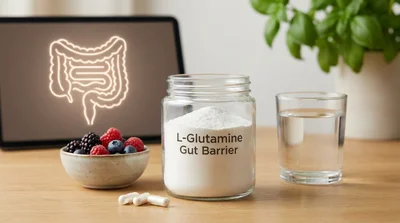
L-Glutamine is an amino acid that is a fuel source for intestinal cells. It has been studied in critical care and in some gut conditions; results in humans are mixed and context-dependent. Supplemental glutamine is sometimes used to support gut lining repair, but robust evidence for «leaky gut» in otherwise healthy people is limited. Typical supplemental doses in studies range from about 5 g to 15 g or more per day, often split into two doses; high doses can have side effects and are not appropriate for everyone. If you consider glutamine, discuss with a doctor or dietitian, especially if you have liver or kidney issues or take medications.
Zinc and gut repair
Zinc is involved in cell growth and repair and may support intestinal barrier function. Deficiency can impair gut healing; correcting deficiency (with food or supplements) is important. For people with adequate zinc status, extra zinc for «leaky gut» is not clearly supported by strong evidence. Zinc carnosine has been studied in some gut contexts (e.g. stomach lining); evidence for intestinal permeability specifically is limited. If you supplement, use a reasonable dose (e.g. within the upper limit from guidelines) and avoid long-term very high intake, which can cause copper deficiency and other issues. A dietitian or doctor can help assess your needs.
Fiber and prebiotics
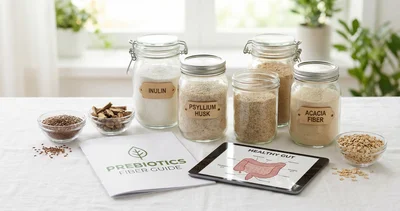
Fiber and prebiotics feed beneficial gut bacteria and support production of short-chain fatty acids. Gradually increasing fiber from whole foods (vegetables, fruits, legumes, whole grains) is generally beneficial. Prebiotic supplements (e.g. inulin, FOS, partially hydrolyzed guar gum) can be helpful for some people but may worsen gas or bloating in others, especially those with IBS or sensitivity to fermentable carbs. Introduce prebiotics slowly and in small amounts. Do not assume more is better; tolerance is individual. A dietitian can help you tailor fiber and prebiotic intake to your symptoms.
Anti-inflammatory foods and avoiding triggers
An anti-inflammatory eating pattern—rich in vegetables, fruits, omega-3s (e.g. fatty fish), nuts, seeds, and olive oil—may support overall gut and immune health. Reducing or avoiding foods that you know trigger symptoms (e.g. certain dairy if you are intolerant, excess alcohol, very spicy or irritating foods) can help. There is no single «leaky gut diet» proven for everyone; focus on whole foods, variety, and identifying your personal triggers with a food-symptom diary if needed. Eliminating entire food groups long-term without guidance can lead to nutrient gaps; work with a dietitian when in doubt.
Digestive enzymes
Digestive enzyme supplements (e.g. broad-spectrum enzymes, lactase, alpha-galactosidase) help break down food and may reduce digestive burden when digestion is impaired or when you eat problematic foods occasionally. They do not directly «repair» the gut lining but can support comfort and nutrient absorption. Use as directed, typically at the start of meals. They are not a substitute for a balanced diet or for treating underlying conditions (e.g. celiac disease, IBD). For product options, compare digestive enzyme formulations on iHerb.
Collagen and gelatin
Collagen and gelatin are sometimes suggested for gut lining support because they provide amino acids (including glycine and proline) that are building blocks for connective tissue. Evidence that collagen or gelatin supplements specifically improve intestinal permeability in humans is limited. They are generally safe in moderate amounts from food or supplements; if you try them, choose reputable brands and use within reasonable doses. They are not a replacement for evidence-based treatments or a balanced diet.
Stress, sleep, and the gut
The gut and brain communicate constantly (the gut-brain axis); stress and poor sleep can affect gut motility, blood flow to the gut, and possibly barrier function. Managing stress (e.g. through breathing exercises, mindfulness, regular movement) and improving sleep hygiene may support digestive health alongside diet and supplements. Chronic stress and sleep deprivation are not solved by supplements alone; address them as part of a full approach. Some people benefit from gut-directed hypnotherapy or cognitive behavioral therapy for functional digestive symptoms when lifestyle and diet are insufficient.
Bone broth and fermented foods
Bone broth is often promoted for gut health because it provides collagen, gelatin, and minerals. There is limited human evidence that bone broth specifically improves intestinal permeability; it can be part of a nutrient-rich diet and is generally safe. Fermented foods (yogurt, kefir, sauerkraut, kimchi) contain live bacteria and may support microbiota diversity. Introduce fermented foods gradually if you are not used to them; they can cause gas or bloating initially. They are not a substitute for medical treatment or a balanced diet but can complement other gut-supportive choices.
FAQ
How long until diet and supplements help?
Dietary changes may improve symptoms within days to weeks; probiotics and other supplements often need 4–8 weeks of consistent use. Barrier repair is not instant; give your approach time and track symptoms.
Should I avoid gluten for leaky gut?
If you have celiac disease, you must avoid gluten. For others, there is no strong evidence that everyone benefits from going gluten-free for «leaky gut.» If you suspect gluten sensitivity, get tested for celiac first (while still eating gluten) and discuss with a doctor or dietitian.
Can I take probiotics and glutamine together?
Many people do; they target different mechanisms. Introduce one at a time so you can assess tolerance and effect, then add the other if appropriate. Discuss with a provider if you have health conditions or take medications.
Is testing for leaky gut available?
Some tests (e.g. lactulose/mannitol ratio, zonulin) are used in research or in some clinics, but they are not universally standardized or recommended for routine diagnosis. Interpretation can be complex. Focus on symptoms, diet, and a medical workup for identifiable conditions (celiac, IBD, etc.) rather than relying on a single «leaky gut» test. Your doctor can advise on which tests, if any, are useful for your situation.
When to see a doctor
Do not self-diagnose «leaky gut» or rely on supplements alone if you have persistent digestive symptoms (pain, diarrhea, constipation, blood in stool, weight loss), fatigue, or suspected food intolerances. A doctor can rule out celiac disease, inflammatory bowel disease, infections, and other conditions that need specific treatment. Once serious causes are excluded, a dietitian can help you design a diet and supplement plan tailored to your needs. Blood tests, breath tests, or endoscopy may be used when appropriate.
Safety and interactions
Most dietary changes and the supplements mentioned above are low-risk when used appropriately, but interactions and contraindications exist. Probiotics are generally safe for healthy adults but can cause initial gas or bloating; in immunocompromised or critically ill people they should be used only under medical supervision. High-dose glutamine is not appropriate for everyone. Zinc in high doses long-term can cause copper deficiency. If you take medications or have health conditions, check with your doctor or pharmacist before starting new supplements. Introduce one change at a time so you can tell what helps.
Summary and key takeaways
- Gut barrier: Diet, fiber, and some supplements may support gut lining and microbiota; «leaky gut» as a standalone diagnosis is still debated in medicine.
- Diet: Prioritize whole foods, fiber, and anti-inflammatory choices; limit excess sugar, alcohol, and processed foods; identify personal triggers.
- Supplements: Probiotics, glutamine, zinc, and digestive enzymes have roles in some contexts; evidence for «fixing» leaky gut in healthy people is limited. Use evidence-based doses and discuss with a provider.
- Medical care: Persistent symptoms warrant a doctor's evaluation; then use diet and supplements with professional guidance as needed.
Leaky gut diet and supplements are best approached as part of a broader strategy: a nutrient-rich diet, adequate fiber, stress and sleep management, and avoidance of known triggers. No single supplement has been proven to «cure» increased intestinal permeability in all people; combination and consistency matter. Work with a dietitian or doctor to tailor choices to your situation, and always rule out serious conditions before relying on diet and supplements alone. Quality matters—choose reputable brands, store products as directed, and use by the expiry date. Track what you try and how you feel; that record will help you and your provider decide next steps. Over time, a balanced diet, sensible supplementation when indicated, and professional support usually yield better results than uncoordinated use of many products. If you have tried dietary changes and selected supplements for several weeks without improvement, a fresh evaluation (including possible testing) is a reasonable next step. Final note: the gut lining can recover with the right conditions—appropriate diet, reduced irritants, and sometimes targeted supplements. Patience and consistency are key; avoid stacking many new supplements at once so you can identify what actually helps. When in doubt, simplify: focus on whole foods, fiber, and one or two evidence-based supplements (e.g. a probiotic with studied strains) before adding more. Your doctor or dietitian can help you prioritize and monitor progress. Re-evaluate after 4–8 weeks: if symptoms have improved, maintain what works; if not, consider further testing or a different combination of diet and supplements with professional guidance. One step at a time usually works better than changing everything at once. Recheck progress after a few weeks and adjust with your provider as needed. A balanced diet and targeted supplements together usually work better than many products at once without a plan.