What Is Lemon Balm and How Is It Used for Sleep and Calm?
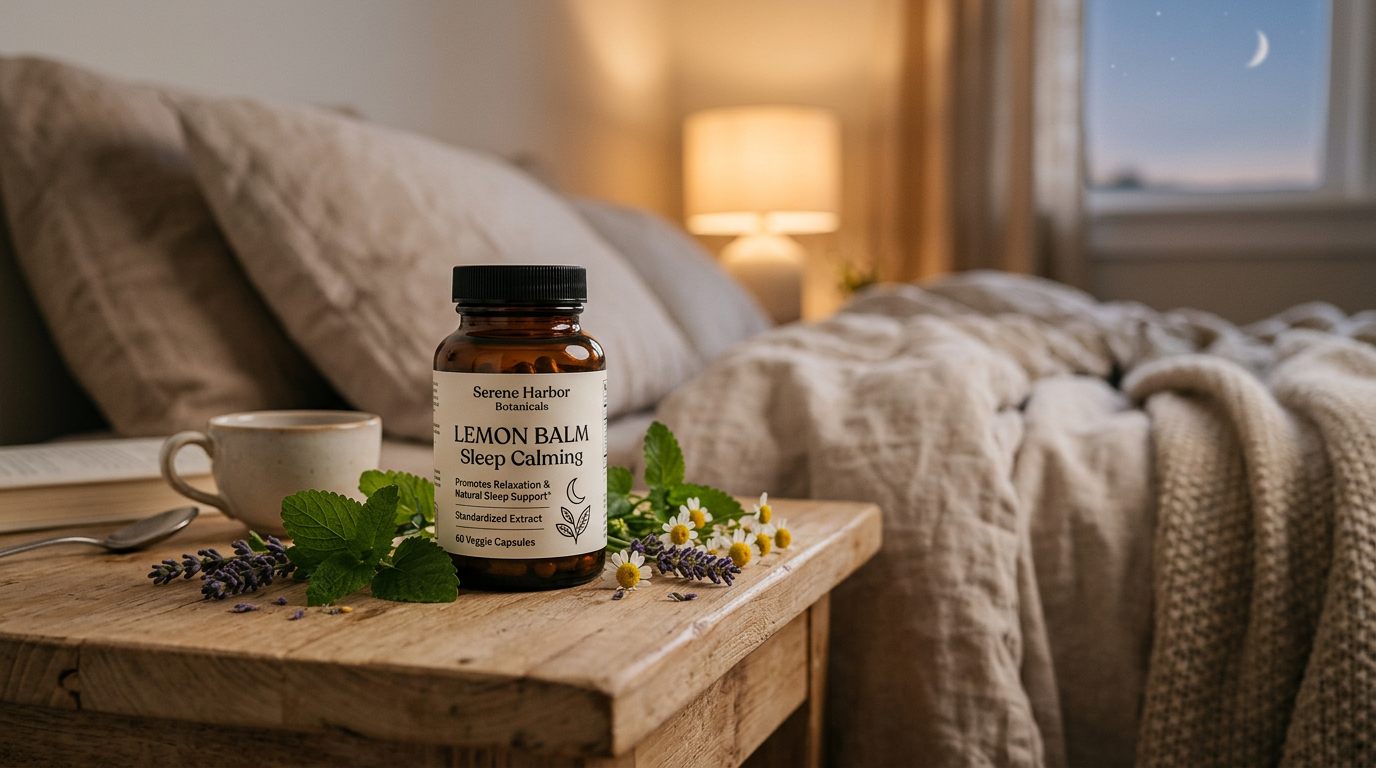
Lemon balm (Melissa officinalis) is a lemon-scented herb in the mint family, traditionally used to promote relaxation and support sleep. It is available as dried herb for tea, tinctures, and supplements (capsules or extracts). Research on lemon balm suggests it may have mild calming and sleep-supporting effects, often in combination with other herbs (e.g. valerian); evidence is promising but not uniform. Lemon balm does not replace treatment for insomnia or anxiety disorders but can complement good sleep hygiene and stress management. Quality lemon balm and sleep support products are available; choose brands with clear labelling.
Evidence for Sleep and Calming
Studies have tested lemon balm alone and in combination with valerian or other herbs for sleep quality and relaxation. Some trials show improved sleep and reduced restlessness with standardized lemon balm extract; effects tend to be moderate. Lemon balm may support GABA activity and a sense of calm without strong sedation, which makes it appealing for evening wind-down. Individual response varies; consistency over several weeks and combining with a regular bedtime routine often improve outcomes. Lemon balm is generally well tolerated, which makes it a reasonable option to try for mild sleep or stress support.
It is important to note that trial results are not uniform: some studies report benefits for sleep onset or quality; others find no significant difference versus placebo. The herb is often studied in combination with valerian, making it harder to isolate lemon balm's effect alone. Overall, the weight of evidence supports trying lemon balm as a low-risk option for mild support, alongside sleep hygiene and stress management. Do not expect it to cure chronic insomnia; use it as part of a broader approach.
Forms and Dosing
Tea: Steep 1–2 tsp dried lemon balm in hot water for 5–10 minutes; drink in the evening. Supplements: Follow product labels; standardized extracts are often used at doses equivalent to 300–600 mg dried herb or as specified (e.g. 300 mg extract once or twice daily). Take 30–60 minutes before bed if using for sleep. Start with the lower end of the range and give several weeks to assess effect. Do not exceed recommended doses. Combining lemon balm with valerian or passionflower is common in sleep formulas; read labels to avoid duplicate ingredients.
If you use both tea and a supplement, stay within recommended doses for each. Tinctures are another option; follow the manufacturer's dosing (often 2–4 mL per dose). Give any new form at least two weeks before judging effect; sleep and relaxation can improve gradually. Keeping a simple sleep log (bedtime, wake time, quality, and what you used) can help you see whether lemon balm is contributing.
Safety and Precautions
Lemon balm is generally considered safe for most adults when used as directed. It may interact with thyroid medication (theoretical concern); if you have thyroid conditions, discuss use with a doctor. It can have mild sedative effects, so avoid driving or operating machinery until you know how it affects you. Pregnant or nursing women should get professional advice before use. Lemon balm is not a substitute for prescribed sleep or anxiety medications; seek medical care if sleep problems or anxiety are severe or persistent. Store in a cool, dry place and use by the expiry date.
Rarely, lemon balm can cause digestive upset or allergic reactions in sensitive people. If you take sedatives, muscle relaxants, or anxiety medications, check with your doctor or pharmacist before adding lemon balm to avoid excessive drowsiness. Do not use lemon balm in place of a medical workup for chronic insomnia or anxiety; a healthcare provider can rule out sleep apnea, restless legs, or other conditions that need specific treatment.
Combining With Other Sleep and Calm Supports
Many people combine lemon balm with magnesium, L-theanine, or valerian for a gentle sleep stack. Evidence for specific combinations is limited; add one change at a time. Good sleep hygiene — consistent schedule, dim lighting, limited screens before bed — remains the foundation. Lemon balm can support but not replace these habits. If you take other sedatives or calming supplements, check with a healthcare provider to avoid excessive drowsiness.
Lemon Balm in Traditional and Modern Use
Lemon balm has a long history in European herbalism for calming nerves, supporting rest, and easing mild digestive discomfort. Today it is used in teas, tinctures, and supplements for relaxation and sleep. Modern research has focused on standardized extracts and combinations with valerian; traditional use does not prove effectiveness but supports the idea that lemon balm is a low-risk option to try when you want a gentle, non-pharmaceutical approach to evening calm and sleep support.
Comparing Lemon Balm to Other Sleep Herbs
Lemon balm is often compared to valerian, passionflower, lavender, and chamomile. Valerian has more evidence for sleep onset in some meta-analyses; passionflower is used for relaxation and sleep; lavender and chamomile are popular for mild calming. Each herb has a different chemical profile and evidence base; some people respond better to one than another. You can try lemon balm first and, if results are insufficient after several weeks, consider another herb or a combination product. Do not stack multiple sedative herbs without awareness of additive effects; when in doubt, ask a pharmacist or doctor.
Building a Wind-Down Routine With Lemon Balm
A predictable evening routine helps signal to your body that it is time to sleep. You can incorporate lemon balm in several ways: drink lemon balm tea while reading or stretching, take a standardized extract at the same time each night, or use a combination product that includes lemon balm. Dim the lights, avoid heavy meals and caffeine in the late afternoon and evening, and limit screens in the hour before bed. Doing the same sequence regularly—including lemon balm if you find it helpful—can improve sleep quality over time. Lemon balm alone is not a substitute for these habits but can become a pleasant part of them.
Stress, Sleep, and the Gut-Brain Connection
Stress and anxiety often contribute to poor sleep. Lemon balm has been studied for both relaxation and sleep; some people find that a cup of lemon balm tea or an evening dose of extract helps them wind down. The gut and brain communicate constantly; supporting a calm state with herbs, breathing exercises, or mindfulness may improve sleep indirectly. Combine lemon balm with other stress-management practices (consistent schedule, comfortable sleep environment, limited late-day stimulation) for a more complete approach.
Quality and Storage
Choose lemon balm products from reputable brands with clear labelling. For tea, look for dried Melissa officinalis with a fresh, lemony scent; avoid musty or stale material. For supplements, standardized extract (e.g. with stated rosmarinic acid or equivalent) has the most research support. Store dried herb and supplements in a cool, dry place away from direct light; use by the expiry date. Proper storage helps preserve active compounds and effectiveness.
Research Limitations
Many lemon balm trials use different preparations (extract type, dose, duration), which makes direct comparison difficult. Some studies report improvements in subjective sleep quality or relaxation; others find no significant difference versus placebo. The herb is often studied in combination with valerian, so isolating lemon balm's effect is challenging. The weight of evidence supports lemon balm as safe and potentially helpful for some people when used as part of a broader routine. Do not expect it to cure chronic insomnia on its own; combine it with sleep hygiene and, if needed, professional evaluation.
Practical Tips
Start with one form (tea or supplement) and use it consistently for at least two weeks before judging effect. If you prefer not to take a pill, try one to two cups of lemon balm tea in the evening. If you want a standardized dose, a capsule or extract (e.g. 300 mg) is easier to replicate. You can combine tea and a low-dose supplement if you stay within recommended total intake. Keep a brief sleep log (bedtime, wake time, quality, and what you used) to see patterns. Do not stack multiple sedative herbs without awareness of additive effects; when in doubt, ask a pharmacist or doctor. Lemon balm works best as part of a regular wind-down: same time each night, dim lights, limited screens, and a comfortable sleep environment.
When to See a Doctor
If you have chronic insomnia, loud snoring, excessive daytime sleepiness, or symptoms of anxiety or depression, see a healthcare provider. Lemon balm and other herbs can support mild issues but are not a substitute for diagnosis and treatment of sleep disorders or mental health conditions. A doctor can rule out sleep apnea, restless legs, or other causes and recommend appropriate therapy or medication if needed.
FAQ
How long until lemon balm helps sleep?
Some people notice a calming effect within days; for sleep quality, allow 2–4 weeks of consistent use (tea or supplement) before judging effect.
Can I use lemon balm tea every night?
Yes. One to two cups in the evening is a common and generally safe pattern when used as part of a balanced approach. Do not exceed recommended doses if you also use a lemon balm supplement.
Is lemon balm safe with thyroid medication?
There is a theoretical concern about interaction; if you have thyroid disease or take thyroid medication, discuss lemon balm use with your doctor before starting.
Summary
- What it is: Herb (Melissa officinalis) used for relaxation and sleep; available as tea, tincture, and supplements.
- Evidence: Some support for sleep and calm with standardized extract; often studied with valerian.
- Dose: Follow labels; tea or 300–600 mg equivalent dried herb or extract; take before bed for sleep.
- Safety: Generally well tolerated; discuss with doctor if on thyroid medication or pregnant.
Lemon balm for sleep and calming is a gentle option; use it consistently with good sleep habits for best results. Quality products and sensible habits together support better rest. Track what you try and how you feel; that information helps you and your provider decide next steps. When in doubt, start with tea or a low dose of extract and give it several weeks before adding other sleep supplements. If you take other sedatives or have health conditions, always check with a healthcare provider before adding lemon balm or any new supplement. Consistency over weeks usually matters more than a single high dose. The gut lining and nervous system respond to routine; a regular wind-down that includes lemon balm (if it helps you) can become a useful part of your sleep strategy. Re-evaluate after 4–8 weeks: if sleep has improved, maintain what works; if not, consider other herbs or non-supplement strategies (e.g. cognitive behavioral therapy for insomnia) with professional guidance. Final note: lemon balm is one of several gentle options for evening calm and sleep support. It does not replace good sleep habits, stress management, or medical treatment when needed. Quality products and consistent use over weeks usually yield better results than a single high dose or constantly switching supplements. If you have tried lemon balm for several weeks without benefit, a healthcare provider can help you explore other options—another herb, sleep hygiene coaching, or referral for sleep studies or mental health support. Track what you try and how you feel; that record will help you and your provider decide next steps. When in doubt, simplify: one form of lemon balm (tea or extract), used regularly, combined with a consistent bedtime and a comfortable environment, is a solid starting point before adding more supplements or changing products. Patience and consistency matter more than a single high dose; give lemon balm at least two to four weeks before concluding it does not help, and combine it with a regular bedtime and a comfortable sleep environment for the best chance of benefit. Lemon balm is generally well tolerated; if you notice any unwanted effects, stop use and seek advice if needed. Quality products from reputable brands with clear labelling and proper storage support best results. Re-evaluate after four to eight weeks and adjust with your healthcare provider if needed.