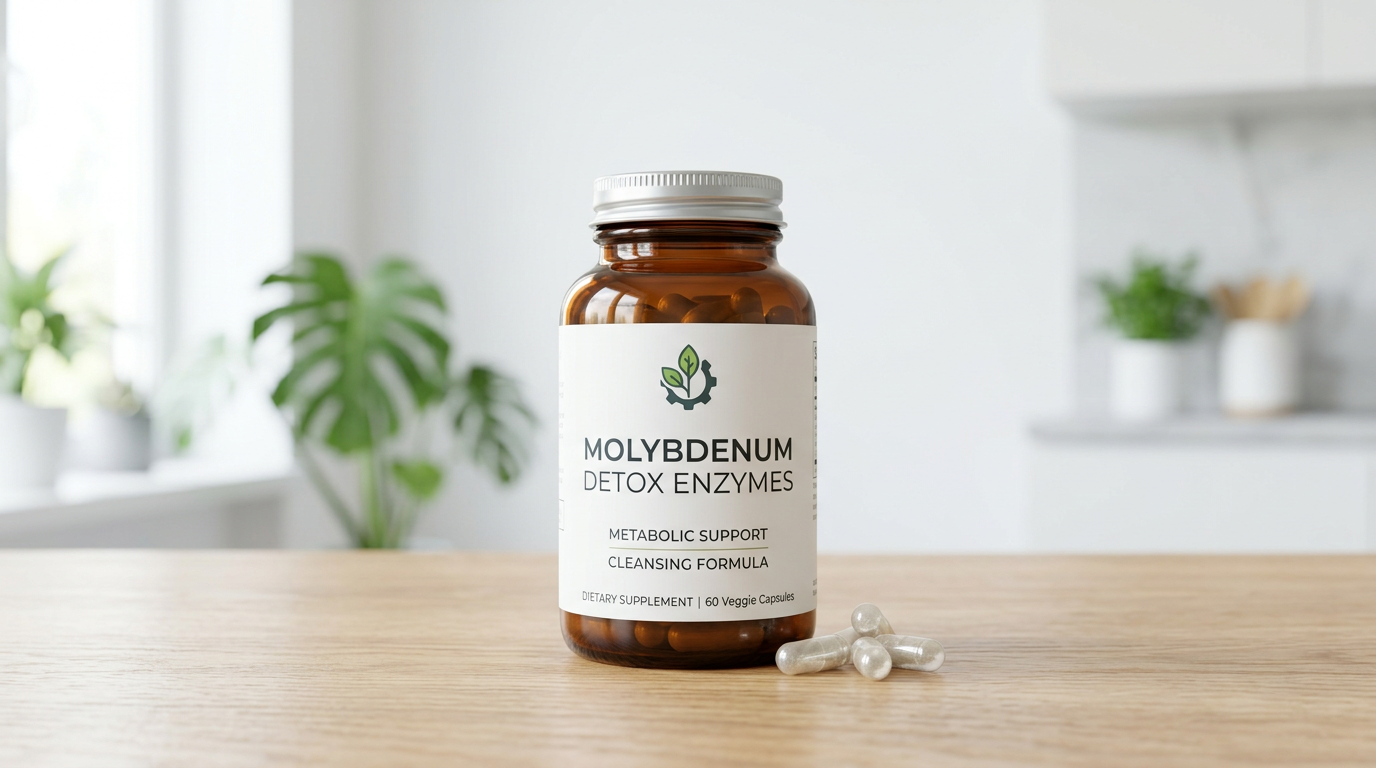
What is molybdenum
Molybdenum is an essential trace mineral that acts as a cofactor for several enzymes. These enzymes are involved in breaking down certain amino acids and in detoxification pathways (e.g. sulphite oxidase). The body needs only small amounts; most people get enough from food. Legumes, grains, nuts, and leafy vegetables are good sources. Deficiency in healthy people eating a varied diet is very rare. For mineral supplements including molybdenum you can browse molybdenum and related minerals on iHerb.
Role in enzymes and metabolism
Molybdenum is part of molybdenum cofactor (Moco), which is required by enzymes such as sulphite oxidase (sulphite to sulphate), xanthine oxidase (purine metabolism), and aldehyde oxidase. These support normal metabolism and help process certain compounds. Inborn errors of molybdenum cofactor are rare genetic conditions and are managed by specialists. For the general population, dietary molybdenum is sufficient.
Dietary sources and intake
Typical intake from food varies with soil content and diet; legumes (beans, lentils), whole grains, and nuts are among the richest sources. The recommended amount for adults is around 45 mcg per day; upper limits have been set to avoid excess. Most people do not need a molybdenum supplement; multivitamin-mineral products often contain a small amount.
When supplements might be used
Supplements are rarely needed unless there is a confirmed deficiency or a specific clinical situation (e.g. long-term parenteral nutrition). Taking high doses without indication is not recommended; excess molybdenum can affect copper metabolism. If you are considering a supplement, discuss with a healthcare provider or dietitian.
Takeaways
- Molybdenum is a trace mineral needed for several enzymes (e.g. sulphite oxidase, xanthine oxidase).
- Dietary sources include legumes, grains, nuts, and leafy vegetables; deficiency is very rare.
- Most people get enough from food; supplements are rarely necessary.
- Excess can interfere with copper; avoid high-dose supplementation without guidance.
Molybdenum supports normal enzyme function; prioritise food sources and use supplements only when indicated.
Evidence and Practical Tips
Research on supplements has grown over the past decades. Most studies focus on specific extracts, doses, and populations, so results are not always generalisable. Quality matters: choose products from reputable brands that disclose the plant or ingredient, standardisation where applicable, and dose per serving. Third-party testing (e.g. USP, NSF, ConsumerLab) when available adds assurance. Start with the lowest effective dose on the label and give any new supplement at least four to six weeks of consistent use before judging effect. Many factors influence how well a supplement works: your baseline status, diet, sleep, other medications, and lifestyle. Keeping a simple log of what you take and how you feel can help you and your provider decide whether to continue or adjust.
Supplements are not a substitute for a varied diet, adequate sleep, and regular physical activity. If you are pregnant, breastfeeding, or have a chronic condition, talk to your doctor before starting any new supplement. Children and older adults may need different doses; professional guidance ensures safety and appropriateness. Do not use supplements to replace diagnosis or treatment for medical or mental health conditions. When in doubt, a short conversation with a doctor, dietitian, or qualified herbalist can clarify whether a supplement is right for you and how to use it safely. Store supplements in a cool, dry place away from direct sunlight and keep them out of reach of children. Check the expiry date and discard any product that has changed in colour, smell, or texture.
Individual response to supplements varies. Some people notice benefits within a few weeks; others need longer or may not notice a clear effect. Genetics, diet, stress, and medication use all play a role. If you take multiple supplements, be aware of possible interactions and avoid exceeding upper limits for vitamins and minerals. Reading labels and staying within recommended doses is essential. When combining herbs or new ingredients, introduce one at a time so you can identify any adverse reactions. A balanced approach—sleep, nutrition, movement, and stress management—remains the foundation; supplements can support but not replace these habits.
In summary, informed choices about supplements support your health goals when combined with lifestyle and professional advice. Give new supplements time to show effect; consistency and patience often matter more than quick fixes. Your healthcare provider can help you tailor intake to your individual needs and avoid interactions with medications or other supplements.
Evidence and Practical Tips
Research on supplements has grown over the past decades. Most studies focus on specific extracts, doses, and populations, so results are not always generalisable. Quality matters: choose products from reputable brands that disclose the plant or ingredient, standardisation where applicable, and dose per serving. Third-party testing (e.g. USP, NSF, ConsumerLab) when available adds assurance. Start with the lowest effective dose on the label and give any new supplement at least four to six weeks of consistent use before judging effect. Many factors influence how well a supplement works: your baseline status, diet, sleep, other medications, and lifestyle. Keeping a simple log of what you take and how you feel can help you and your provider decide whether to continue or adjust.
Supplements are not a substitute for a varied diet, adequate sleep, and regular physical activity. If you are pregnant, breastfeeding, or have a chronic condition, talk to your doctor before starting any new supplement. Children and older adults may need different doses; professional guidance ensures safety and appropriateness. Do not use supplements to replace diagnosis or treatment for medical or mental health conditions. When in doubt, a short conversation with a doctor, dietitian, or qualified herbalist can clarify whether a supplement is right for you and how to use it safely. Store supplements in a cool, dry place away from direct sunlight and keep them out of reach of children. Check the expiry date and discard any product that has changed in colour, smell, or texture.
Individual response to supplements varies. Some people notice benefits within a few weeks; others need longer or may not notice a clear effect. Genetics, diet, stress, and medication use all play a role. If you take multiple supplements, be aware of possible interactions and avoid exceeding upper limits for vitamins and minerals. Reading labels and staying within recommended doses is essential. When combining herbs or new ingredients, introduce one at a time so you can identify any adverse reactions. A balanced approach—sleep, nutrition, movement, and stress management—remains the foundation; supplements can support but not replace these habits.
In summary, informed choices about supplements support your health goals when combined with lifestyle and professional advice. Give new supplements time to show effect; consistency and patience often matter more than quick fixes. Your healthcare provider can help you tailor intake to your individual needs and avoid interactions with medications or other supplements.