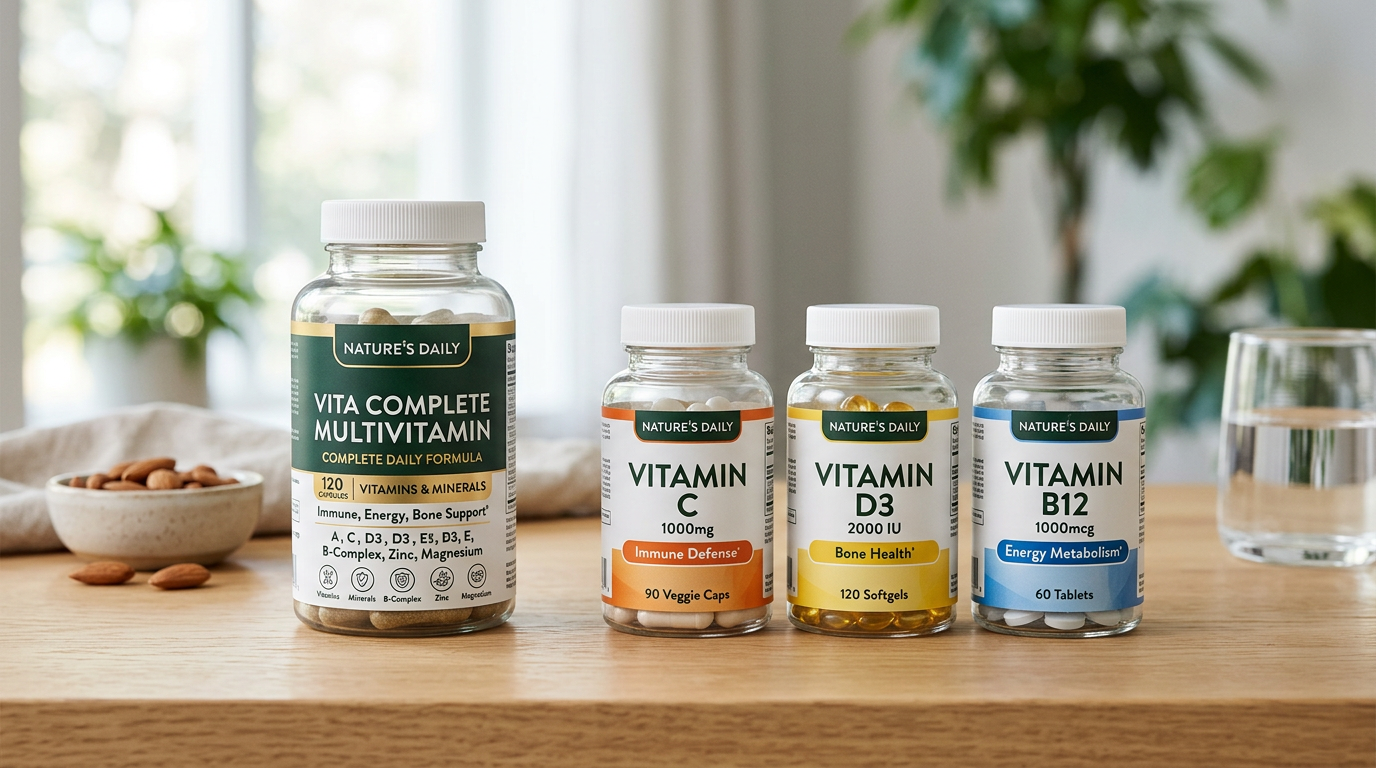
Overview
This guide covers the main evidence and practical use of Multivitamin Vs Individual. Understanding the basics helps you make informed choices about technique, timing, and when supplements may support your goals. We summarize what research shows and how to apply it safely. Whether you are an athlete, someone managing a specific condition, or simply aiming to optimize your routine, having a clear picture of the evidence helps you avoid hype and focus on what works. We have structured the guide so you can skim the summaries or read in depth depending on your time and goals. Where numbers or doses are mentioned, they are intended as general reference ranges, not prescriptions.
The following sections outline key concepts, dosing or technique, food or lifestyle sources, and when supplements may be useful. Always consider your own health context and, when in doubt, consult a healthcare provider or qualified coach for personalized advice. Many questions in nutrition and training science remain open; we highlight where the evidence is strong and where it is still evolving so you can decide with your eyes open. No single article can replace individualized advice. Use this guide as a starting point to ask better questions and to understand the trade-offs. Combining reliable information with your own experience and professional guidance typically leads to the best outcomes.
Key Concepts and Evidence
Scientific studies have clarified how Multivitamin Vs Individual works in practice and under what conditions it may be beneficial. Quality of evidence varies by outcome; we focus on consistent findings and areas where more research is needed. Practical recommendations are based on current guidelines and expert consensus where available. It is important to distinguish between strong evidence from randomized trials and weaker evidence from observational studies or small trials. We note where results are mixed or limited so you can make informed decisions. As new research emerges, guidelines may be updated; staying with reputable sources helps you keep up with changes. Do not rely on single studies or headlines; look for patterns across multiple studies and consensus statements. In areas where evidence is still limited, a cautious approach and discussion with your provider is sensible.
Dosing and Timing
Optimal dosing or progression depends on goals, experience, and other factors. We outline evidence-based ranges and suggest how to time intake or sessions when relevant. Start at the lower end and adjust as needed; consult a healthcare provider or coach for individualized advice. Many people benefit from consistency rather than aggressive short-term changes. Timing around training or specific meals can matter for some outcomes; we summarize what the data show. Avoid exceeding upper limits from the literature unless under professional supervision. Documenting your intake and response can help you and your provider fine-tune over time. If you take other medications or have health conditions, discuss supplementation with your doctor to avoid interactions or contraindications. Some people respond quickly to changes; others need several weeks to notice a difference. Patience and consistency are often as important as the dose itself.
Food Sources and Supplements
Many people can meet needs through diet and lifestyle alone; we list common sources and how to combine them. When diet falls short or convenience matters, supplements can help. Choose products with third-party testing and clear labeling. Whole foods provide not only the nutrient in question but often other beneficial compounds and fiber; prioritize food first and use supplements to fill gaps. A balanced diet remains the foundation; supplements are exactly that — supplemental. They can help when intake from food is low, when needs are high, or when convenience is a factor, but they do not replace a varied and adequate diet. When selecting a supplement, look for forms that are well absorbed and match the doses used in studies. Avoid unnecessary additives and mega-doses unless there is a clear rationale. Quality varies by brand, so checking for certifications and reviews is worthwhile.
Summary
Key takeaways: prioritize whole foods and sound technique, use evidence-based doses, and consider supplements when appropriate. Speak with a doctor or dietitian for personalized plans. Tracking your intake and how you feel can help you optimize over time. Remember that individual needs vary; what works for one person may need adjustment for another. Stay within safe upper limits and report any side effects to your healthcare provider. Building sustainable habits usually beats short-term extremes; small consistent steps often lead to better long-term outcomes than aggressive protocols that are hard to maintain. Revisit your approach periodically as your goals or circumstances change, and keep an eye on new research from trusted sources so you can adjust when the evidence evolves.
Evidence and Practical Tips
Research on supplements has grown over the past decades. Most studies focus on specific extracts, doses, and populations, so results are not always generalisable. Quality matters: choose products from reputable brands that disclose the plant or ingredient, standardisation where applicable, and dose per serving. Third-party testing (e.g. USP, NSF, ConsumerLab) when available adds assurance. Start with the lowest effective dose on the label and give any new supplement at least four to six weeks of consistent use before judging effect. Many factors influence how well a supplement works: your baseline status, diet, sleep, other medications, and lifestyle. Keeping a simple log of what you take and how you feel can help you and your provider decide whether to continue or adjust.
Supplements are not a substitute for a varied diet, adequate sleep, and regular physical activity. If you are pregnant, breastfeeding, or have a chronic condition, talk to your doctor before starting any new supplement. Children and older adults may need different doses; professional guidance ensures safety and appropriateness. Do not use supplements to replace diagnosis or treatment for medical or mental health conditions. When in doubt, a short conversation with a doctor, dietitian, or qualified herbalist can clarify whether a supplement is right for you and how to use it safely. Store supplements in a cool, dry place away from direct sunlight and keep them out of reach of children. Check the expiry date and discard any product that has changed in colour, smell, or texture.
Individual response to supplements varies. Some people notice benefits within a few weeks; others need longer or may not notice a clear effect. Genetics, diet, stress, and medication use all play a role. If you take multiple supplements, be aware of possible interactions and avoid exceeding upper limits for vitamins and minerals. Reading labels and staying within recommended doses is essential. When combining herbs or new ingredients, introduce one at a time so you can identify any adverse reactions. A balanced approach—sleep, nutrition, movement, and stress management—remains the foundation; supplements can support but not replace these habits.
In summary, informed choices about supplements support your health goals when combined with lifestyle and professional advice. Give new supplements time to show effect; consistency and patience often matter more than quick fixes. Your healthcare provider can help you tailor intake to your individual needs and avoid interactions with medications or other supplements.