Why the Gut Barrier Matters for Immunity
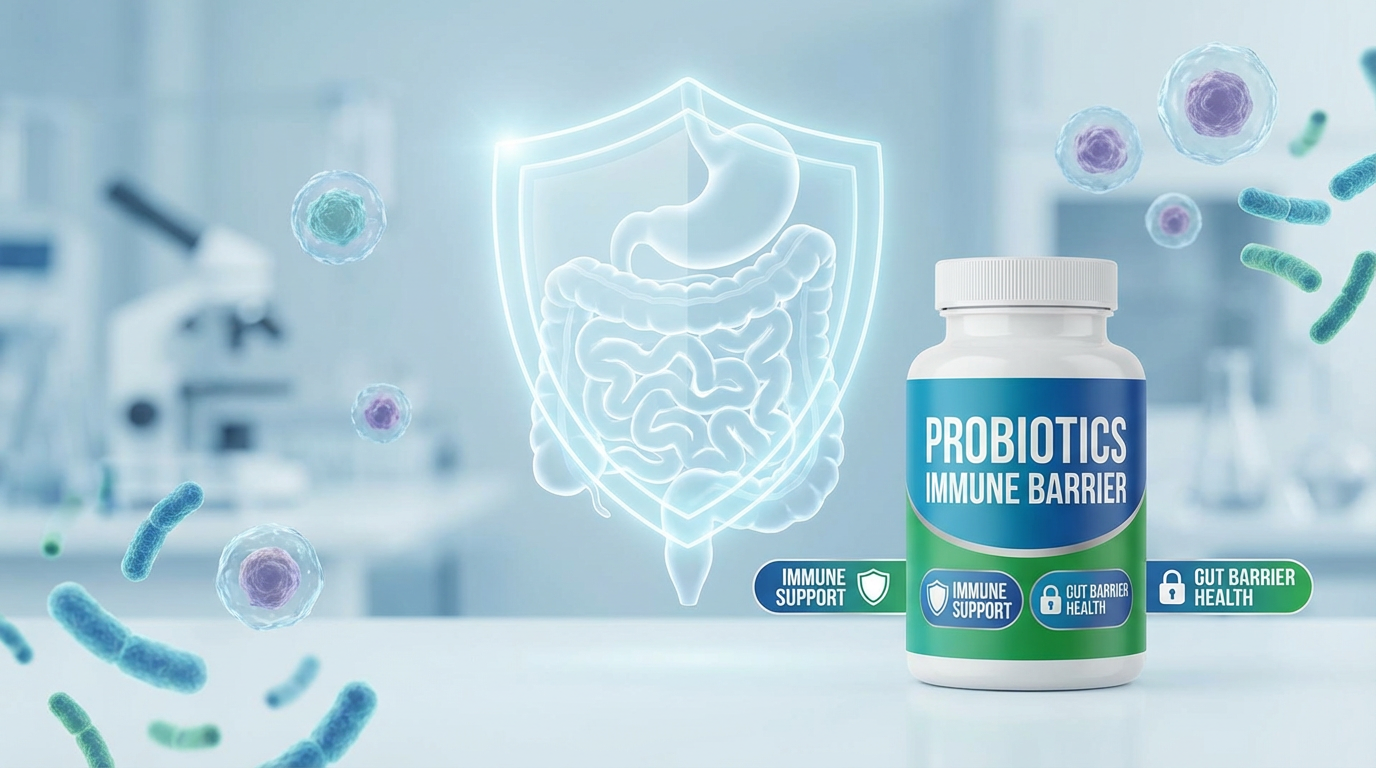
The gut lining is one of the body''s largest interfaces with the outside world. A healthy intestinal barrier helps keep pathogens and harmful substances out while allowing nutrients in. The gut-associated lymphoid tissue (GALT) and the microbiome both shape immune responses—locally and systemically. From a CNS and dietitian perspective, supporting the barrier through diet, lifestyle, and, when appropriate, evidence-based probiotics can be part of a holistic approach to immune health. No supplement replaces a varied diet, adequate sleep, or medical treatment when needed.
What the Evidence Shows
Research on probiotics and immune outcomes is mixed: some strains and combinations show modest benefits for reducing upper respiratory tract infection incidence or duration in certain populations; others show little effect. Benefits tend to be strain- and dose-dependent. Lactobacillus and Bifidobacterium strains are most studied. Probiotics may support barrier function by competing with pathogens, supporting tight-junction integrity, and modulating local immune signaling. Evidence is stronger for gut health (e.g., antibiotic-associated diarrhea, some IBS aspects) than for broad “immunity boosting”; think of probiotics as one potential tool, not a guarantee.
Strains, Dosing, and Form
When choosing a probiotic for immune or barrier support, look for products that specify strain (e.g., Lactobacillus rhamnosus GG, Bifidobacterium lactis BB-12) and provide adequate colony-forming units (CFUs)—often in the billions per serving. Multi-strain products are common; some studies suggest synergy, but more is not always better. Take probiotics consistently; effects, if any, tend to build over weeks. Storage matters: many products require refrigeration to maintain viability. Enteric-coated or shelf-stable formulations can be convenient if they have demonstrated stability.
Prebiotics and the Barrier
Prebiotic fibers (e.g., inulin, fructooligosaccharides, resistant starch) feed beneficial bacteria and may support barrier integrity and short-chain fatty acid production. A diet rich in vegetables, legumes, and whole grains naturally provides prebiotics. Combining prebiotics with probiotics (synbiotics) is an area of growing interest; some formulations may enhance colonization or effect. Again, food first: dietary fiber and variety do more for most people than high-dose prebiotic supplements alone.
Who Might Benefit and Who Should Be Cautious
People with frequent infections, those on antibiotics, or those seeking general gut-immune support might consider a trial of a well-studied probiotic after discussing with a healthcare provider. Immunocompromised individuals, critically ill patients, or those with central lines should use probiotics only under medical supervision—rare but serious infections have been reported. If you have SIBO or severe gut dysbiosis, work with a clinician before adding high-dose or multi-strain products.
Lifestyle and Diet: The Foundation
Sleep, stress management, and a varied, fiber-rich diet have the strongest impact on gut barrier and immune function. Chronic stress and poor sleep can impair barrier integrity and immune regulation. Probiotics are a complement, not a replacement. Prioritize whole foods, adequate hydration, and consistent sleep before relying on supplements.
Practical Takeaways
- Barrier first: Diet, sleep, and stress management support the gut barrier and immunity more than any single supplement.
- Strain and dose: Choose products with identified strains and adequate CFUs; consistency matters more than megadoses.
- Evidence: Effects are modest and population-dependent; probiotics may help some people, not everyone.
- Safety: In immunocompromised or seriously ill individuals, use only with medical guidance.
Probiotics can be a useful part of immune and barrier support when chosen wisely and combined with a healthy lifestyle—not as a stand-alone solution.