What Is Rhodiola?
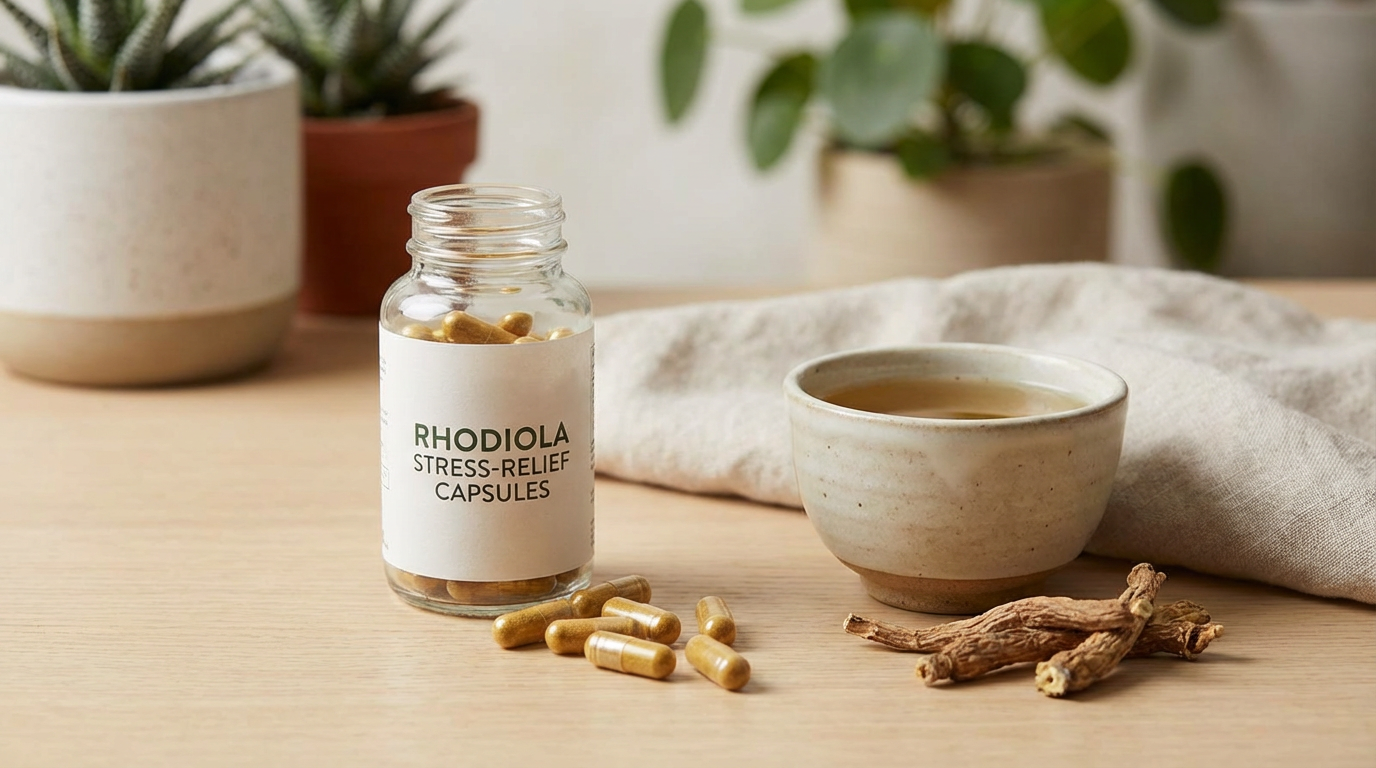
Rhodiola rosea is an adaptogenic herb that grows in cold, high-altitude regions. Adaptogens are thought to help the body adapt to stress — physical, mental, or environmental — without overstimulating. Rhodiola has a long history in traditional medicine for supporting energy, focus, and resilience. Modern research suggests it may help reduce fatigue, improve mood and performance under stress, and support mental stamina. It is not a stimulant like caffeine; effects are typically more subtle and sustained.
How Rhodiola May Support Stress and Stamina
Rhodiola may influence stress-response pathways and neurotransmitters involved in mood and energy. Studies have looked at its effects on fatigue, cognitive performance, and physical endurance; results are promising but not uniform. Many people take it for mental clarity during demanding periods or for a gentle lift in energy without the crash of caffeine. It is often used in the morning or before challenging tasks rather than at night, as it can be mildly activating for some.
Dosing and Timing
Typical doses are 200–400 mg of standardised extract (often 3% rosavins and 1% salidroside) once daily, usually in the morning or early afternoon. Taking it later may interfere with sleep in sensitive individuals. Cycle use if you take it long-term (e.g. 8–12 weeks on, 1–2 weeks off) to maintain responsiveness; not everyone needs to cycle, but it can help. Follow product labels and start at the lower end to assess tolerance.
Who Might Benefit?
People under sustained mental or physical stress, those who feel fatigued or mentally drained, or anyone wanting a non-caffeine option for focus and endurance may consider rhodiola. It is not a substitute for sleep, rest, or addressing the root causes of stress; use it as support while you manage workload, recovery, and lifestyle. If you have anxiety, bipolar disorder, or take medications that affect mood or blood pressure, check with a doctor before use.
Safety and Interactions
Rhodiola is generally well tolerated. Possible side effects include mild dizziness, dry mouth, or restlessness in some people. It may interact with antidepressants, stimulants, or blood pressure medications, so discuss use with a healthcare provider if you take any of these. Do not combine with other strong stimulants in excess. Pregnant or nursing women should avoid unless advised otherwise by a professional.
Summary
- What it is: Adaptogenic herb; supports stress resilience, energy, and mental stamina.
- Use: 200–400 mg standardised extract, typically in the morning; consider cycling long-term.
- Best for: Fatigue, mental demand, endurance — as support, not replacement for rest.
- Safety: Generally safe; check with a doctor if on mood or blood pressure medications.
Rhodiola for stress and stamina is a useful adaptogen when used sensibly alongside good sleep and stress management.
Evidence and Practical Tips
Research in this area has grown over the past decades. Most studies focus on specific extracts, doses, and populations, so results are not always generalisable. Quality matters: choose products from reputable brands that disclose ingredients and dose per serving. Third-party testing (e.g. USP, NSF, ConsumerLab) when available adds assurance. Start with the lowest effective dose on the label and give any new supplement at least four to six weeks of consistent use before judging effect. Many factors influence how well a supplement works: your baseline status, diet, sleep, and lifestyle. Keeping a simple log of what you take and how you feel can help you and your provider decide whether to continue or adjust.
Supplements are not a substitute for a varied diet, adequate sleep, and regular physical activity. If you are pregnant, breastfeeding, or have a chronic condition, talk to your doctor before starting any new supplement. Do not use supplements to replace diagnosis or treatment for medical conditions. When in doubt, a short conversation with a doctor or dietitian can clarify whether a supplement is right for you and how to use it safely. Compare options at herbs on iHerb or adaptogens as needed.
Evidence and Practical Tips
Research in this area has grown over the past decades. Most studies focus on specific extracts, doses, and populations, so results are not always generalisable. Quality matters: choose products from reputable brands that disclose ingredients and dose per serving. Third-party testing (e.g. USP, NSF, ConsumerLab) when available adds assurance. Start with the lowest effective dose on the label and give any new supplement at least four to six weeks of consistent use before judging effect. Many factors influence how well a supplement works: your baseline status, diet, sleep, and lifestyle. Keeping a simple log of what you take and how you feel can help you and your provider decide whether to continue or adjust.
Supplements are not a substitute for a varied diet, adequate sleep, and regular physical activity. If you are pregnant, breastfeeding, or have a chronic condition, talk to your doctor before starting any new supplement. Do not use supplements to replace diagnosis or treatment for medical conditions. When in doubt, a short conversation with a doctor or dietitian can clarify whether a supplement is right for you and how to use it safely. Compare options at herbs on iHerb or adaptogens as needed.