Adaptogens are a class of herbs and fungi that may help the body adapt to stress — physical, mental, or environmental — and support balance without overstimulating or sedating. They have been used in traditional medicine for centuries and are now popular in supplements and teas. This guide covers what adaptogens are, how they may help, how to choose and dose them, how to use them safely, and how to combine them with sleep, diet, and stress management. For product comparison, see adaptogen supplements and herbal extracts.
What Are Adaptogens?
Adaptogens are plants or fungi that are thought to support the body's ability to cope with stress and maintain homeostasis. They are not stimulants (like caffeine) and not sedatives; instead, they are thought to modulate the stress-response system, often the HPA axis, so that you can perform under load without crashing or staying wired. Common adaptogens include ashwagandha, rhodiola, eleuthero (Siberian ginseng), holy basil (tulsi), reishi, and schisandra. Effects vary by herb and person; they work best as part of a broader approach to sleep, diet, and stress.
How Adaptogens May Help
Research suggests that adaptogens may support resilience and balance. Some herbs may promote calm and sleep (e.g. ashwagandha); others may support energy and focus (e.g. rhodiola, eleuthero). Studies are growing but not uniform — some show benefits for fatigue, mood, or stress markers; others are inconclusive. Individual response varies. Use them as support, not as a replacement for rest, therapy, or medical care when needed.
Choosing an Adaptogen by Goal
Matching the herb to your goal improves the chance of a noticeable effect.
- Stress and calm: Ashwagandha and holy basil are often chosen. Ashwagandha is one of the most researched; many take it in the evening for recovery and sleep support.
- Energy and stamina: Rhodiola and eleuthero are commonly used for mental and physical stamina without the jittery feel of stimulants.
- Immune and overall balance: Reishi is traditionally used for immune support and general balance.
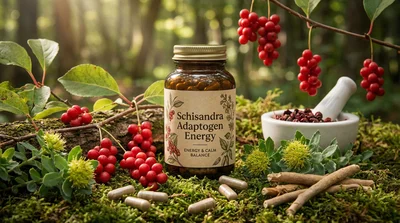
- Focus and endurance: Schisandra is used for mental endurance and stress resilience; it is sometimes combined with other adaptogens.
Try one at a time so you can see how you respond. Do not stack several new adaptogens at once.
Forms and Dosing
Adaptogens come as capsules, powders, tinctures, and teas. Capsules and standardized extracts make dosing straightforward. Follow the product label; typical ranges include 300–600 mg/day for ashwagandha root extract (e.g. KSM-66) and 200–400 mg/day for rhodiola (e.g. 3% rosavins), depending on the product. Start at the lower end and give it at least 2–4 weeks before judging. Consistency usually matters more than a single large dose. Take with food if needed to avoid stomach upset. Avoid taking multiple strong adaptogens at full dose at the same time until you know how each affects you.
Cycling: When to Take Breaks
Some people cycle adaptogens to maintain responsiveness and reduce the chance of tolerance or side effects. Common patterns: 5 days on / 2 days off, or 8–12 weeks on followed by 1–2 weeks off. Cycling is not mandatory for everyone, but it can help you notice whether the herb is still providing benefit. If you feel that effect has faded, a short break before resuming or switching can be useful.
Safety and Who Should Be Cautious
Adaptogens are generally well tolerated when used as directed. They can interact with medications that affect mood, blood pressure, blood sugar, or immunity. People with autoimmune conditions, thyroid disorders, or on immunosuppressants should discuss use with a doctor. Pregnant or nursing women should avoid most adaptogens unless advised otherwise. Do not use them to replace prescribed treatments for anxiety, depression, or chronic illness. If you have any health condition or take medication, get professional advice before starting.
Nutrition and Adaptogens: A Dietitian Perspective
From a nutrition standpoint, adaptogens work best when the rest of the diet supports recovery and balance. Key points:
- Protein and calories: Adequate protein and enough calories for your activity level support recovery and energy. Very low calorie or very low carb diets can increase fatigue and make it harder to see the benefit of adaptogens.
- Iron and B vitamins: Low iron or B12 can mimic chronic fatigue. If you are always tired, consider checking status with a clinician; adaptogens do not replace correcting deficiencies.
- Timing with meals: Taking adaptogens with food can improve tolerance and absorption for some people; follow the product and your own response.
Simple Stacks (Practical Examples)
Stacks work best when each ingredient has a clear role. Start with one adaptogen; add a second only if needed and after you know how the first one affects you.
Stack for stress and sleep
- Ashwagandha (evening)
- Optional: magnesium glycinate in the evening if tolerated
- Keep caffeine moderate and early in the day
Stack for energy and focus
- Rhodiola (morning or early afternoon)
- Optional: moderate caffeine if you use it
- Hydration and adequate carbs around training if you exercise
Stack for general balance
- Eleuthero or reishi in the morning
- Simple formula; avoid adding many new ingredients at once
Always prioritize sleep, nutrition, and recovery. Adaptogens support a good foundation; they rarely fix a broken one.
Quality: How to Pick an Adaptogen Product
Two products with the same herb name can differ in effect because of plant part, extraction, standardization, and dose per serving.
- Standardization: Look for extracts that state key compounds (e.g. withanolides for ashwagandha, rosavins for rhodiola). This supports consistency.
- Dose per serving: Compare milligrams per serving, not just number of capsules.
- Simple formulas first: Single-herb or simple blends are easier to evaluate than complex stacks.
- Reputable source: Buy from trusted retailers; you can compare options in the adaptogens category and herbs category and read labels before choosing.
Evidence Summary by Herb
Human data vary by herb and outcome. Brief overview:
- Ashwagandha: Several trials suggest benefits for perceived stress and sometimes sleep and fatigue. Quality and size of studies vary; effects are often modest.
- Rhodiola: Studied for fatigue and cognitive performance under stress; often used for mental stamina and mood support. Results depend on extract and dose.
- Eleuthero: Traditional use for stamina and vitality; human data are more limited. Often used long term at moderate dose.
- Holy basil (tulsi): Used in Ayurveda for stress and balance; modern trials are fewer but promising.
- Reishi: Traditionally used for immune and overall balance; evidence is mixed and often from smaller studies.
- Schisandra: Used for endurance and stress resilience; sometimes combined with other adaptogens.
Use this as a starting point, not as a guarantee. Individual response matters; give one herb a fair trial before switching or stacking.
Common Mistakes to Avoid
- Starting with several adaptogens at once — you cannot tell what works or causes side effects.
- Expecting instant results — many people need 2–6 weeks of consistent use.
- Using high doses from day one — start low and increase only if needed.
- Ignoring sleep and diet — adaptogens do not replace poor recovery habits.
- Replacing prescribed treatment with adaptogens — use them as support only, with medical guidance when needed.
When to See a Doctor
Adaptogens are not a substitute for medical care. See a doctor if you have persistent fatigue, low mood, anxiety, or sleep problems; if you have thyroid, autoimmune, or mental health conditions; or if you are on medication. A clinician can help you decide whether adaptogens are appropriate and how to use them safely alongside your health plan.
Summary
- What they are: Herbs and fungi that may support stress adaptation and balance.
- Examples: Ashwagandha (calm, sleep), rhodiola (energy, focus), eleuthero, holy basil, reishi, schisandra.
- Use: Match herb to goal; start low; consider cycling; give time to assess.
- Safety: Check with a doctor if on medications or have health conditions.
Adaptogens guide: choose by goal, use sensibly, and combine with sleep, nutrition, and stress management for best results.
FAQ
How long until I notice an effect?
Many people need 2–4 weeks of consistent use. Rhodiola is sometimes felt within days; ashwagandha often takes longer. Do not judge by a single day; track sleep, mood, and energy over time.
Can I take adaptogens with caffeine?
Yes, but start conservatively. If caffeine makes you anxious or disrupts sleep, reduce it first. Adaptogens support stability; they do not fix the cost of too much stimulation.
Do I need to cycle adaptogens?
Not everyone does. Cycling (e.g. 8 weeks on, 1–2 weeks off) can help maintain response and is often recommended for long-term use. If you notice effect fading, try a break.
Are adaptogens safe for everyone?
They are generally well tolerated when used as directed. People who are pregnant, breastfeeding, or have thyroid, autoimmune, or mood conditions, or who take prescription drugs, should check with a doctor first.
Quick reference: which adaptogen for which goal
Stress and calm: ashwagandha, holy basil. Energy and stamina: rhodiola, eleuthero. Immune and balance: reishi. Focus and endurance: schisandra. Start with one; give it 2–4 weeks; then adjust or try another. Combine with good sleep, nutrition, and stress management for best results.
Combining adaptogens with other supplements
If you already take vitamins, minerals, or other herbs, add adaptogens one at a time so you can see what each does. Avoid stacking multiple stimulating adaptogens (e.g. rhodiola and Panax ginseng) at full dose until you know your response. Calming adaptogens like ashwagandha are often combined with magnesium or L-theanine for sleep support; again, introduce one change at a time. When in doubt, keep the stack simple and give each new ingredient at least two weeks before adding another.
Dosing details by herb
Typical evidence-based ranges (follow the product label; these are for orientation only):
- Ashwagandha (root extract, e.g. KSM-66): 300–600 mg/day; often split or taken in the evening. Higher doses exist in studies but start low.
- Rhodiola (standardized, e.g. 3% rosavins): 200–400 mg/day; usually in the morning or early afternoon to avoid affecting sleep.
- Eleuthero: Dose depends heavily on form (capsule, tincture, tea); follow the product. Often used for 8–12 weeks with optional breaks.
- Holy basil (tulsi): Varies by product; teas and capsules are common. Follow label and start at the lower end.
- Reishi: Often 1–2 g of extract or equivalent; used long term. Quality and form vary; choose a reputable source.
Taking adaptogens with food can improve tolerance for some people; if you experience stomach upset, try with a meal. Do not exceed the upper end of the label dose without a clear reason; more is not always better and can increase the risk of side effects.
Takeaways and next steps
Adaptogens are a useful addition to a healthy lifestyle when chosen and used sensibly. Start with one herb matched to your goal (stress, energy, or balance), use the low end of the dose for at least 2–4 weeks, and track sleep, mood, and energy. Combine them with good sleep, nutrition, and stress management; they work best as support, not as a substitute for rest or medical care. Check with a doctor if you are on medication or have health conditions. For product comparison and labels, you can browse adaptogens and herbs and choose a standardized extract from a brand you trust.
Cycling is optional but useful for long-term use: for example, 8–12 weeks on and then 1–2 weeks off lets you see whether the herb is still helping. Many users report the best results when they pair adaptogens with fixed sleep and wake times, enough protein and calories, and some form of daily movement; herbs then add a small edge rather than carrying the full load. If you are new to adaptogens, start with ashwagandha for stress and sleep or rhodiola for energy and focus, and give it at least two to four weeks before judging or adding another herb. If you notice the effect fading, a short break often restores responsiveness. Final reminder: one adaptogen at a time, a stable sleep schedule, and adequate nutrition create the foundation on which these herbs work predictably and safely. Give each herb a fair trial before switching or stacking; that is the best way to see real results and avoid confusion.