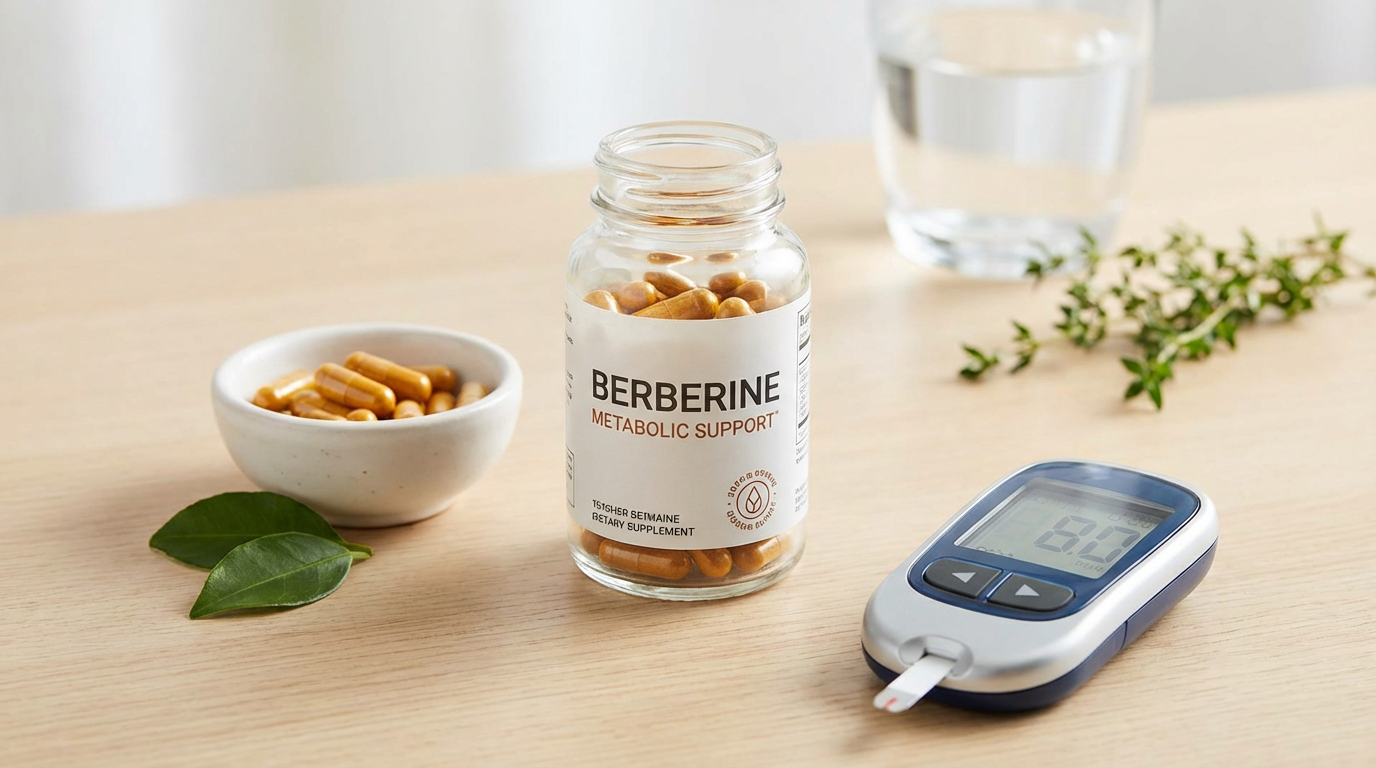
Berberine is a compound found in several plants, including goldenseal, barberry, and Oregon grape. It has a long history in traditional medicine and has been studied for its effects on blood sugar, lipids, and metabolic health. As a nutritionist, I see many people interested in berberine as a complementary approach to diet and lifestyle—not as a replacement for medication or medical care. This guide summarizes what the evidence shows, how to dose and time berberine, and when to be cautious.
For product options you can browse berberine supplements and herbal supplements on iHerb. Always choose reputable brands and discuss use with your doctor if you have diabetes, take prescription drugs, or are pregnant or breastfeeding.
What berberine may support (and what it cannot do)
What it may support: Many studies suggest berberine can help lower fasting and post-meal blood glucose and improve HbA1c in people with type 2 diabetes or prediabetes. Some research also points to benefits for LDL cholesterol and triglycerides. Mechanisms include activation of AMPK (an enzyme involved in energy and glucose metabolism), effects on gut bacteria, and improved insulin sensitivity. Results vary by person; not everyone responds the same way.
What it cannot do: Berberine is not a substitute for prescribed diabetes or cholesterol medication unless your doctor explicitly adjusts your plan. It does not replace a balanced diet, regular activity, sleep, or stress management. If you have type 1 diabetes, kidney or liver disease, or take multiple medications, professional guidance is essential before starting berberine.
How berberine may work (mechanisms)
Berberine appears to activate AMP-activated protein kinase (AMPK), which influences glucose uptake, lipid metabolism, and energy balance. It may also affect gut microbiota composition and reduce glucose absorption from the intestine. Some research suggests improvements in insulin sensitivity and pancreatic beta-cell function. These mechanisms are still being clarified; the takeaway is that berberine acts on multiple pathways relevant to blood sugar and metabolism, which may explain why it shows up in studies as a useful complementary agent.
Evidence: what research suggests
Meta-analyses and systematic reviews generally report modest to moderate improvements in fasting glucose, HbA1c, and sometimes lipids when berberine is used in addition to lifestyle or standard care. Study quality varies; many trials are short-term and conducted in specific populations. The overall pattern supports berberine as a complementary option for metabolic health when used under appropriate supervision. Single studies can overstate effects; look at the body of evidence and discuss with your provider.
Doses in research are often 500 mg two to three times daily (1,000–1,500 mg/day), usually with meals. Duration in trials ranges from several weeks to several months. Longer-term safety data are more limited, so periodic monitoring and doctor check-ins are sensible. Some trials compare berberine to metformin and find similar or slightly better glucose-lowering effects in certain groups; however, berberine should not be used as an unsupervised substitute for prescribed medication.
Duration and cycling
Many people use berberine for several months and then reassess with lab work. There is no universal rule for how long to take it; your doctor or dietitian can help decide based on your goals and response. Some practitioners suggest periodic breaks (e.g., a few weeks off every few months) to reassess need and tolerance; others use it continuously with monitoring. Document your doses and any side effects so you can share with your provider.
Frequently asked questions
Can I take berberine with metformin?
Some people use both under medical supervision, but combining glucose-lowering agents increases the risk of low blood sugar. Do not combine berberine with diabetes medication without your doctor's knowledge and approval.
Does berberine affect weight?
Some studies report modest weight or waist-circumference changes; the effect is not large or consistent. Berberine is not a weight-loss pill. Focus on diet and activity for sustainable weight management.
When should I take it?
With meals is standard—it aligns the supplement with food intake and may reduce stomach upset. Splitting the total daily dose across two or three meals is a common approach.
Dosing and timing: practical guidelines
Typical range: 500 mg two or three times per day with meals (total 1,000–1,500 mg/day) is the range most commonly used in studies. Starting at the lower end (e.g., 500 mg once daily with a meal) and increasing gradually can help assess tolerance.
Timing: Taking berberine with meals helps align its effect with food-derived glucose and may reduce gastrointestinal upset. Spreading doses across the day (e.g., breakfast, lunch, dinner) is a common approach.
Form: Most supplements are berberine HCl or berberine from botanical extracts. Standardized extracts ensure consistent berberine content per dose. Products such as berberine capsules or vegetarian berberine are widely available; choose a brand with clear labeling and, if possible, third-party testing.
Safety and side effects
Berberine is generally well tolerated at common doses. The most frequent side effects are gastrointestinal: gas, bloating, loose stools, or stomach discomfort. Taking it with food and starting at a low dose often reduces these issues. Some people experience mild cramping; reducing the dose or splitting it further can help.
Interactions: Berberine can interact with drugs metabolized by the same liver enzymes (e.g., some statins, blood sugar medications, immunosuppressants). It may also affect blood pressure and blood sugar. If you take prescription or over-the-counter medications, or have heart, liver, or kidney conditions, talk to your doctor before starting berberine.
Pregnancy and breastfeeding: Berberine is not recommended during pregnancy or while breastfeeding due to limited safety data and potential concerns. Avoid unless under direct medical supervision.
Who might benefit (and who should be cautious)
Adults with prediabetes or type 2 diabetes who are already following a diet and lifestyle plan and are under medical care may consider berberine as a complementary option after discussing with their doctor. People focused on metabolic health, lipids, or blood sugar stability may also be interested. Those with type 1 diabetes, significant liver or kidney disease, or who are pregnant or breastfeeding should avoid berberine or use only with explicit medical guidance. Children and adolescents should not use berberine unless prescribed by a healthcare provider.
Combining berberine with diet and lifestyle
Berberine works best as part of a broader approach. A diet rich in fiber, vegetables, and balanced carbohydrates, combined with regular physical activity and adequate sleep, supports metabolic health. Berberine can complement these foundations but does not replace them. If you are working with a dietitian or diabetes educator, share that you are considering or using berberine so they can align it with your meal plan and medications.
Monitoring and when to see a doctor
If you use berberine for blood sugar or lipids, periodic lab work (e.g., fasting glucose, HbA1c, lipid panel) helps track response. Your doctor can interpret results and adjust medications or supplements as needed. Stop berberine and seek medical advice if you develop severe digestive symptoms, unusual fatigue, muscle pain (especially with statins), or any signs of low blood sugar (shakiness, confusion, sweating). Do not stop prescribed diabetes or cholesterol medication without your doctor's approval.
Quality and choosing a product
Look for products that state berberine content per serving (e.g., 500 mg berberine HCl or equivalent). Prefer brands that use third-party testing (e.g., NSF, USP, ConsumerLab) for identity and purity. Avoid mega-doses or combination products with many unstudied ingredients unless recommended by your provider. Store supplements in a cool, dry place and check the expiration date.
Duration and cycling: how long to take berberine
Many people use berberine for several months and then reassess with lab work. There is no universal rule for how long to take it; your doctor or dietitian can help decide based on your goals and response. Some practitioners suggest periodic breaks (e.g., a few weeks off every few months) to reassess need and tolerance; others use it continuously with monitoring. Document your doses and any side effects so you can share with your provider. If you achieve target glucose or lipid levels, you and your doctor may decide to continue at a maintenance dose, reduce, or take a break and recheck later.
Berberine vs metformin and other glucose-lowering agents
Some trials compare berberine to metformin and find similar or slightly better glucose-lowering effects in certain groups. However, berberine should not be used as an unsupervised substitute for prescribed medication. Metformin has decades of long-term safety and outcome data; berberine has a smaller evidence base. If you are considering berberine in addition to or instead of medication, that decision must be made with your doctor. Combining berberine with diabetes medication increases the risk of low blood sugar; do not combine without medical supervision.
Gut health and microbiome
Berberine may affect gut microbiota composition, which could partly explain its metabolic effects. Some people notice changes in digestion when starting berberine; taking it with food and starting at a low dose often helps. If you have a history of digestive disorders (e.g., SIBO, IBS), discuss berberine with your provider, as it can have antimicrobial effects in the gut. Long-term effects on the microbiome are still being studied; for now, the practical takeaway is to use evidence-based doses and monitor tolerance.
When to expect results and how to track
Glucose and lipid responses to berberine typically take several weeks to become apparent. Fasting glucose and HbA1c are commonly used to track response; your doctor may also order a lipid panel. Keep a simple log of your dose, timing, and any side effects so you can correlate with lab results. Do not expect overnight changes; give at least 4–8 weeks of consistent use at an adequate dose before judging effect. If there is no improvement or you experience persistent side effects, your provider can help adjust the plan.
Summary and key takeaways
- Berberine may support blood sugar and lipid levels as a complement to diet, lifestyle, and medical care; it is not a replacement for prescribed medication.
- Common dosing: 500 mg two to three times daily with meals (1,000–1,500 mg/day); start low and increase gradually to assess tolerance.
- Side effects are often GI-related; taking with food and splitting doses can help. Discuss interactions with your doctor if you take other medications.
- Do not use during pregnancy or breastfeeding; avoid or use with caution in type 1 diabetes and significant liver or kidney disease.
- Periodic monitoring and doctor check-ins are recommended when using berberine for metabolic health.
Used wisely and under appropriate supervision, berberine can be a useful part of a metabolic health strategy alongside a balanced diet, regular activity, and medical care. If you have prediabetes or type 2 diabetes, work with your doctor to set targets for glucose and lipids, and use berberine as one tool among diet, activity, sleep, and any prescribed medication. Track your doses and any side effects in a simple log so you can share with your provider at follow-up visits. Quality supplements with clear berberine content and third-party testing are widely available; choose a reputable brand and store in a cool, dry place. Revisit the need for berberine periodically as your health and medications may change over time. Do not use berberine to replace prescribed drugs unless your doctor explicitly adjusts your plan. If you notice any signs of low blood sugar (shakiness, sweating, confusion), treat with fast-acting carbohydrate and inform your doctor. Berberine is a complementary option, not a standalone treatment; combine it with the foundations of metabolic health for the best outcome. If you are taking berberine for lipids, have your lipid panel rechecked after 8–12 weeks so your doctor can see the trend and adjust any statin or other medication if needed. Berberine and statins can interact via shared metabolic pathways, so medical supervision is important when using both. For most people, a balanced diet rich in fiber and vegetables, regular physical activity, and adequate sleep remain the core of metabolic health; berberine is a useful add-on when used under appropriate guidance and with periodic monitoring. Summary: berberine may support blood sugar and lipids as a complement to lifestyle and medical care; dose 1,000–1,500 mg/day in divided doses with meals; monitor with your doctor and do not use in place of prescribed medication without explicit approval.