What Is Fenugreek?
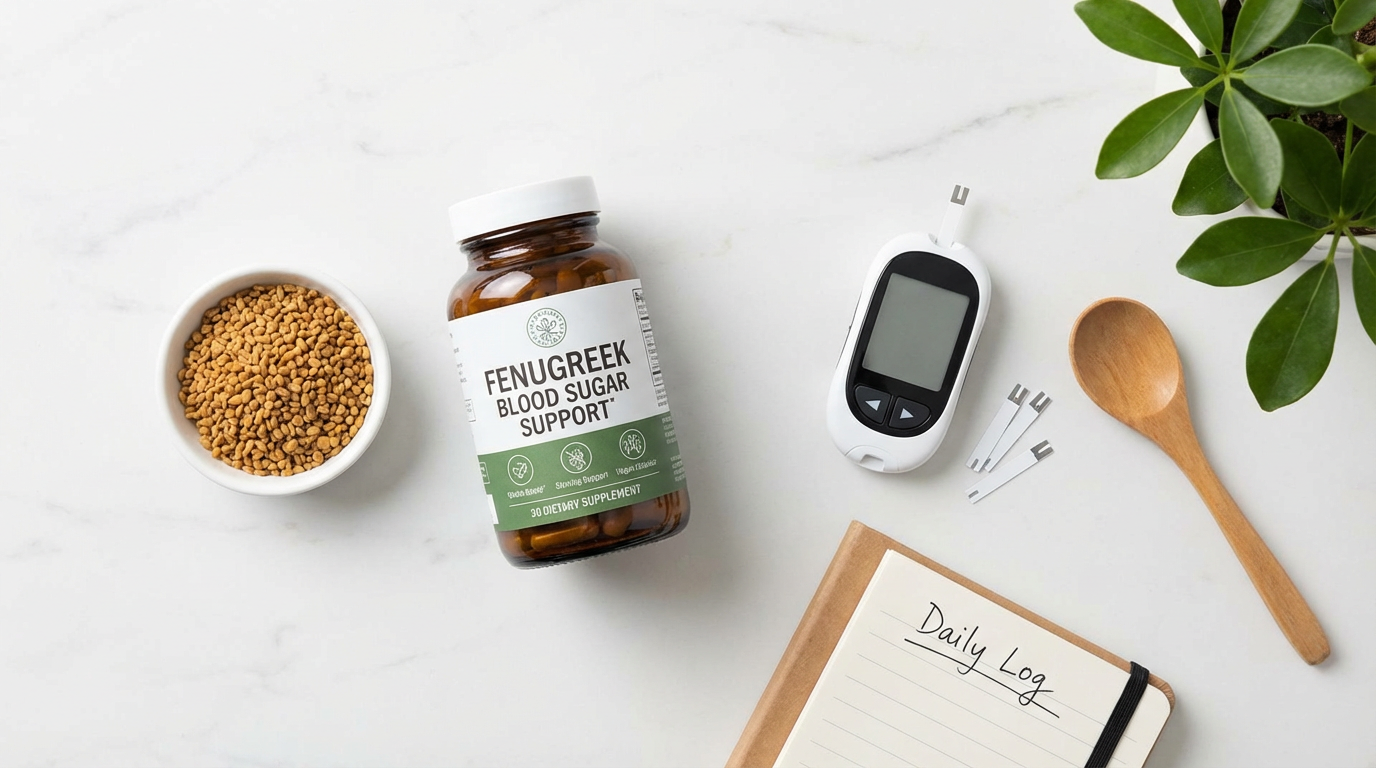
Fenugreek (Trigonella foenum-graecum) is an annual herb whose seeds (and sometimes leaves) have been used for centuries in Mediterranean, Indian, and Middle Eastern tradition for digestion, appetite, and blood sugar. Herbalists and modern research focus on its soluble fibre (galactomannan) and compounds that may slow carbohydrate absorption and support insulin sensitivity. Human trials on blood sugar show promising but mixed results; effects tend to be modest and work best alongside diet and lifestyle. This guide covers traditional use, what the evidence suggests, and how to use fenugreek safely—especially if you have diabetes or take blood sugar medication.
Fenugreek and Blood Sugar
Fenugreek seeds are rich in soluble fibre, which can slow gastric emptying and the absorption of glucose, potentially blunting post-meal blood sugar spikes. Some studies also suggest improved insulin sensitivity or lower fasting glucose with regular fenugreek use. Results vary by dose, form (whole seed, powder, extract), and population; people with type 2 diabetes or prediabetes are the most studied. Fenugreek is not a substitute for medication or diet change—it may complement them when used under professional guidance. If you have diabetes, always work with your doctor or dietitian before adding fenugreek; it can interact with diabetes drugs and affect blood sugar.
Traditional Uses Beyond Blood Sugar
Fenugreek has long been used to support appetite (especially in convalescence), digestion, and lactation. Topically, seed paste has been used for skin comfort. This guide focuses on blood sugar; for lactation or other uses, consult a qualified herbalist or clinician. Many of these uses are not fully supported by modern trials but remain part of traditional practice.
Forms and Dosing
Fenugreek is available as whole seeds (soaked or ground), powder, capsules, and liquid extract. For blood sugar support, typical doses in studies range from 5–25 g of defatted seed powder daily, often divided with meals, or 1–2 g of standardised extract. Soaking or cooking seeds can reduce bitterness and improve digestibility. Start at the lower end and increase gradually to avoid digestive upset; fenugreek can cause gas and loose stools in some people. Quality varies—choose a reputable brand; seeds and powder should be stored in a cool, dry place.
Safety and Interactions
Fenugreek is generally well tolerated in culinary and moderate supplemental doses. Possible side effects include digestive upset, gas, diarrhoea, and a maple-like odour in sweat or urine (harmless). It may lower blood sugar—important for people on diabetes medication; hypoglycaemia is possible if combined with drugs or skipped meals. It can interact with anticoagulants and may affect thyroid function in large amounts. Not recommended in pregnancy (uterine stimulation) or in children without professional guidance. Allergic reactions are rare but possible. If you take any prescription medication, especially for diabetes or blood thinning, check with your doctor or pharmacist before using fenugreek.
Summary
- Fenugreek is a traditional herb used for blood sugar, digestion, and appetite.
- Blood sugar: Soluble fibre and other compounds may slow glucose absorption and support insulin sensitivity; evidence mixed but promising.
- Use: Complements—does not replace—diet, lifestyle, and any medication; coordinate with your doctor if you have diabetes.
- Forms: Seeds, powder, capsules, extract; typical dose 5–25 g powder or 1–2 g extract daily, often with meals.
- Safety: Generally safe in moderate doses; caution with diabetes and blood-thinning drugs, pregnancy; may cause gas or odour.
For personalised advice on herbs and blood sugar, consult a qualified herbalist or your doctor.