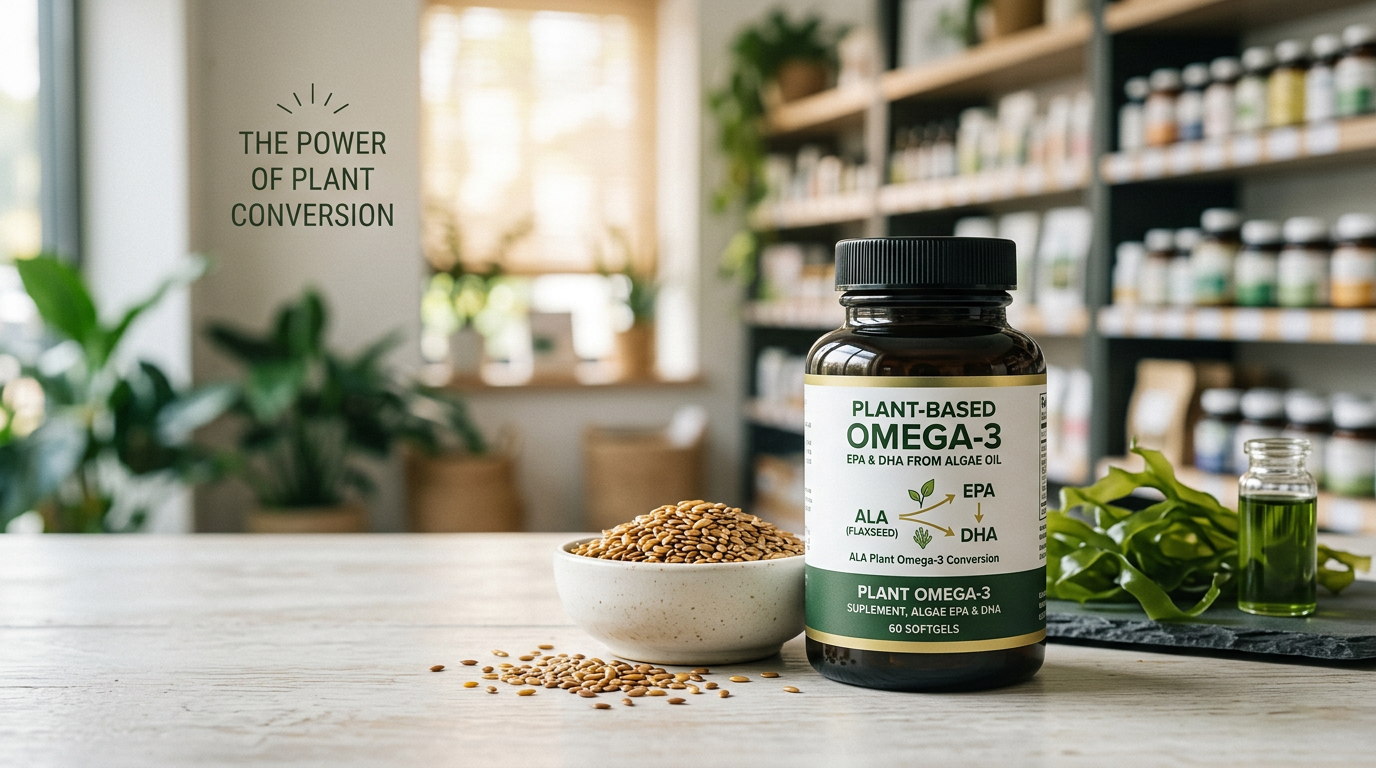
If you eat flax, chia, walnuts, or hemp, you already know the headline: these foods contain ALA (alpha-linolenic acid), a plant omega-3. The question is what happens next. Your body can convert ALA into the longer-chain omega-3 fats EPA and DHA, which are strongly linked to heart, brain, and eye health. But conversion is limited and highly variable, which is why some people do great with plant omega-3 alone and others benefit from algae or fish oil.
This guide explains how the conversion pathway works, why it is often low, what factors can improve or reduce it, and how to make a practical choice if you are plant-based, mixed diet, pregnant, training hard, or trying to improve lipid markers.
ALA vs EPA vs DHA: what is the difference?
All three are omega-3 fats, but they act differently in the body.
- ALA (alpha-linolenic acid): the main plant omega-3. Common sources are flaxseed, chia, walnuts, and hemp.
- EPA (eicosapentaenoic acid): found mainly in marine sources (fish, krill, algae). EPA is strongly tied to triglyceride lowering and inflammation signaling pathways.
- DHA (docosahexaenoic acid): also mainly marine. DHA is a key structural fat in the brain and retina and is important in pregnancy and early life.
ALA is essential because you must get omega-3 fats from the diet. EPA and DHA are not strictly essential for everyone in the same way, because you can make some from ALA, but the practical question is whether your conversion is enough for your goals.
How conversion works (in plain language)
Conversion is a stepwise process. ALA is transformed through a series of enzyme steps into EPA, and EPA can be further transformed into DHA. The rate-limiting steps involve enzymes that also process omega-6 fats. That matters because a high omega-6 intake can compete for the same enzymes.
Two practical takeaways:
- You can increase ALA intake and still end up with only modest EPA and DHA if conversion is low.
- You can improve the “environment” for conversion by lowering omega-6 load, improving overall diet quality, and keeping energy balance and micronutrients adequate.
How much ALA converts to EPA and DHA?
There is no single number that fits everyone. Many people convert a small fraction of ALA into EPA, and an even smaller fraction into DHA. Some people convert better than average. Others convert poorly, especially under certain diet patterns or life stages.
Instead of memorizing a percent, focus on what changes conversion and when DHA needs may be higher. If you want a practical rule: ALA is helpful, but it is not a guaranteed substitute for DHA for every person and goal.
Factors that change conversion
1) Sex and life stage
Some evidence suggests conversion can be higher in premenopausal women than in men, likely due to hormonal influences. Pregnancy and breastfeeding increase DHA needs, which is why many clinicians prioritize DHA intake from marine or algae sources during those stages.
2) Omega-6 intake and the omega-6:omega-3 balance
Omega-6 fats are not “bad”. They are essential too. The issue is that modern diets can push omega-6 very high through seed oils and ultra-processed foods. High omega-6 intake may reduce the effective conversion of ALA by competing for shared enzymes.
Practical step: keep omega-6 reasonable by emphasizing whole foods, using oils intentionally, and not treating fried or ultra-processed foods as daily calories.
3) Overall energy balance and carbohydrate availability
Very low calorie intake, aggressive dieting, or heavy training with under-fueling can impair many adaptive processes, including fat metabolism. If you train hard and diet aggressively, do not expect supplements to compensate for under-recovery.
4) Micronutrient status
Enzymes require cofactors. Severe deficiencies can reduce metabolic efficiency. You do not need exotic supplements, but you do need a basic, nutrient-dense diet.
5) Genetics and individual variability
Genetics influence fatty acid metabolism. This is one reason two people can eat the same plant omega-3 foods and have different blood omega-3 levels.
Best food sources of ALA (and how to use them)
ALA is easy to get if you use the right foods consistently. Here are practical options:
- Ground flaxseed: easy to add to yogurt, oats, smoothies, or baked recipes. Grinding improves absorption.
- Chia seeds: useful in puddings and smoothies, also add fiber.
- Walnuts: convenient snack, also add calories, so portion matters in a cut.
- Hemp hearts: easy topper for salads and bowls.
Consistency beats occasional mega doses. A small daily habit is better than one huge “omega-3 day” per week.
Should plant-based eaters take algae DHA and EPA?
Many plant-based eaters do well emphasizing ALA foods and overall diet quality, but algae DHA (and sometimes EPA) can be a smart addition in these situations:
- Pregnancy and breastfeeding: DHA needs are higher, and DHA is directly used in fetal and infant brain and eye development.
- Low fish intake plus strong cognitive or eye health focus: DHA is the structural omega-3 in these tissues.
- Very low conversion patterns: if you have tried high ALA consistently and still have low omega-3 index or low DHA, algae helps.
- High triglycerides or cardiometabolic risk: EPA and DHA intake may be more reliable than hoping conversion will cover needs.
If you are not plant-based and you eat fatty fish regularly, you may not need algae. But for strict vegans and many vegetarians, algae is the direct way to get DHA without fish.
What about fish oil, krill, and cod liver oil?
All are marine sources of EPA and DHA, but they are not identical.
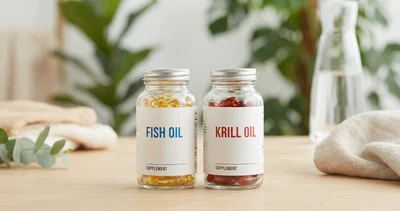
- Fish oil: common, usually delivers EPA and DHA efficiently. Quality and oxidation control matter.
- Krill oil: often lower absolute EPA and DHA per capsule, sometimes marketed for better absorption. Dose still matters more than marketing.
- Cod liver oil: contains EPA and DHA but also vitamins A and D. That can be useful or risky depending on total intake, especially for pregnancy and high-dose use.
If your goal is strictly EPA and DHA, prioritize products that clearly list the EPA and DHA amounts per serving.
Dosing: a practical way to think about it
Instead of one perfect dose, think in tiers:
- Foundation: daily ALA foods plus a whole-food diet pattern. This improves the baseline.
- Targeted addition: algae DHA (and possibly EPA) if you want reliable DHA intake, especially for pregnancy, low fish intake, or low conversion concerns.
- Therapeutic dosing: higher EPA and DHA doses are sometimes used under clinician guidance for triglycerides or specific conditions.
Read labels carefully. A capsule size does not tell you EPA and DHA content. Always look at the grams or milligrams of EPA and DHA specifically.
How to improve your odds of converting ALA
You cannot fully control conversion, but you can improve the conditions.
- Keep omega-6 intake reasonable: focus on whole foods, minimize frequent deep-fried or ultra-processed meals.
- Use ALA daily: consistent intake supports steady substrate availability.
- Fuel training: under-fueling increases stress hormones and can worsen fatigue and recovery, indirectly affecting metabolism.
- Do not rely on ALA alone for pregnancy DHA: life stage matters.
Testing: omega-3 index and blood markers
If you want a data-driven approach, consider testing rather than guessing. The omega-3 index is a blood measure that reflects EPA and DHA in red blood cell membranes. It is not perfect, but it is useful to see whether your intake strategy is producing measurable EPA and DHA.
Also consider standard lipid markers like triglycerides. If triglycerides are high, EPA and DHA intake can be a helpful tool, alongside dietary changes and clinician guidance.
Safety and interactions
Omega-3 supplements are generally well tolerated, but dose and context matter.
- Bleeding risk: high-dose EPA and DHA can affect bleeding risk, especially with anticoagulants or before surgery. Discuss with a clinician.
- GI issues: fishy burps or reflux can happen. Taking with food and choosing quality products can help.
- Oxidation: omega-3 oils can oxidize. Use reputable brands, store as directed, and avoid rancid smell or taste.
- Vitamin A and D: cod liver oil adds vitamins, which can be too much if you also supplement those vitamins.
Choosing a strategy: simple scenarios
Scenario 1: Vegan, not pregnant
Use daily ALA foods. Consider algae DHA as a simple insurance policy, especially if you do not want to gamble on conversion.
Scenario 2: Vegan, pregnant or breastfeeding
Prioritize algae DHA and keep ALA foods as foundation. Discuss dosing with a clinician.
Scenario 3: Mixed diet, fatty fish 1 to 2 times per week
You may be fine without supplements. If you do not eat fish consistently, algae or fish oil is a straightforward addition.
Scenario 4: Cardiometabolic risk and high triglycerides
Talk to a clinician. EPA and DHA dosing can be part of a triglyceride strategy, but it should be paired with diet changes and medical oversight.
How much ALA is in common foods?
People often overestimate how much ALA they are getting. Seeds are dense sources, but most meals contain only small amounts unless you intentionally add them.
- Ground flaxseed: one to two tablespoons daily is a common habit for plant omega-3 intake.
- Chia seeds: also easy to reach a meaningful ALA intake with one to two tablespoons.
- Walnuts: helpful, but portion size matters because calories add up quickly.
- Hemp hearts: useful topper, but still best used consistently.
The best strategy is to build one default routine: for example, ground flax or chia in breakfast every day. That makes ALA intake automatic and frees you from mental tracking.
Practical ways to lower omega-6 load (without fear)
You do not need to eliminate omega-6. You need to avoid letting it dominate your fat intake. A few simple habits often change the balance:
- Cook more meals at home so your fat sources are more predictable.
- Limit deep-fried and ultra-processed foods to occasional use, not daily calories.
- Use oils intentionally instead of adding large amounts by default.
- Choose whole-food fats (olive, avocado, nuts, seeds) more often than packaged snacks.
This is less about a perfect ratio and more about reducing the constant enzyme competition created by very high omega-6 patterns.
Common myths and mistakes
Myth: ALA is useless
ALA is not useless. It is essential and can contribute to EPA, and it supports a diet pattern that includes fiber and whole foods. The real point is that ALA does not reliably produce high DHA for everyone.
Myth: If I eat flax, I do not need DHA
Some people may be fine with ALA-focused strategies, but pregnancy, breastfeeding, and some health goals make direct DHA intake more relevant. If you want certainty, use algae DHA.
Mistake: buying a fish oil that does not list EPA and DHA
Many products list total fish oil but the effective EPA and DHA dose is what matters. Always read the EPA and DHA line items.
Mistake: ignoring oxidation and storage
Omega-3 oils are fragile. Store them as directed, avoid heat exposure, and do not use products that smell rancid.
FAQ
Should I take DHA every day?
Many people do, especially if they do not eat fatty fish. Consistency matters for building and maintaining tissue levels, and daily routines are easier to follow than occasional mega doses.
Is ALA enough for athletes?
Athletes have high recovery demands and often run high omega-6 intake through convenience foods. ALA is a good foundation, but EPA and DHA can be a more reliable way to support omega-3 status in heavy training blocks.
Can I combine ALA foods with algae or fish oil?
Yes. ALA foods can remain your foundation for plant omega-3, while algae or fish oil provides direct EPA and DHA. This mixed approach is common and practical.
Quick 2-week action plan
- Days 1 to 7: add one daily ALA habit (ground flax or chia at breakfast) and reduce ultra-processed meals that are heavy in omega-6 oils.
- Days 8 to 14: if you want reliable DHA, add an algae DHA product and keep the same ALA habit. Do not change five variables at once.
If you prefer to stay food-only, keep the ALA habit for at least a month and consider testing if you want an objective signal of EPA and DHA status.
Key takeaways
- ALA is an essential plant omega-3, but conversion to EPA and especially DHA is limited and variable.
- Diet quality and omega-6 load can influence conversion, but they do not guarantee high DHA.
- Algae DHA (and sometimes EPA) is the direct plant-based way to get long-chain omega-3s.
- Use labels and, when possible, testing to avoid guessing.