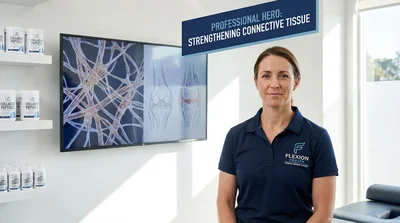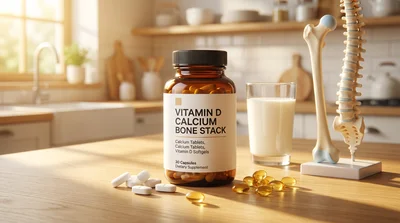
Calcium is the main mineral in your skeleton and is essential for bone strength and density. As a sport doctor, I emphasise that getting enough calcium from childhood through older age helps build and maintain bone mass and may reduce the risk of osteoporosis and fractures. About 99% of the body's calcium is stored in bones and teeth; the rest supports muscle contraction, nerve signalling, and blood clotting. Adults generally need about 1000 mg per day; women over 50 and men over 70 are often advised to aim for 1200 mg because absorption can decline and bone loss may accelerate. Diet is the preferred source, but supplements can fill gaps when intake falls short. You can compare calcium supplements and vitamin D on iHerb.
Why calcium matters for bones
Bone is living tissue that is constantly remodelled. Calcium provides the mineral matrix that keeps bones strong and dense. Inadequate intake over time can lead to lower bone mineral density and higher fracture risk, especially after menopause or in older age. Peak bone mass is largely built by early adulthood; after that, the goal is to slow loss and maintain strength. Adequate calcium, together with vitamin D and weight-bearing exercise, supports that goal. Athletes and active people also need enough calcium for muscle function and nerve transmission; very low intake can affect performance and recovery.
Food sources of calcium
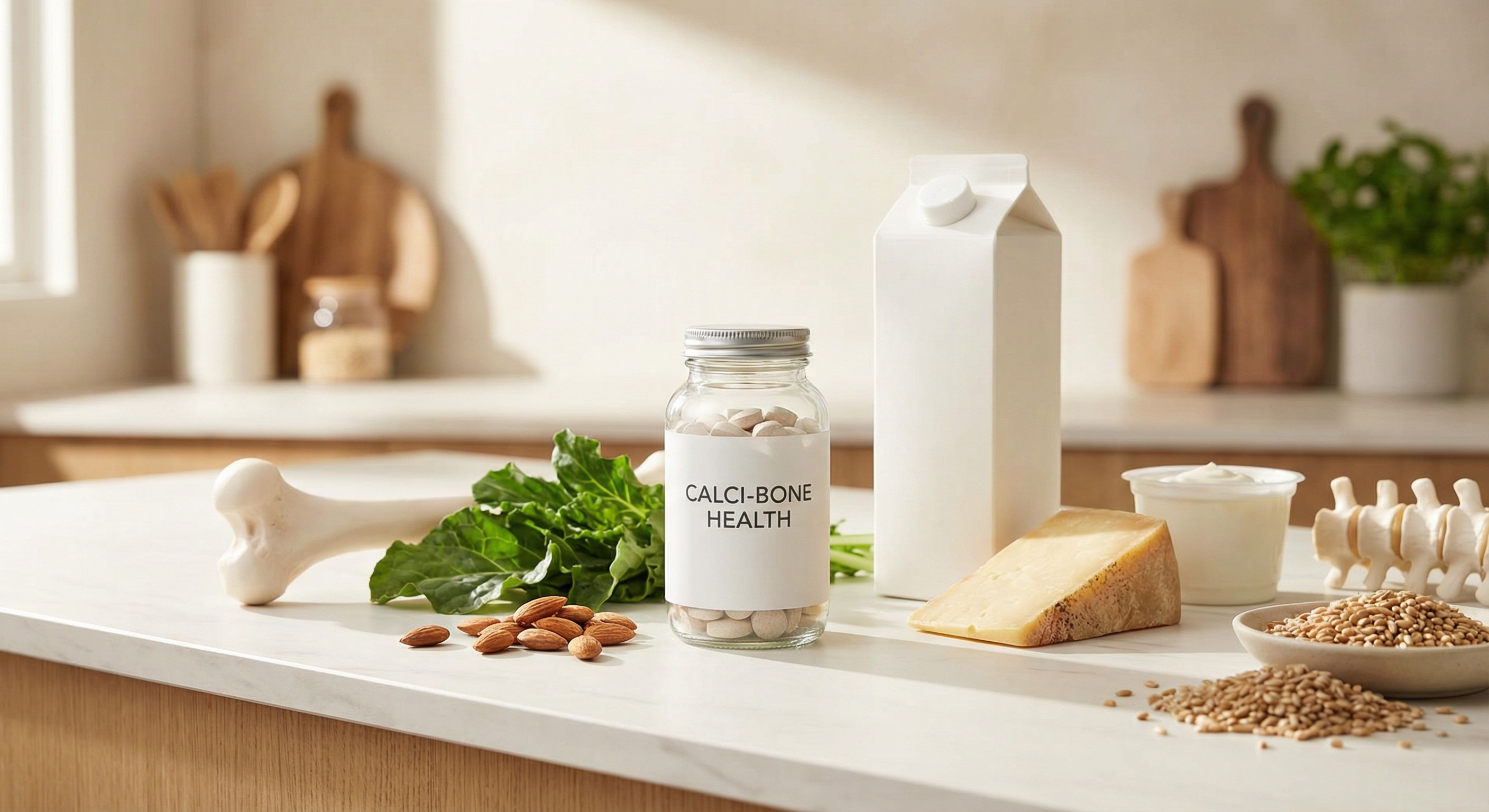
Dairy products—milk, yogurt, and cheese—are among the richest and most absorbable sources of calcium. Hard cheeses like Parmesan and Cheddar provide a lot of calcium per serving. If you avoid dairy, good options include calcium-set tofu, fortified plant milks (soy, oat, almond), canned salmon and sardines with edible bones, almonds, broccoli, kale, and fortified orange juice. Check labels: not all plant milks are fortified to the same level. Pairing calcium-rich foods with vitamin D (e.g. fortified products or sunlight) supports absorption. Spread intake across the day; the body absorbs calcium better in amounts of about 500 mg or less per sitting.
Calcium supplements: forms and timing
Calcium carbonate is cost-effective and has the highest amount of elemental calcium per tablet; it is best taken with meals because stomach acid helps absorption. Calcium citrate is absorbed well with or without food and is often recommended for older adults and anyone on acid-reducing medication, since it does not rely on stomach acid. Avoid taking large doses of calcium together with iron or zinc—they can compete for absorption; spacing them by a few hours helps. Total intake from diet plus supplements should stay within the recommended range (e.g. 1000–1200 mg for most adults) and below the upper limit (typically 2000–2500 mg daily unless advised by a doctor) to reduce the risk of kidney stones and other issues.
Vitamin D and other factors
Vitamin D improves calcium absorption and supports bone remodelling. Many people do not get enough from diet and sun; a blood test can guide whether you need a supplement. Magnesium and vitamin K2 also play roles in bone metabolism; a balanced diet with leafy greens, nuts, and fermented foods can contribute. Weight-bearing and resistance exercise help maintain bone density. Limiting excess sodium, caffeine, and alcohol supports calcium balance. If you have a history of kidney stones, hypercalcaemia, or take certain medications, discuss calcium and vitamin D intake with your doctor before starting high-dose supplements.
Who may need extra attention
Postmenopausal women lose bone mass more quickly due to hormonal changes; adequate calcium and vitamin D are especially important. Older adults often eat less and get less sun, increasing deficiency risk. People who avoid dairy (lactose intolerance, vegan diet) should plan calcium from fortified foods and/or supplements. Adolescents and young adults need enough calcium to maximise peak bone mass. Athletes in weight-sensitive sports or with low energy availability may have suboptimal calcium intake and should have it assessed. In all cases, aim for the recommended intake from food first, then add supplements only to fill the gap. Have your doctor or dietitian help you interpret your needs based on age, sex, diet, and health status.
Exercise and bone health
Weight-bearing and resistance training stimulate bone remodelling and help maintain or improve density. Running, jumping, and strength training are effective; swimming and cycling are less so for bone because the skeleton is not loaded in the same way. A balanced programme that includes impact and resistance is ideal. Adequate calcium and vitamin D support the skeleton so it can respond to that loading. If you have osteoporosis or a history of fracture, work with your doctor and a qualified trainer to choose safe, progressive loading.
FAQ
Can I get enough calcium from plants alone?
Yes, with planning. Use fortified plant milks, calcium-set tofu, leafy greens, almonds, and canned fish with bones. Pair with vitamin D and spread intake across the day.
Is calcium carbonate or citrate better?
Carbonate is fine with meals; citrate is better if you take acid blockers or prefer taking calcium without food. Both work when dose and timing are appropriate.
Can too much calcium be harmful?
Yes. Very high intake (especially from supplements) can increase kidney stone risk and, in rare cases, affect the heart. Stay within recommended and upper limits unless your doctor advises otherwise.
Takeaways
- Calcium is essential for bones and teeth; adults need about 1000–1200 mg per day depending on age and sex.
- Sources: dairy, calcium-set tofu, fortified plant milks, canned fish with bones, leafy greens, almonds.
- Supplements: carbonate with meals, citrate with or without food; keep total intake within recommended limits.
- Vitamin D and weight-bearing exercise support bone health; avoid exceeding the upper limit for calcium.
- At-risk groups: postmenopausal women, older adults, those avoiding dairy—prioritise diet, then supplement to fill gaps.
Calcium supports bone health across the lifespan; meet your target through food where possible and use supplements wisely with professional guidance.