What Is a Flexitarian Diet?
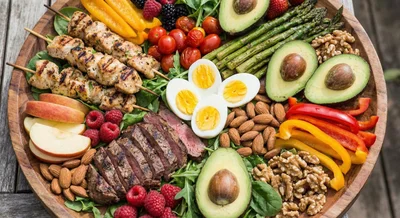
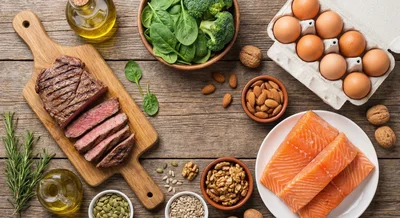
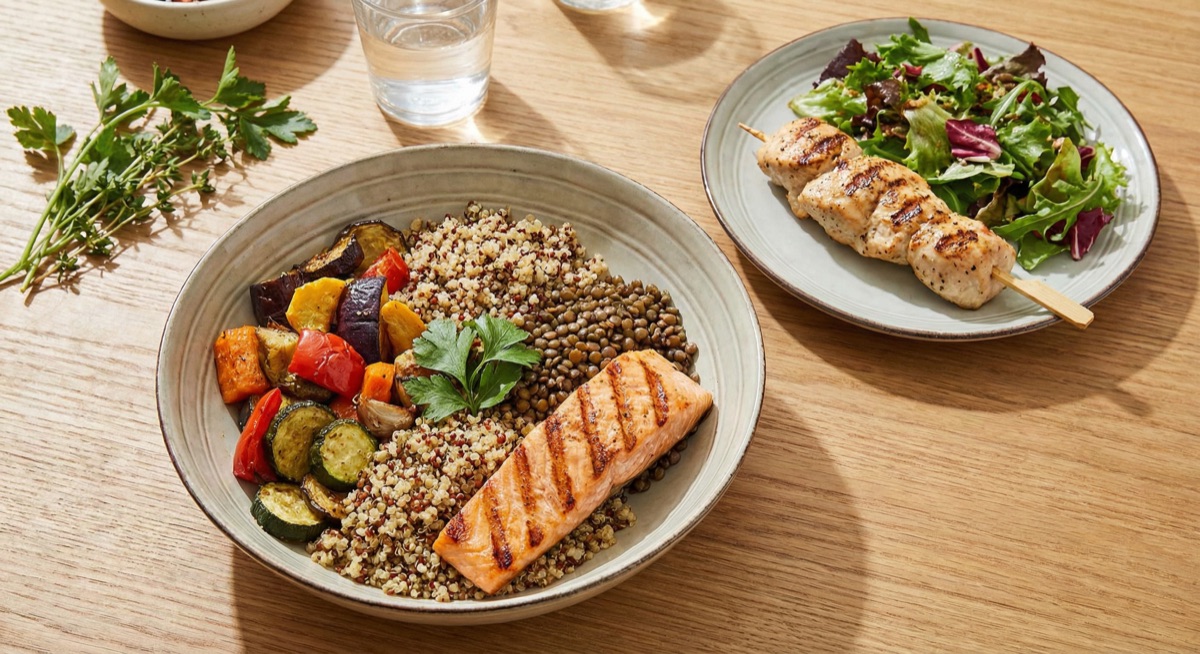
Flexitarian eating is mostly plant-based with occasional meat, fish, or poultry. It emphasizes vegetables, fruits, legumes, whole grains, nuts, and seeds while allowing flexibility. As a registered dietitian, I find it a practical way for many people to eat more plants without strict rules. Nutrient gaps depend on how often you eat animal products and how varied your plant foods are. I recommend maximizing food variety first and using supplements only when blood work or a professional assessment shows a need.
Who May Need Supplements?
If you eat animal products only rarely (e.g. a few times a month), you may be closer to a vegetarian pattern and B12, iron, and possibly omega-3 and vitamin D deserve attention. If you eat fish or meat weekly, gaps are often smaller. Blood work can clarify; do not assume you need many supplements—food first.
Key Nutrients to Consider
- Vitamin B12: Found almost only in animal foods. If you rarely eat meat, fish, or eggs, a B12 supplement (cyanocobalamin or methylcobalamin) or fortified foods are important. Older adults may need B12 regardless. A blood test can guide need. See B12 on iHerb.
- Vitamin D: Many people are low. Get a blood test; take with a fat-containing meal if supplementing. Vitamin D.
- Omega-3: If you eat fatty fish less than twice per week, an algae or fish oil supplement can support EPA/DHA intake. Omega-3.
- Iron: Plant iron is less well absorbed. Pair with vitamin C; get blood work if you are at risk (e.g. heavy periods, previous deficiency). Supplement only if your doctor recommends.
- Multivitamin (optional): If your diet is very plant-heavy and variety is limited, a low-dose multivitamin may cover gaps. Avoid megadoses.
What to Avoid
Do not assume you need a long list of supplements. Many flexitarians get enough from food. Avoid stacking multiple single-nutrient supplements without evidence of need—blood work and a diet review with a dietitian or doctor are the best guide.
Practical Tips
Prioritize variety: legumes, whole grains, vegetables, fruits, nuts, and occasional fish or meat. Include vitamin C-rich foods with plant iron. Recheck B12 and iron if you shift to eating even less animal products. Supplements support—they do not replace—a balanced, varied flexitarian diet.
Evidence and takeaways
Research shows that flexitarian and plant-based eating can be healthy when well planned. Nutrient status is individual; blood tests and a professional consultation help tailor supplements. Food first, then targeted supplements as needed. You can compare vitamins and omega-3 on iHerb for product options.
Summary
- Flexitarian eating is mostly plants with some animal foods; nutrient gaps depend on frequency and variety.
- B12, D, omega-3, and iron are the nutrients most often worth checking; blood work and food first.
- Add supplements only when indicated—not a long list by default.
- A dietitian or doctor can help individualize your plan.