What Is the Gut-Brain Axis?
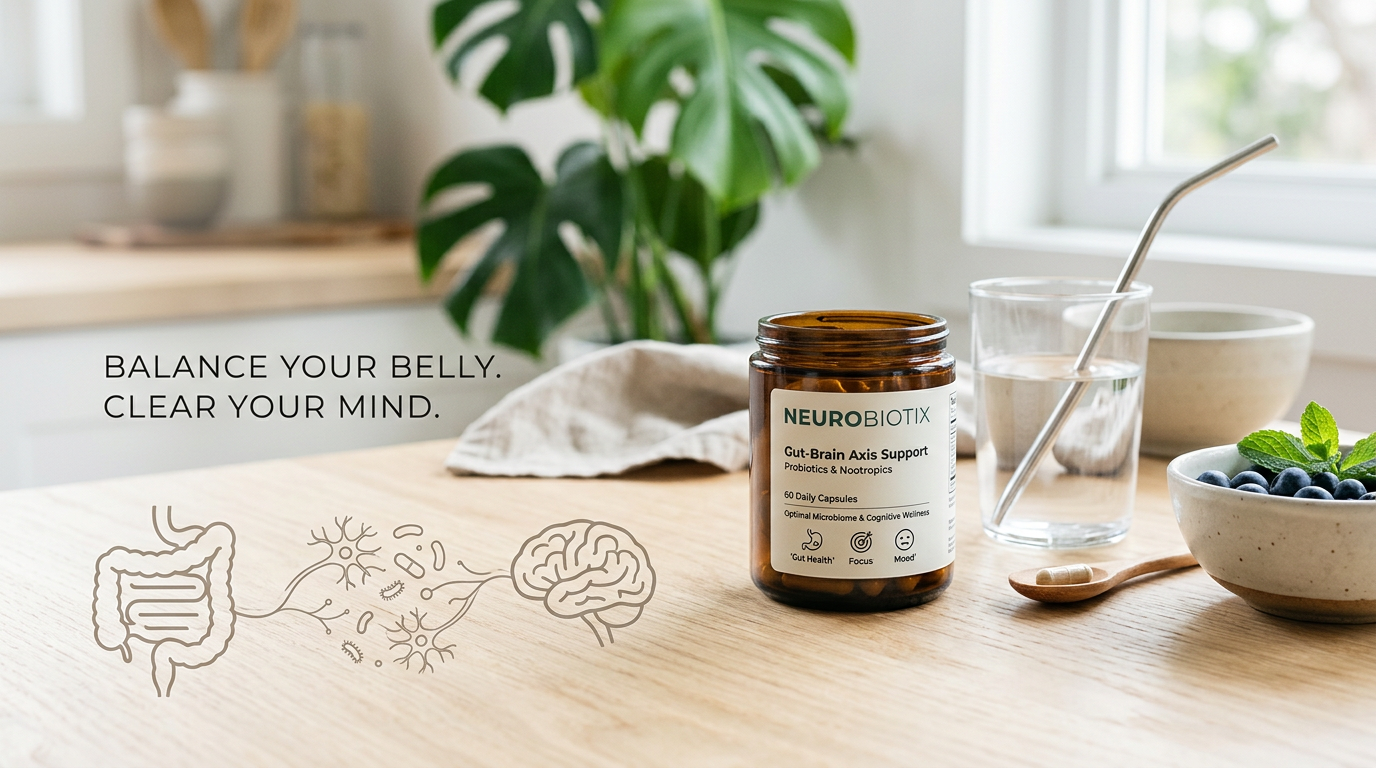
The gut-brain axis is the two-way communication between the gut (and its microbiome) and the brain. Gut bacteria produce and respond to neurotransmitters and other signalling molecules; the vagus nerve and immune pathways also link gut and brain. Research suggests that gut health may influence mood, stress response, and some aspects of cognition, though cause and effect are still being unravelled. Supporting the axis starts with diet and lifestyle; supplements can complement but not replace that foundation. For probiotic options see probiotics on iHerb.
How the Connection Works
The vagus nerve carries signals from the gut to the brain and vice versa; gut microbes can produce or influence serotonin, GABA, and other molecules that affect mood and behaviour. The immune system and inflammatory markers also respond to the microbiome and can influence brain function. Most evidence so far is associative or from animal and cell studies; human trials are growing but still limited. Supporting a diverse, stable microbiome through diet and, where appropriate, evidence-based probiotics is a practical way to support the axis without claiming to treat anxiety or depression.
Diet First: Fibre and Fermented Foods
A fibre-rich, varied diet and fermented foods support a diverse microbiome, which is thought to play a role in gut-brain signalling. Prioritise whole grains, legumes, vegetables, fruits, nuts, and seeds, and include yoghurt, kefir, or other fermented foods if you tolerate them. This foundation is more important than any single supplement. Different fibres and polyphenols feed different microbes; variety over the week matters as much as total fibre. Limiting ultra-processed foods and excess sugar may also help maintain a more favourable gut environment.
Prebiotics and Variety
Prebiotic fibres (inulin, fructooligosaccharides, resistant starch in legumes and whole grains) feed beneficial bacteria and may support a more resilient microbiome. Eating a wide variety of plant foods—different colours and types each week—supports diversity. There is no single "best" food for the gut-brain axis; consistency and variety matter more than any one ingredient.
Probiotics for Mood and Stress
Some probiotic strains are studied for mood and stress — for example certain Lactobacillus and Bifidobacterium species. Results are mixed and depend on strain, dose, and person. If you try a probiotic for gut-brain support, choose one with studied strains and a dose used in trials (often 1–10 billion CFU or more). Use for several weeks and pair with good sleep, activity, and stress management. Probiotics do not replace treatment for anxiety or depression; they are a complementary option alongside professional care when needed.
Other Supplements and the Gut-Brain Axis
Omega-3 fatty acids, B vitamins, and magnesium are sometimes discussed in the context of mood and brain health; they are not "gut" supplements per se but can support overall wellness. Prebiotics (fibre that feeds beneficial bacteria) may indirectly support the axis by promoting a healthier microbiome. Evidence for specific "gut-brain" supplements beyond probiotics and diet is still evolving; focus on diet and evidence-based probiotics first. You can compare probiotics and fibre on iHerb.
Lifestyle: Sleep, Stress, and Activity
Sleep deprivation and chronic stress can affect gut motility, microbiome composition, and inflammatory tone—all relevant to the gut-brain axis. Prioritising sleep and finding sustainable stress-management strategies (exercise, mindfulness, social connection) supports both gut and brain. Regular physical activity is associated with a more diverse microbiome and better mood in observational studies; it complements rather than replaces diet and professional care.
Limitations and When to See a Doctor
Supplements do not replace treatment for anxiety, depression, or other mental health conditions. If you have persistent low mood, anxiety, or cognitive concerns, see a doctor or mental health professional. Use supplements as a complement to diet, sleep, and lifestyle, not as a substitute for care. A clinician can help rule out medical causes and recommend therapy or medication when appropriate.
Summary
- The gut-brain axis links the gut microbiome and the brain via nerves and signalling.
- Diet (fibre, variety, fermented foods) is the main lever for gut and possibly brain support.
- Some probiotics are studied for mood and stress; choose evidence-based strains and doses.
- Sleep, stress management, and activity support the axis; supplements do not replace mental health care.
Supporting the gut-brain axis starts with diet and lifestyle; targeted supplements can complement but not replace that foundation. Browse probiotics and fibre on iHerb.