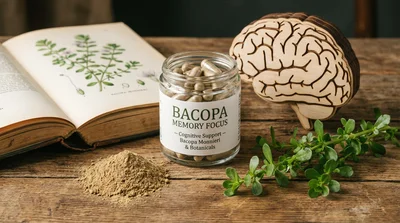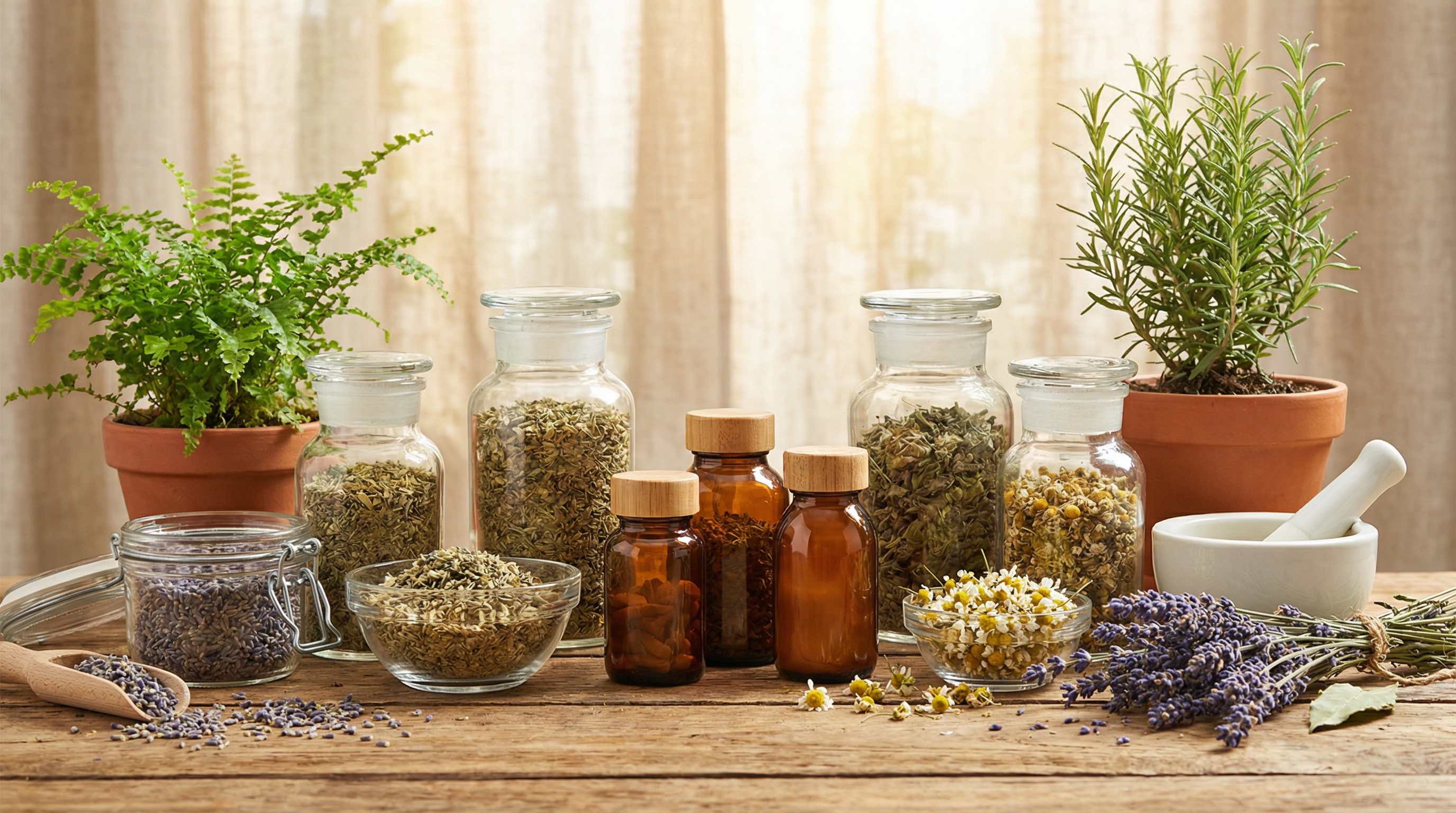
Herbal and botanical supplements come from plants—roots, leaves, flowers, or seeds—and have been used for centuries in traditional medicine. Today they are popular for wellness goals such as stress relief, sleep, and immune support. This guide introduces how they work, what the evidence says, and what to consider before taking them. Unlike single-ingredient drugs, herbs contain many compounds that may work together; effects can vary by plant part, preparation, and individual. Quality, dose, and safety (including interactions with medications) matter as much as with any supplement. You can browse herbal supplements on iHerb to compare options.
What Are Herbal and Botanical Supplements?
Herbal and botanical supplements are products made from one or more plant parts: roots, leaves, flowers, seeds, or bark. They may be sold as capsules, tablets, tinctures, teas, or extracts. Traditional systems such as Ayurveda, Traditional Chinese Medicine, and Western herbalism have used these plants for millennia; modern science is now testing which uses are supported by evidence and which are not. Because plants contain dozens or hundreds of bioactive compounds, effects can differ between brands, extracts, and individuals. Standardised extracts (e.g. a set percentage of a key compound) help consistency but do not guarantee the same results for everyone. Understanding the main categories, the evidence behind them, and how to use them safely helps you make informed choices.
Popular Herbs and Their Uses
Adaptogens
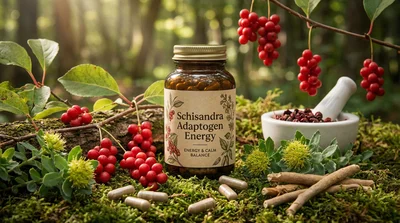
Adaptogens are a class of herbs thought to help the body cope with physical and mental stress. Ashwagandha, rhodiola, holy basil (tulsi), eleuthero (Siberian ginseng), and schisandra are among the most studied. They are often used for energy, mood, focus, and resilience. Evidence is growing but still evolving: most research has been done on specific extracts (e.g. KSM-66 ashwagandha) at defined doses, so results from one product may not apply to another. Meta-analyses suggest that ashwagandha may modestly reduce stress and improve sleep quality in some people; rhodiola may support mental performance and fatigue in certain conditions. Use adaptogens as part of a stress-management approach that includes sleep, exercise, and healthy boundaries—they are not a substitute for addressing the causes of chronic stress. If you are interested in trying adaptogens, compare ashwagandha and other adaptogen products to find a formulation that fits your needs.
Sleep and Relaxation
Valerian, passionflower, lemon balm, and hops are commonly used for relaxation and sleep. Melatonin is a hormone, not an herb, but is often grouped with natural sleep aids. Valerian has been studied in numerous trials; results are mixed but suggest it may help some people fall asleep faster or improve sleep quality when used short term. Passionflower and lemon balm have less robust evidence but are generally well tolerated. Always check for interactions with sedatives, antidepressants, or other central nervous system drugs. These herbs are typically used short term or as needed; long-term safety data are limited for some. Combine them with good sleep hygiene—consistent bedtime, dark room, limited screens before bed—for best results. You can explore sleep aids including herbal options on iHerb.
Immune and Wellness
Echinacea, elderberry, astragalus, and andrographis are often used for immune support, especially during cold and flu season. Echinacea has been studied extensively; some meta-analyses suggest a modest benefit in reducing cold duration or severity when taken at the first sign of symptoms, while others find no clear effect—strain, dose, and product quality likely matter. Elderberry is popular for flu-like symptoms; a few trials suggest it may shorten duration, but more research is needed. Use these herbs as part of a healthy lifestyle, not as a replacement for vaccination or medical care. Do not use them to treat serious infection without medical advice. For immune-support options, see immune support supplements on iHerb.
Evidence and Research: What We Know
Herbal medicine research has improved over the past two decades, but challenges remain. Plants vary in chemistry by species, growing conditions, and processing; different extracts (e.g. water vs. alcohol) pull out different compounds. Many trials use a single branded extract, so results may not generalise to other products. Publication bias and small study sizes can overstate benefits. That said, for several herbs—including standardised ashwagandha, valerian, echinacea, and peppermint oil for digestive symptoms—there is enough evidence to suggest modest benefits in specific contexts. For others, evidence is preliminary or conflicting. Rely on systematic reviews and meta-analyses when available, and be sceptical of claims that sound too good to be true. Herbs can support wellness but rarely produce dramatic results on their own.
When reading studies, pay attention to the population (e.g. healthy adults vs. people with a specific condition), the dose and form used, and the duration of the trial. A positive result in one setting does not guarantee the same in another. Organisations such as the Cochrane Collaboration and the National Center for Complementary and Integrative Health (NCCIH) publish summaries that can help you weigh the evidence. If you have a health condition or take medications, a healthcare provider or qualified herbalist can help you interpret research in the context of your situation.
Digestive and Anti-Inflammatory Herbs
Beyond adaptogens, sleep, and immune herbs, several botanicals are used for digestive comfort or mild inflammation. Ginger has a long history of use for nausea and digestion; some studies support its use for motion sickness and pregnancy-related nausea. Peppermint oil (enteric-coated) is well studied for irritable bowel syndrome and may reduce bloating and abdominal discomfort. Turmeric and its active compound curcumin are popular for joint and inflammatory support; evidence is mixed and absorption is often improved with piperine (black pepper extract). Artichoke extract and dandelion are sometimes used for liver or digestive support with limited but promising data. As with other herbs, quality and dose matter, and these are not replacements for medical treatment when you have a serious digestive or inflammatory condition.
Quality and Safety
Choose products from reputable brands that use third-party testing (e.g. USP, NSF, ConsumerLab) to verify identity, strength, and absence of contaminants. Tell your doctor which herbs you take—they can interact with prescription drugs. For example, St. John's wort interacts with many medications (antidepressants, birth control, blood thinners); ginkgo and garlic can affect bleeding risk; licorice can raise blood pressure. Pregnant or nursing women and children should use extra caution and seek professional advice before using herbal supplements. Some herbs affect blood clotting, blood sugar, or blood pressure; if you take related medications or have conditions in these areas, check with a healthcare provider first. Start with one herb at a time so you can notice effects and any side effects. Natural does not mean safe; dose and context matter.
Dosing and Forms
Dose and form vary by herb and product. Capsules and tablets often provide standardised extracts with a stated amount of active compound per serving; follow the label unless your healthcare provider suggests otherwise. Tinctures are concentrated liquid extracts; dosing is usually in drops or millilitres and can be more variable. Teas provide smaller doses and are often used for mild support or relaxation. Timing matters for some herbs: sleep herbs are typically taken in the evening; adaptogens may be taken in the morning or split across the day. Do not exceed recommended doses in the hope of stronger effects—higher doses can increase the risk of side effects and interactions. If you are unsure about dosing, ask a pharmacist or a qualified herbalist.
How to Choose Quality Products
Look for brands that disclose the plant part used, the type of extract (e.g. standardised to a percentage of a key compound), and the amount per serving. Third-party certifications (USP, NSF, ConsumerLab) indicate that the product has been tested for identity, strength, and contaminants. Avoid products that make exaggerated claims or that do not list a clear dose. Check the expiry date and store supplements as directed (e.g. away from light and moisture). If you take multiple herbs, keep a list and share it with your doctor to avoid duplicate ingredients or harmful combinations.
Who Should Be Cautious
People who are pregnant, nursing, or planning pregnancy should avoid most herbal supplements unless specifically advised by a healthcare provider. Children should only use herbs under professional guidance. If you take prescription or over-the-counter medications, especially for blood thinning, blood pressure, blood sugar, mood, or immunity, check for interactions before starting an herb. People with liver or kidney disease, or a history of hormone-sensitive conditions, should be especially careful. When in doubt, ask your doctor or pharmacist.
Combining Herbs With Lifestyle
Herbs work best as part of a broader approach. For stress, combine adaptogens with sleep hygiene, regular movement, and boundaries around work and screen time. For sleep, use relaxation herbs alongside a consistent schedule and a dark, cool bedroom. For immune support, prioritise sleep, nutrition, hand washing, and vaccination; use herbs as a complement, not a substitute. No herb replaces a balanced diet, adequate sleep, or medical treatment when needed.
FAQ
Are herbal supplements safe?
Many are safe when used as directed and when interactions with medications are considered. However, natural does not mean risk-free. Quality varies, and some herbs can cause side effects or interact with drugs. Always disclose your supplement use to your healthcare provider.
How long does it take for adaptogens to work?
Effects may be noticed within a few weeks of consistent use, but individual responses vary. Most trials run 4–12 weeks. Give a product a fair trial before switching, but stop if you notice adverse effects.
Can I take multiple herbs at once?
Taking several herbs at once can increase the risk of interactions and make it hard to tell what is helping or hurting. Start with one herb, use it for several weeks, and only add another if needed and after checking for interactions.
Do herbs work as well as prescription drugs?
For serious conditions, prescription drugs are often necessary and evidence-based. Herbs may offer modest support for mild symptoms or wellness goals but are not a replacement for medical diagnosis and treatment.
What is the best form of herbal supplement?
It depends on the herb and your preference. Standardised capsules or tablets offer consistent dosing; tinctures allow flexible dosing; teas provide lower doses and are often used for relaxation. Choose a form that you will use consistently.
When should I stop taking an herb?
Stop if you notice allergic reactions, digestive upset, dizziness, or other concerning symptoms. If you are taking an herb for a limited goal (e.g. sleep during a stressful period), you can taper off once the situation improves. For long-term use, discuss with your doctor and consider periodic review.
Do herbs expire?
Yes. Check the expiry date on the label and store products in a cool, dry place away from direct light. Discard expired supplements; potency and safety may decline over time.
Key Takeaways
- Herbal and botanical supplements come from plants and may support stress, sleep, or immunity when used wisely.
- Evidence varies by herb and product; adaptogens, sleep herbs, and some immune herbs have modest support from research.
- Quality matters: choose reputable brands with third-party testing and clear labelling.
- Safety: disclose herb use to your doctor; watch for drug interactions; pregnant women and children need extra caution.
- Use herbs as part of a healthy lifestyle—they do not replace sleep, diet, or medical care.
Bottom line: herbs and botanicals can support wellness when used wisely. Start with one at a time, follow label directions, and involve your healthcare provider when in doubt. They are not a substitute for a healthy diet, sleep, or medical treatment but can complement a balanced approach to stress, sleep, and immunity. Quality and safety should always come first: choose tested products, respect dosing, and keep your doctor informed. Over time, you can learn which herbs, if any, support your goals without causing side effects or conflicting with your medications. Tracking what you take and how you feel can help you and your provider decide whether to continue, adjust, or stop. For a wide selection of herbal and botanical supplements, you can compare options at iHerb and use the information in this guide to make informed choices.