What Is Holy Basil?
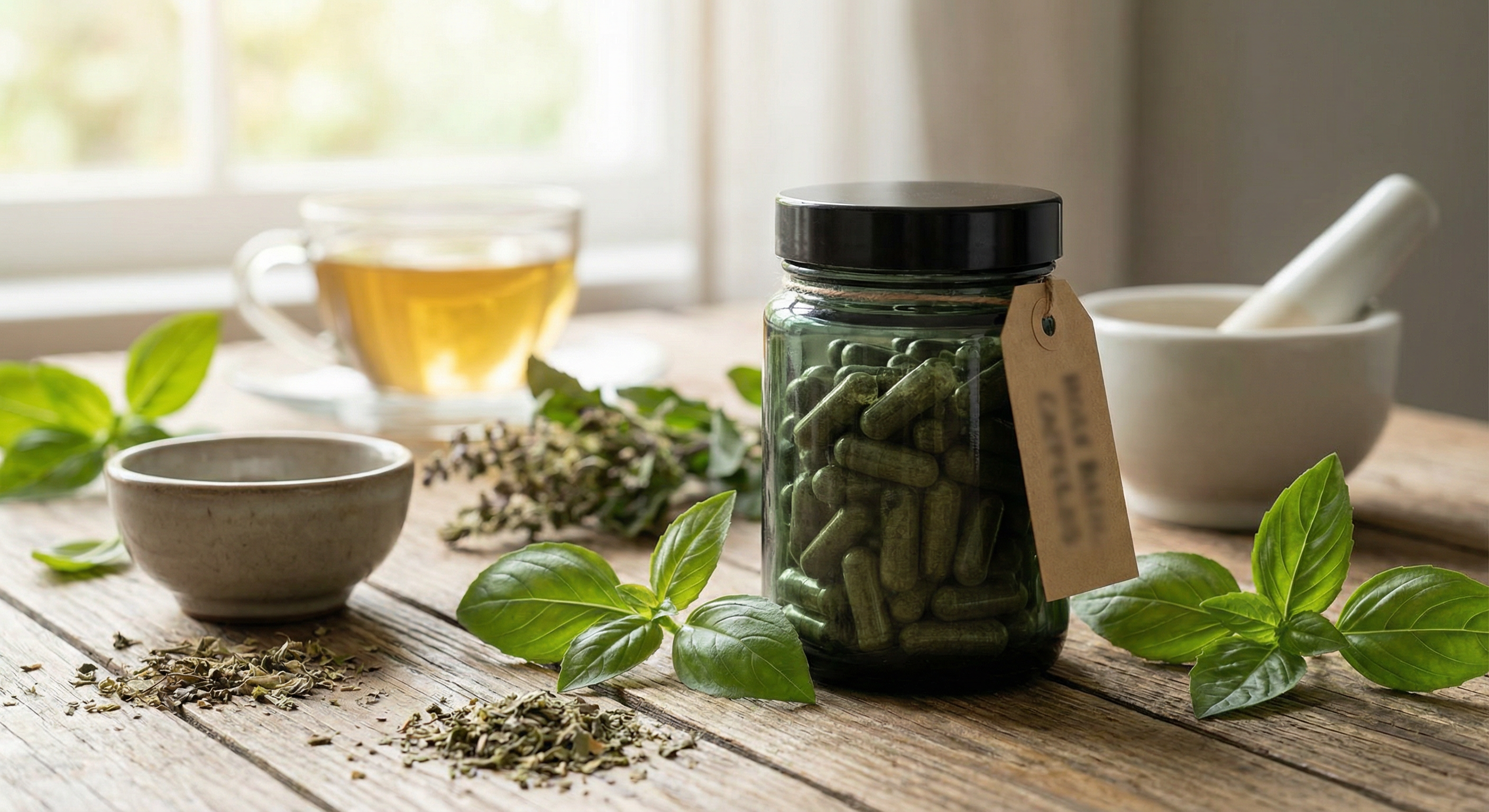
Holy basil (tulsi, Ocimum sanctum) is an adaptogen used in traditional practices for stress, mood, and resilience. It may support a calmer stress response and general wellness. Often taken as tea, extract, or capsules. Active compounds include eugenol and other volatile compounds; quality depends on standardisation and brand. In Ayurveda, holy basil is valued for its role in supporting the body's response to physical and emotional stress; modern research is still catching up with traditional use.
Evidence for Stress and Mood
Some clinical studies suggest that holy basil extract may help lower cortisol and improve subjective stress and mood. Effects are generally moderate and vary by person; combining with sleep, movement, and social support matters more than any single supplement. Holy basil does not replace treatment for anxiety or depression—consult a doctor for persistent symptoms. Research is still evolving; most trials use specific extracts and doses (e.g. 300–600 mg per day).
Randomised controlled trials have used standardised extracts over several weeks; results often show modest improvements in stress scales and sometimes in cortisol levels. The evidence is not as strong as for first-line treatments such as cognitive behavioural therapy or prescribed medication when indicated. Holy basil can be part of a broader stress-management approach that includes sleep hygiene, regular exercise, and social support. For product options, browse herbs on iHerb including holy basil and other adaptogens.
Mechanism and Active Compounds
Holy basil contains several bioactive compounds, including eugenol (a volatile oil), ursolic acid, and various flavonoids. These may contribute to its reported effects on stress and mood through modulation of cortisol and possibly neurotransmitter activity. Standardised extracts ensure consistent levels of key compounds; quality and dose vary widely between products. Choosing a product with clear labelling and, when available, standardisation (e.g. eugenol or total phenolics) helps you get a consistent dose. The plant is distinct from culinary basil (Ocimum basilicum); the two are not interchangeable for supplement use.
How to Use
Typical supplement doses are 300–600 mg of extract once or twice daily, or 1–2 cups of tulsi tea. Take with food. Many people take it in the morning and afternoon so it does not interfere with sleep; some use it before stressful situations. Capsules and extracts provide consistent dosing; tea is gentler and can be part of a wind-down routine.
If you are new to holy basil, start at the lower end of the dose range (e.g. 300 mg once daily) and increase gradually if needed. Give at least a few weeks to assess effect; stress and mood respond to both supplements and lifestyle changes over time. Do not use holy basil as a substitute for prescribed anxiety or depression treatment without your doctor's guidance.
Forms and Quality
Leaf extract in capsules is common; tea and tincture are also available. Look for products that state the amount of extract per serving and, when possible, standardisation (e.g. eugenol or total phenolics). Quality varies by brand; choose reputable suppliers with clear labelling. Third-party testing (e.g. NSF, USP) when available adds confidence in purity and label accuracy. Loose-leaf tulsi tea is a traditional form; for a standardised dose, capsules or liquid extracts are more reliable. Store products away from light and moisture to preserve potency.
Safety and Interactions
Holy basil is generally well tolerated. It may affect blood clotting; if you take blood-thinning or antiplatelet drugs, or have surgery planned, talk to your doctor. Data in pregnancy and breastfeeding are limited—avoid or use only under professional guidance. It can interact with diabetes medications; if you have blood sugar issues, discuss before use. Start with the lower end of the dose range and watch for any digestive or other side effects.
Reported side effects are usually mild (e.g. occasional digestive discomfort). Discontinue if you notice allergic reactions or other concerning symptoms. Long-term safety data at typical doses are limited; periodic re-evaluation of whether you still need the supplement is reasonable. If you are using holy basil for more than a few months, a quick check with your doctor can ensure it still fits your current health and medications. Because holy basil may influence blood clotting, anyone on anticoagulants or with bleeding disorders should avoid it unless cleared by a doctor. If you take multiple supplements or medications, a pharmacist or doctor can help check for interactions.
Holy Basil vs Other Adaptogens
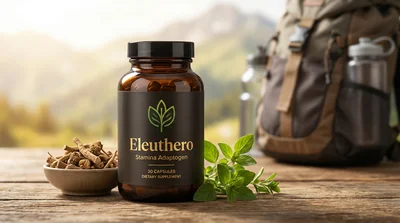
Holy basil is one of several adaptogens used for stress and resilience; others include ashwagandha, rhodiola, and eleuthero. Each has a different evidence base and safety profile. Ashwagandha has more clinical trials for stress and sleep; rhodiola is often used for fatigue and mental performance. Holy basil is valued in Ayurveda for a broad supportive role. You do not need to take multiple adaptogens at once; starting with one and assessing response is sensible. Combining adaptogens with other sedatives or stress-related supplements can increase the risk of interactions—discuss with a healthcare provider.
Traditional Use and Modern Research
In Ayurvedic tradition, holy basil (tulsi) is considered a sacred plant and has been used for centuries for wellness, stress, and immune support. Modern research has begun to test these uses in controlled settings. Results so far suggest that standardised extracts may support a calmer stress response in some people, but the evidence is not yet as robust as for some other herbal or pharmaceutical options. Respecting traditional use while relying on evidence-based dosing and safety information helps you make informed choices.
Clinical trials have typically used 300–600 mg of standardised extract per day, often in two divided doses. Some studies measured cortisol levels; others relied on questionnaires about stress and mood. Outcomes vary, which is common in stress and mood research because of individual differences and the influence of lifestyle. The takeaway is that holy basil may help some people as part of a broader approach; it is not a guaranteed or standalone solution.
Storage and Product Choice
Store holy basil products in a cool, dry place away from direct light to preserve potency. Check the use-by or best-before date and do not use expired products. When buying online or in stores, prefer brands that provide clear information on extract strength and standardisation. Products that list only "holy basil leaf" without extract amount make it difficult to match evidence-based doses. If you have allergies to plants in the mint family (Lamiaceae), use caution and consider a small test or discussion with your doctor before regular use.
When to Consider Holy Basil
Holy basil may be worth considering if you are looking for a gentle adaptogen to support everyday stress and mood, alongside good sleep and lifestyle habits. It is not appropriate as a sole treatment for anxiety disorders, depression, or chronic insomnia—those require professional evaluation and often first-line treatments. If you are already on medication for mood or anxiety, do not add holy basil without discussing with your doctor. For general stress support and resilience, holy basil can be a reasonable option when used at evidence-based doses and with attention to safety.
People who benefit most tend to use it consistently for several weeks, combine it with adequate sleep and stress-reduction practices, and do not expect it to replace professional care when symptoms are severe or persistent. If you are unsure whether holy basil is right for you, a short conversation with your doctor or a qualified herbalist can help you weigh the pros and cons based on your health and medications.
Combining Holy Basil With Lifestyle
Supplements work best when they complement rather than replace healthy habits. For stress and mood, prioritise consistent sleep (seven to nine hours for most adults), regular physical activity, and meaningful social connections. Mindfulness, relaxation techniques, and time in nature can also support resilience. Holy basil may add a gentle layer of support on top of these foundations. If you find that stress or sleep do not improve despite good habits and a trial of holy basil, consider speaking with a doctor or therapist to rule out underlying conditions and explore other options.
Who Should Avoid or Use Caution
Avoid holy basil or use only under medical supervision if you are pregnant, breastfeeding, or trying to conceive; data are insufficient for safety. If you take anticoagulants, antiplatelet drugs, or have a bleeding disorder, avoid holy basil unless your doctor approves. People with diabetes or on blood-sugar-lowering medication should discuss use first, as holy basil may affect glucose. Before surgery, stop holy basil at least one to two weeks in advance unless your surgeon advises otherwise. Children and adolescents should not use holy basil supplements without professional guidance. If you have hormone-sensitive conditions, discuss with your doctor before use.
Research Limitations and Future Directions
Most studies on holy basil for stress and mood are relatively short (weeks to a few months) and use different extracts and doses, which makes it hard to compare results directly. Larger, longer trials and standardised extracts would strengthen the evidence. Until then, the best approach is to use evidence-based doses (300–600 mg extract per day), choose quality products, and combine with lifestyle measures. Stay informed as new research is published; reputable sources include systematic reviews and guidelines from health authorities.
Frequently Asked Questions
Can I take holy basil with ashwagandha? Some people take both adaptogens, but there is limited research on combinations. To reduce the risk of additive effects or interactions, start with one adaptogen and add another only after consulting a healthcare provider. Do not combine multiple sedating herbs with prescription anxiety or sleep medications without medical approval.
How long until I notice an effect? Stress and mood can respond within a few weeks, but individual variation is high. Use holy basil for at least four to six weeks at a consistent dose before judging effect. If there is no improvement, consider other strategies or professional support.
Is tulsi tea as effective as capsules? Tea provides lower, less standardised doses than extracts. For a consistent, evidence-based dose, capsules or liquid extracts are preferable. Tea can still be a pleasant part of a wind-down routine and may provide some benefit.
Practical Tips
- Dose: 300–600 mg extract daily, or 1–2 cups tulsi tea; start low and increase if needed.
- Timing: morning and afternoon are common; avoid late evening if you are sensitive to any stimulant effects.
- Duration: use for at least a few weeks to evaluate effect; combine with sleep and stress management.
- Quality: choose products with stated extract amount and standardisation when possible.
Keeping a simple log of stress levels and sleep quality can help you decide whether holy basil is helping. If there is no noticeable benefit after several weeks, consider other approaches (e.g. sleep hygiene, exercise, or professional support) rather than increasing the dose indefinitely.
Takeaways
- Holy basil (tulsi) is an adaptogen used for stress and mood.
- 300–600 mg extract or tulsi tea daily; take with food.
- Evidence is promising but moderate; combine with sleep and lifestyle.
- Generally well tolerated; discuss with your doctor if on related medications.
Holy basil can be a useful part of a stress-support strategy when used sensibly and in line with evidence. It does not replace professional care for anxiety or depression but may support general resilience when combined with healthy habits. For a wide selection of herbal adaptogens and tulsi products, you can compare options in the herbs category on iHerb with the referral code AGT1817.
In summary, holy basil (tulsi) is an adaptogen with a long history of use and a growing body of research. Use it at 300–600 mg extract per day or as tulsi tea, prioritise quality and standardisation, and combine it with sleep, exercise, and stress management. Always discuss use with your doctor if you are on medications or have health conditions that could be affected. With these steps, you can make an informed decision about whether holy basil belongs in your wellness routine. Revisit your choice every few months as your stress levels and lifestyle change. When in doubt, ask a healthcare or herbal professional for personalised advice. Quality products and consistent use improve the chance of benefit.