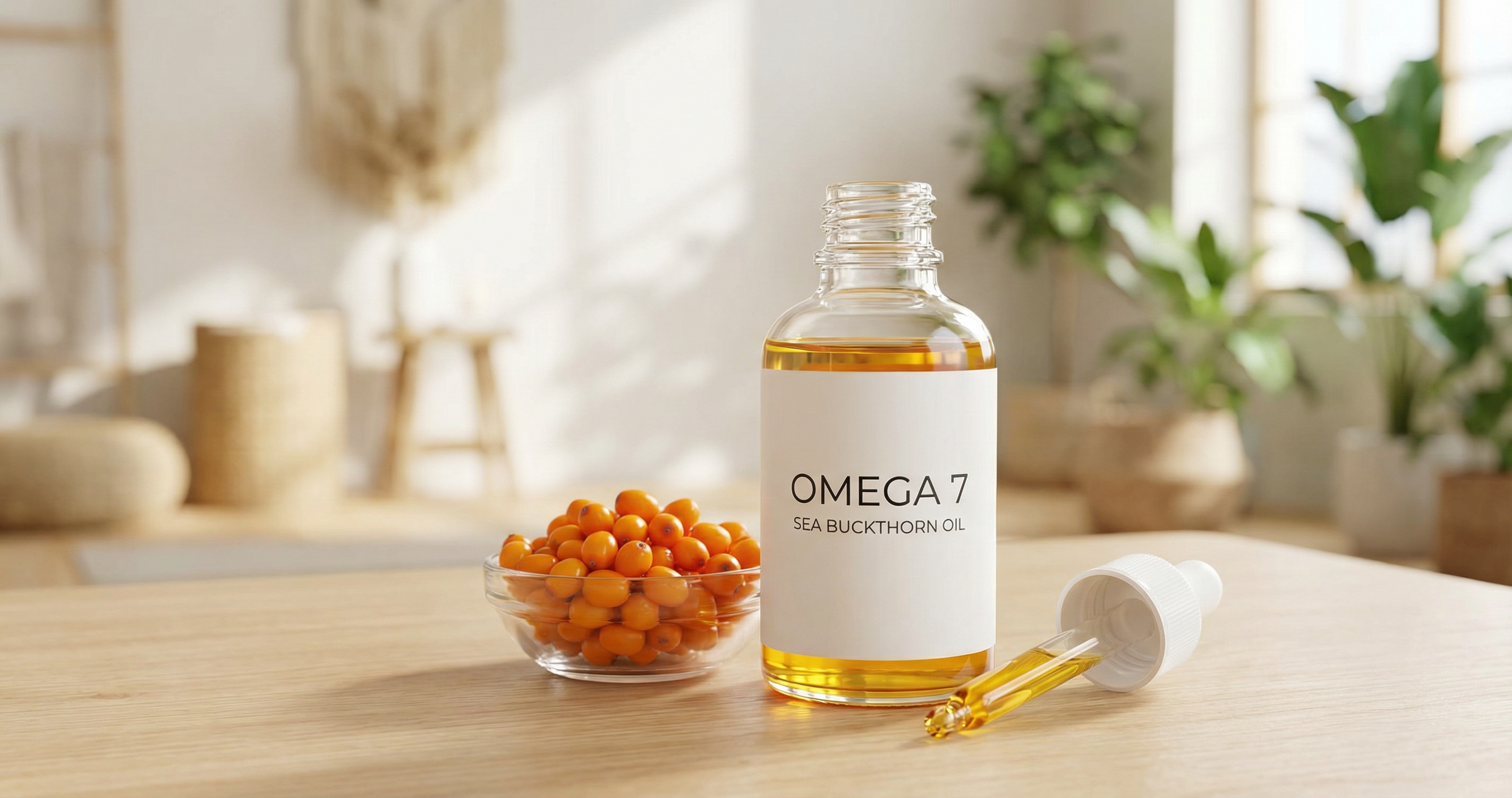
What Are Omega-7 Fatty Acids?
Omega-7 fatty acids are a small family of unsaturated fats; the one most often discussed in supplements is palmitoleic acid (C16:1). Unlike omega-3 and omega-6, omega-7s are not considered essential—the body can make some palmitoleic acid from palmitic acid. They are found in certain foods (e.g. sea buckthorn oil, macadamia nut oil, some fish) and in supplemental form, often from sea buckthorn. As a CNS/RD I explain that research on omega-7 is less extensive than on omega-3; claims around metabolic health, skin moisture, and inflammation are based on a mix of cell, animal, and human studies. They are not a replacement for a balanced diet or for well-established interventions like omega-3 for heart health.
Dietary and Supplemental Sources
Sea buckthorn (Hippophae rhamnoides) oil is a rich source of palmitoleic acid and is used in supplements and topical products. Macadamia nuts and their oil also contain omega-7. Some fish provide small amounts. Supplemental omega-7 often comes as sea buckthorn oil in soft gels; read the label for palmitoleic acid or total omega-7 content per serving. Because sea buckthorn oil can contain other fatty acids and compounds, quality and purity vary by brand. There is no established RDA or AI for omega-7; intake from food is generally low unless you use these oils or nuts regularly.
What the Evidence Suggests
Some studies suggest that palmitoleic acid may play a role in metabolic health—e.g. insulin sensitivity, lipid metabolism—but human data are limited and not always consistent. Sea buckthorn has been studied for skin dryness and wound healing in small trials; results are promising but not yet sufficient to make strong general recommendations. Omega-7 is sometimes marketed for skin moisture, metabolic support, or anti-inflammatory effects; treat these as areas of interest rather than proven outcomes until more robust evidence is available. If you have metabolic syndrome, diabetes, or skin concerns, discuss supplement use with your healthcare provider alongside diet and lifestyle changes.
Safety and Practical Use
Sea buckthorn oil is generally well tolerated in typical supplemental doses. It can have a strong taste and may cause mild digestive upset in some people. There is no need to take omega-7 in place of omega-3; they serve different roles. For heart and brain health, omega-3 (EPA and DHA) remains the best-supported choice. If you choose to try omega-7, use a reputable brand, follow the label dose, and do not expect it to replace evidence-based treatments or diet. Store sea buckthorn oil away from heat and light.
Summary and Takeaways
- Omega-7 (e.g. palmitoleic acid) is not essential; the body can make some; it is found in sea buckthorn and macadamia.
- Evidence for metabolic and skin benefits is emerging but less robust than for omega-3; do not substitute for omega-3.
- Sources: Sea buckthorn oil (common in supplements), macadamia nuts and oil; no established daily requirement.
- Use as a complementary option if interested; prioritise omega-3, diet, and medical advice for core health goals.
Omega-7 fatty acids are an area of ongoing research. They may have a place in some people''s supplement routines but should not replace omega-3 or evidence-based lifestyle and medical care.