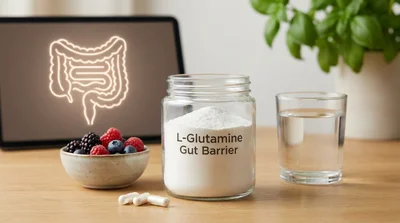
What Are Postbiotics?
Postbiotics are beneficial compounds produced when probiotics (friendly bacteria) ferment fibre and other nutrients in your gut. Think of them as the "by-products" of probiotic activity: short-chain fatty acids (like butyrate), cell fragments, and other substances that support gut barrier function and immune health. Unlike probiotics, postbiotics are not live organisms, so they are stable in storage and can survive stomach acid, making them easier to use in supplements and fortified foods. As a Certified Nutrition Specialist or dietitian, I recommend considering postbiotics when you want gut and immune support without relying on live bacteria.
Postbiotics vs Probiotics vs Prebiotics
It helps to see how they work together. Probiotics are live bacteria or yeasts you take (in food or supplements) to add good microbes to your gut. Prebiotics are types of fibre that feed those bacteria so they can grow and produce postbiotics. Postbiotics are the beneficial substances that result—they support the gut lining, may reduce inflammation, and help your immune system without needing to colonise the gut. For people who have trouble tolerating live probiotics (e.g. sensitive digestion, after antibiotics), postbiotic supplements can be a gentler option. They do not replace a healthy diet but can complement it.
Key Benefits of Postbiotics
Gut Barrier and Digestive Health
Short-chain fatty acids such as butyrate help nourish the cells lining your colon and support a healthy gut barrier. A strong barrier helps keep harmful substances out of the bloodstream and supports regular digestion. Some research suggests postbiotics may help ease occasional bloating and support overall digestive comfort. Evidence is still growing; they are best used as part of a fibre-rich diet and good lifestyle habits.
Immune Support
Postbiotics can interact with immune cells in the gut and help support a balanced immune response. They do not replace a healthy diet or good hygiene, but they may be a useful part of a lifestyle aimed at keeping your defences in good shape, especially when combined with enough sleep, exercise, and varied nutrition.
Anti-inflammatory Effects
Some postbiotic compounds have been studied for their potential to moderate inflammation in the gut and elsewhere. Chronic low-grade inflammation is linked to many health concerns; supporting gut health with postbiotics may contribute to a more balanced inflammatory response over time. Always use them as support, not as a substitute for medical care when you have a diagnosed condition.
Who Might Benefit from Postbiotics?
Postbiotics may be helpful if you want to support gut and immune health but find live probiotics hard to tolerate, or if you prefer a supplement that does not require refrigeration and is stable at room temperature. They are also of interest to people looking to diversify their gut-support strategy beyond probiotics alone. Always talk to your doctor if you have a serious digestive condition, immune disorder, or are pregnant or breastfeeding.
Food Sources and Supplements
You get some postbiotics naturally when you eat fermented foods (e.g. yoghurt, kefir, sauerkraut, kimchi) because the bacteria in those foods produce these compounds in your gut. However, the amount and type vary. Postbiotic supplements (e.g. butyrate, or heat-treated probiotic preparations that contain postbiotic compounds) provide a standardised dose. Look for products from reputable brands; some labels say "postbiotic" or list ingredients like "fermented" or "metabolites." Follow the label for dosage and storage.
Dosage and Safety
There is no single official daily dose for postbiotics; it depends on the product and the specific compound (e.g. butyrate, or a fermented lysate). Follow the label instructions and start with the suggested amount. Postbiotics are generally well tolerated because they are not live organisms. If you have allergies, check the ingredient list. If you take other supplements or medicines, or have a health condition, check with your doctor before adding a postbiotic supplement.
Practical Takeaways
- Postbiotics are beneficial compounds from probiotic fermentation; they support gut barrier, immunity, and a balanced inflammatory response.
- Different from probiotics: no live bacteria, so they are stable and often easier to tolerate.
- Sources: fermented foods and postbiotic supplements (e.g. butyrate, fermented lysates).
- Use: follow the product label; consider postbiotics if you want gut and immune support without live probiotics.
Adding postbiotics through diet or a trusted supplement can be a simple step toward better gut and immune health.
Evidence and Practical Tips
Research in this area has grown over the past decades. Most studies focus on specific populations and conditions, so results are not always generalisable. Quality matters: choose products from reputable brands that disclose ingredients and dose per serving. Third-party testing (e.g. USP, NSF, ConsumerLab) when available adds assurance. Start with the lowest effective dose on the label and give any new supplement at least four to six weeks of consistent use before judging effect. Many factors influence how well a supplement works: your baseline status, diet, sleep, and lifestyle. Keeping a simple log of what you take and how you feel can help you and your provider decide whether to continue or adjust.
Supplements are not a substitute for a varied diet, adequate sleep, and regular physical activity. If you are pregnant, breastfeeding, or have a chronic condition, talk to your doctor before starting any new supplement. Do not use supplements to replace diagnosis or treatment for medical conditions. When in doubt, a short conversation with a doctor or dietitian can clarify whether a supplement is right for you and how to use it safely.