What Is Rhodiola?
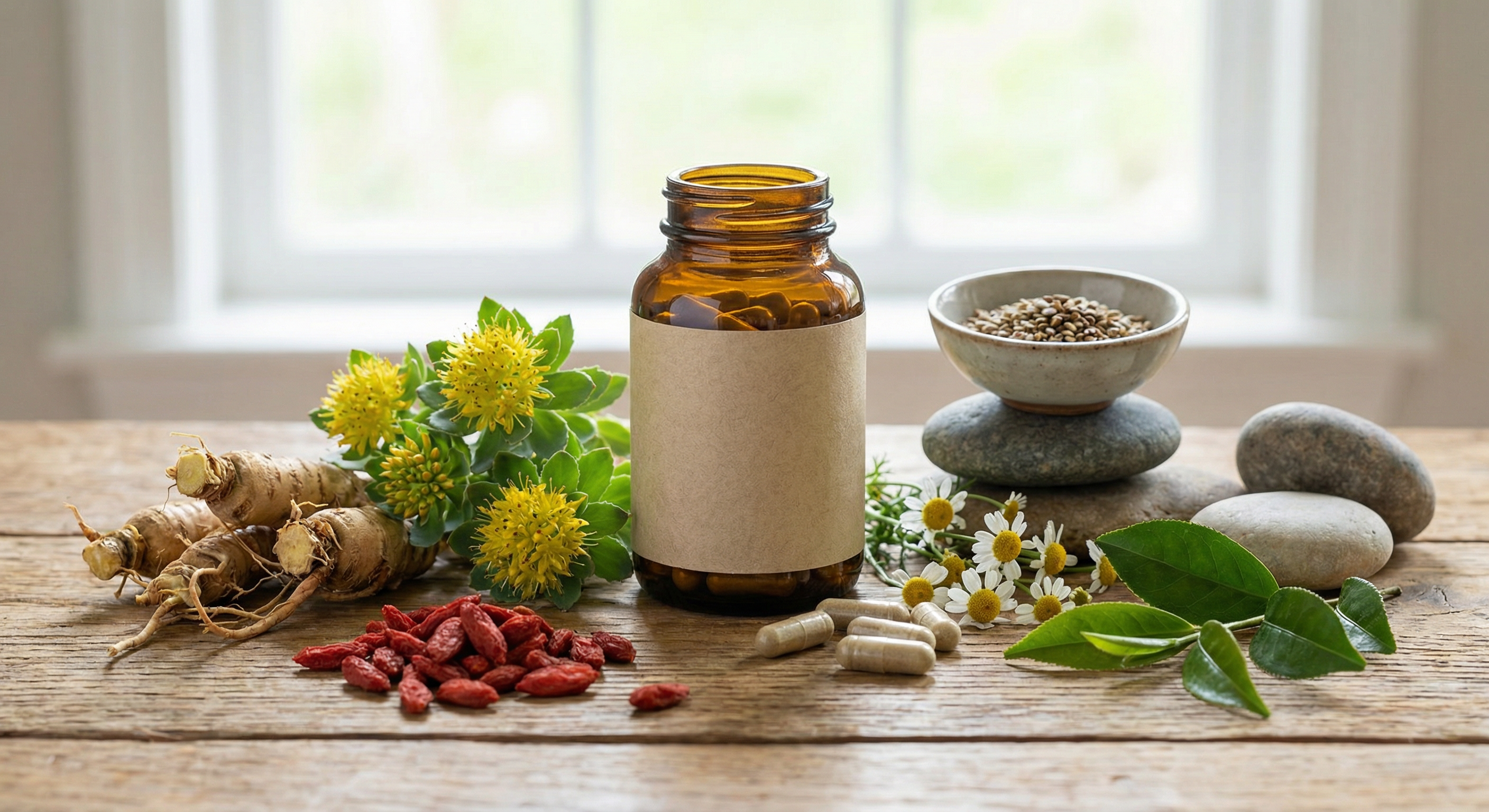
Rhodiola rosea is an adaptogen used for fatigue, stress, and mood. It may support mental performance and a calmer response to stress. Many take it in the morning to avoid affecting sleep.
Dose and Form
Typical doses are 200–400 mg of extract (often standardized to rosavins and salidroside) once or twice daily, with food. Cycle use (e.g. several weeks on, a break) is common. Avoid late in the day if you are sensitive to stimulant-like effects.
Takeaways
- Rhodiola is an adaptogen used for energy, stress, and mood.
- 200–400 mg extract, morning or early day; consider cycling.
- Take with food; avoid late if it affects sleep.
Evidence and Practical Tips
Research in this area has grown over the past decades. Most studies focus on specific extracts, doses, and populations, so results are not always generalisable. Quality matters: choose products from reputable brands that disclose ingredients and dose per serving. Third-party testing (e.g. USP, NSF, ConsumerLab) when available adds assurance. Start with the lowest effective dose on the label and give any new supplement at least four to six weeks of consistent use before judging effect. Many factors influence how well a supplement works: your baseline status, diet, sleep, and lifestyle. Keeping a simple log of what you take and how you feel can help you and your provider decide whether to continue or adjust.
Supplements are not a substitute for a varied diet, adequate sleep, and regular physical activity. If you are pregnant, breastfeeding, or have a chronic condition, talk to your doctor before starting any new supplement. Do not use supplements to replace diagnosis or treatment for medical conditions. When in doubt, a short conversation with a doctor or dietitian can clarify whether a supplement is right for you and how to use it safely. Compare options at herbs on iHerb or adaptogens as needed.
Evidence and Practical Tips
Research in this area has grown over the past decades. Most studies focus on specific extracts, doses, and populations, so results are not always generalisable. Quality matters: choose products from reputable brands that disclose ingredients and dose per serving. Third-party testing (e.g. USP, NSF, ConsumerLab) when available adds assurance. Start with the lowest effective dose on the label and give any new supplement at least four to six weeks of consistent use before judging effect. Many factors influence how well a supplement works: your baseline status, diet, sleep, and lifestyle. Keeping a simple log of what you take and how you feel can help you and your provider decide whether to continue or adjust.
Supplements are not a substitute for a varied diet, adequate sleep, and regular physical activity. If you are pregnant, breastfeeding, or have a chronic condition, talk to your doctor before starting any new supplement. Do not use supplements to replace diagnosis or treatment for medical conditions. When in doubt, a short conversation with a doctor or dietitian can clarify whether a supplement is right for you and how to use it safely. Compare options at herbs on iHerb or adaptogens as needed.
Evidence and Practical Tips
Research in this area has grown over the past decades. Most studies focus on specific extracts, doses, and populations, so results are not always generalisable. Quality matters: choose products from reputable brands that disclose ingredients and dose per serving. Third-party testing (e.g. USP, NSF, ConsumerLab) when available adds assurance. Start with the lowest effective dose on the label and give any new supplement at least four to six weeks of consistent use before judging effect. Many factors influence how well a supplement works: your baseline status, diet, sleep, and lifestyle. Keeping a simple log of what you take and how you feel can help you and your provider decide whether to continue or adjust.
Supplements are not a substitute for a varied diet, adequate sleep, and regular physical activity. If you are pregnant, breastfeeding, or have a chronic condition, talk to your doctor before starting any new supplement. Do not use supplements to replace diagnosis or treatment for medical conditions. When in doubt, a short conversation with a doctor or dietitian can clarify whether a supplement is right for you and how to use it safely. Compare options at herbs on iHerb or adaptogens as needed.
Evidence and Practical Tips
Research in this area has grown over the past decades. Most studies focus on specific extracts, doses, and populations, so results are not always generalisable. Quality matters: choose products from reputable brands that disclose ingredients and dose per serving. Third-party testing (e.g. USP, NSF, ConsumerLab) when available adds assurance. Start with the lowest effective dose on the label and give any new supplement at least four to six weeks of consistent use before judging effect. Many factors influence how well a supplement works: your baseline status, diet, sleep, and lifestyle. Keeping a simple log of what you take and how you feel can help you and your provider decide whether to continue or adjust.
Supplements are not a substitute for a varied diet, adequate sleep, and regular physical activity. If you are pregnant, breastfeeding, or have a chronic condition, talk to your doctor before starting any new supplement. Do not use supplements to replace diagnosis or treatment for medical conditions. When in doubt, a short conversation with a doctor or dietitian can clarify whether a supplement is right for you and how to use it safely. Compare options at herbs on iHerb or adaptogens as needed.