What Is Supplement Stacking?
Supplement stacking means combining several supplements to support specific goals — for example, energy, sleep, immunity, or recovery. Done well, stacking can help you cover gaps in your diet and target multiple needs. Done poorly, it can lead to overlap, wasted money, or in rare cases interactions with medicines or other supplements. Learning a few basics helps you stack sensibly and safely.
Start One at a Time
When adding new supplements, introduce one at a time and give it at least two to four weeks before adding another. That way you can notice benefits or side effects and attribute them to the right product. If you start three new things in the same week and feel better or worse, you will not know which one is responsible. Starting slowly also reduces the chance of stomach upset or other reactions from multiple new ingredients at once.
Check for Overlap
Many multivitamins already contain vitamins D, E, B complex, and sometimes minerals like zinc or magnesium. If you add a separate vitamin D, B-complex, or magnesium product, you may double up on some nutrients and exceed safe upper limits. Read labels and add up total doses from all supplements and, if relevant, fortified foods. Pay special attention to fat-soluble vitamins (A, D, E, K) and minerals like iron, zinc, and selenium, where excess can be harmful over time.
Consider Timing and Interactions
Some combinations work well together; others are better spaced. For example, vitamin C can enhance iron absorption, so taking them together makes sense. In contrast, calcium can reduce iron absorption, so take them a few hours apart if you use both. Zinc in high doses long term can lower copper absorption, so avoid megadosing zinc without a reason. If you take prescription or over-the-counter medicines, check with your pharmacist or doctor before adding new supplements — some can affect blood thinning, blood pressure, or blood sugar.
Match Stacks to Goals
Define what you want to support: energy, sleep, immunity, joint health, stress, or something else. Then choose one or two well-supported supplements for that goal instead of piling on many products. For example, a simple stack for general wellness might be a multivitamin, vitamin D if you get little sun, and omega-3 if you rarely eat fish. For sleep, magnesium or a herbal like valerian might be added after checking with your doctor. Keep stacks focused rather than maximal.
Track and Adjust
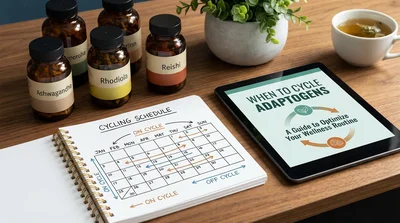
Keep a short log: what you take, when, and how you feel. After a few weeks, you can decide whether to continue, drop, or change something. Reassess every few months; your diet, lifestyle, and needs change. What made sense in winter may not be needed in summer; stress or illness might temporarily increase needs. There is no need to take a long list of supplements forever — adjust as you go.
Summary
- One at a time: Add new supplements gradually so you can notice effects and avoid overload.
- Avoid overlap: Check multivitamin and single-nutrient doses so you do not exceed safe limits.
- Timing: Space iron and calcium; be aware of other interactions and medicine interactions.
- Goals: Build a small, focused stack rather than taking everything at once.
Supplement stacking can be safe and effective when you start slowly, avoid doubling up on nutrients, and tailor your stack to your real needs and goals.
Compare quality supplements on iHerb at iHerb for informed choices.
Evidence and Practical Tips
Research on supplements has grown over the past decades. Most studies focus on specific doses and populations, so results are not always generalisable. Quality matters: choose products from reputable brands that disclose ingredients and dose per serving. Third-party testing (e.g. USP, NSF, ConsumerLab) when available adds assurance. Start with the lowest effective dose on the label and give any new supplement at least four to six weeks of consistent use before judging effect. Many factors influence how well a supplement works: your baseline status, diet, sleep, and lifestyle. Keeping a simple log of what you take and how you feel can help you and your provider decide whether to continue or adjust.
Supplements are not a substitute for a varied diet, adequate sleep, and regular physical activity. If you are pregnant, breastfeeding, or have a chronic condition, talk to your doctor before starting any new supplement. When in doubt, a short conversation with a doctor or dietitian can clarify whether a supplement is right for you and how to use it safely. Store supplements in a cool, dry place away from direct sunlight and keep them out of reach of children.
Individual response to supplements varies. Some people notice benefits within a few weeks; others need longer. If you take multiple supplements, be aware of possible interactions and avoid exceeding upper limits. A balanced approach—sleep, nutrition, movement, and stress management—remains the foundation; supplements can support but not replace these habits.