Turmeric and Curcumin: What They Are
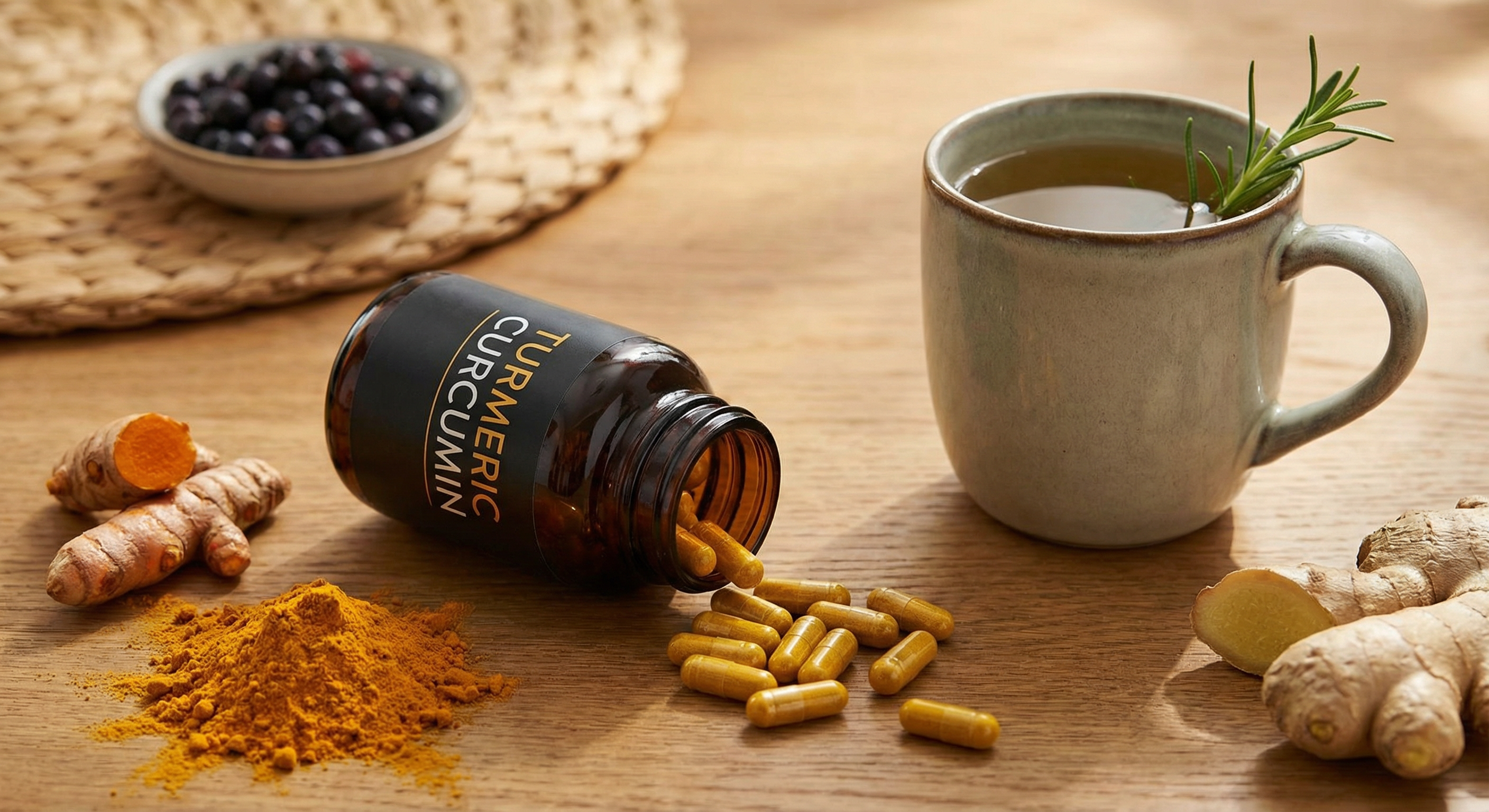
Turmeric (Curcuma longa) is a rhizome used for centuries in Ayurvedic and traditional medicine and as a culinary spice. Its main bioactive compound, curcumin, is responsible for much of its yellow colour and many of its studied effects, including antioxidant and anti-inflammatory activity. As an herbalist or integrative health practitioner, I note that curcumin on its own is poorly absorbed; it is often formulated with piperine (from black pepper), phospholipids, or other enhancers to improve bioavailability. This article focuses on evidence-based use: what the research suggests, how to choose and dose supplements, and when to be cautious.
Benefits Supported by Research
Most human research centres on inflammation and joint comfort. Some trials show that standardised curcumin or turmeric extracts can reduce markers of inflammation and improve joint function and pain scores in people with osteoarthritis, often in the range of 1–1.5 g curcumin daily for several weeks. Evidence for other uses—such as mood, cognitive support, or metabolic markers—is growing but less consistent; results vary by formulation, dose, and population. Curcumin has antioxidant properties in the lab; in the body, effects depend on how much is absorbed. Quality of studies varies; look for randomised controlled trials and meta-analyses rather than single small studies when making decisions.
Forms and Absorption
Plain curcumin has very low bioavailability. Piperine (black pepper extract) can increase absorption; many products combine the two. Phytosome (curcumin bound to phospholipids) and micellar or solubilised formulations are designed to improve absorption and may allow lower doses for similar effects. Full-spectrum turmeric extracts provide curcumin plus other turmeric compounds (turmerones, etc.); some people prefer these for a more “whole plant” approach. When comparing products, check the amount of curcumin (or curcuminoids) per serving and whether the product includes an absorption enhancer. Taking curcumin with a small amount of fat may also support absorption.
Dosing and Duration
Typical doses in studies range from about 500 mg to 2 g of curcumin (or curcuminoids) per day, often split into two doses. Higher doses are sometimes used in research; more is not always better and can increase the chance of digestive upset. Start with a moderate dose (e.g. 500 mg once or twice daily) and give it several weeks if you are using it for joint or inflammatory support. Effects, if any, are usually gradual. Do not use high-dose curcumin to replace prescribed anti-inflammatory or other medications unless your doctor agrees. For long-term use (months), periodic review with a healthcare provider is sensible.
Safety and Interactions
Turmeric and curcumin are generally well tolerated at common supplemental doses. Possible side effects include digestive discomfort, and very high doses may cause mild gastric irritation. Curcumin can thin the blood and may interact with anticoagulant and antiplatelet drugs; if you take such medications or have a bleeding disorder, discuss use with your doctor. It may also interact with certain chemotherapy drugs and diabetes medications. Pregnancy and breastfeeding: evidence is limited; many practitioners suggest avoiding high-dose curcumin supplements unless under professional guidance. Gallbladder disease: turmeric can stimulate bile; if you have stones or obstruction, seek medical advice before supplementing.
Takeaways
- Turmeric provides curcumin, which has anti-inflammatory and antioxidant potential; absorption is low without enhancers.
- Evidence is strongest for joint and inflammatory support; other uses are less well established.
- Choose a formulation with improved bioavailability (piperine, phytosome, or similar) and a clear curcumin dose.
- Dose often 500 mg–2 g curcumin daily; start moderate and allow several weeks; discuss with your doctor if on blood thinners or other medicines.
- Safety: generally well tolerated; caution with anticoagulants, gallbladder issues, and in pregnancy—seek professional advice.
Turmeric and curcumin can support wellness when used thoughtfully; prioritise quality, absorption, and safety in line with your health profile.
Evidence and Practical Tips
Research on supplements has grown over the past decades. Most studies focus on specific extracts, doses, and populations, so results are not always generalisable. Quality matters: choose products from reputable brands that disclose the ingredient, standardisation where applicable, and dose per serving. Third-party testing (e.g. USP, NSF, ConsumerLab) when available adds assurance. Start with the lowest effective dose on the label and give any new supplement at least four to six weeks of consistent use before judging effect. Many factors influence how well a supplement works: your baseline status, diet, sleep, other medications, and lifestyle. Keeping a simple log of what you take and how you feel can help you and your provider decide whether to continue or adjust.
Supplements are not a substitute for a varied diet, adequate sleep, and regular physical activity. If you are pregnant, breastfeeding, or have a chronic condition, talk to your doctor before starting any new supplement. Children and older adults may need different doses; professional guidance ensures safety and appropriateness. Do not use supplements to replace diagnosis or treatment for medical or mental health conditions. When in doubt, a short conversation with a doctor or dietitian can clarify whether a supplement is right for you and how to use it safely. Store supplements in a cool, dry place away from direct sunlight and keep them out of reach of children. Check the expiry date and discard any product that has changed in colour, smell, or texture.
Individual response to supplements varies. Some people notice benefits within a few weeks; others need longer or may not notice a clear effect. Genetics, diet, stress, and medication use all play a role. If you take multiple supplements, be aware of possible interactions and avoid exceeding upper limits for vitamins and minerals. Reading labels and staying within recommended doses is essential. A balanced approach—sleep, nutrition, movement, and stress management—remains the foundation; supplements can support but not replace these habits.
In summary, informed choices about supplements support your health goals when combined with lifestyle and professional advice. Give new supplements time to show effect; consistency and patience often matter more than quick fixes.