Why Flexibility and Mobility Matter
Flexibility (range of motion in a joint or muscle) and mobility (how well you control movement through that range) affect daily comfort, posture, and injury risk. Many people sit for long periods, which shortens hip flexors and can contribute to back tension. A structured 4-week programme focused on hips, hamstrings, and full-body stretches can establish a foundation for better movement and comfort. This programme is aimed at beginners — no prior yoga or stretching experience required.
Programme Overview
The programme runs 4 weeks with three sessions per week. Phase 1 (weeks 1–2), Mobility, focuses on hips and hamstrings: hip openers, lunges, and gentle hamstring stretches. Phase 2 (weeks 3–4), Range, expands to full-body stretches so shoulders, spine, and legs all get attention. Sessions can be 25–40 minutes. Consistency matters more than intensity — a little every few days beats an occasional long stretch.
Warm-Up and Safety
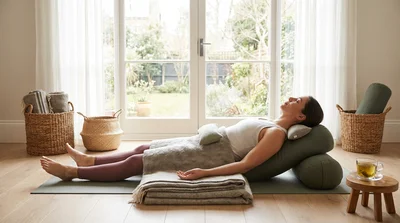
Start each session with a short warm-up: gentle movement (e.g. cat-cow, hip circles, arm circles) and maybe a few minutes of easy breathing. Do not force stretches cold; warm tissue responds better and is less prone to strain. Never push into sharp pain — discomfort at the edge of a stretch is normal, but pain is a signal to ease off. Use props (strap, block, blanket) if they help you stay comfortable and aligned.
Hips and Hamstrings
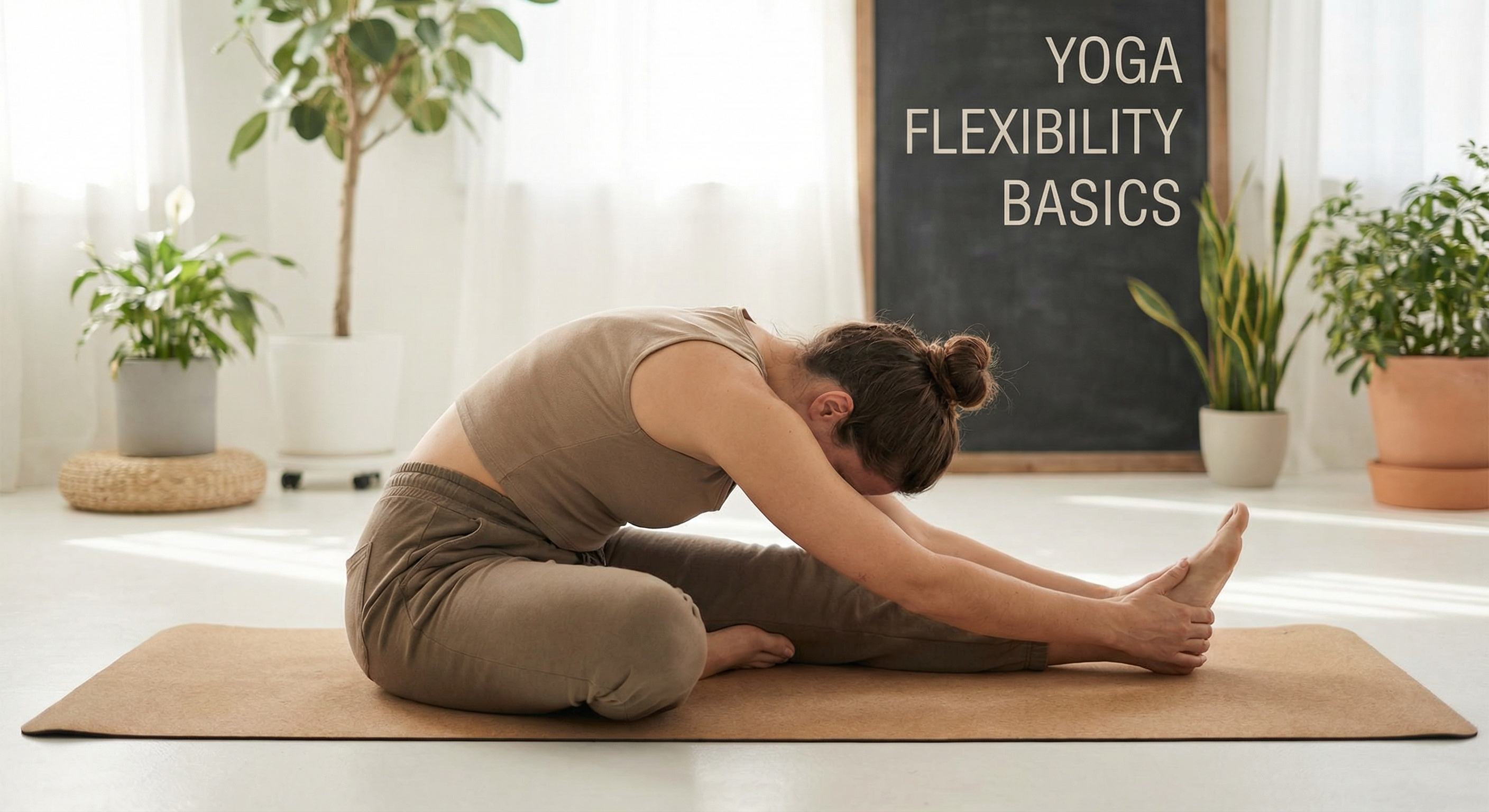
Tight hips and hamstrings are common. Hip openers like pigeon pose (or a supported version), butterfly, and low lunge can be done gently and held for 30–60 seconds per side. For hamstrings, seated forward fold with a bent knee on the tighter side, or standing forward fold with soft knees, lets you control the intensity. Breathe steadily; exhales can help you relax into the stretch a little more. Repeat the same stretches across the week so your body adapts.
Full-Body Stretches
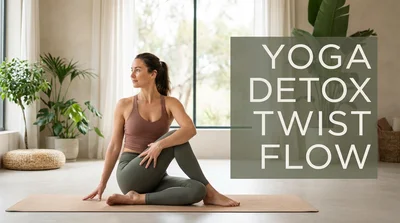
In weeks 3–4, add stretches for the whole body: chest and shoulders (e.g. doorway stretch, thread the needle), spine (e.g. seated twist, child’s pose), and calves (e.g. downward dog or wall stretch). This rounds out the programme so you are not only addressing one area. Again, hold for 30–60 seconds, breathe, and avoid pain. You can do the same sequence each session or rotate a few different stretches.
Static vs Dynamic
This programme uses mainly static stretching (hold a position for a period). You can add dynamic elements if you like — for example, leg swings or arm circles at the start — but the core is held stretches with steady breathing. Save intense or ballistic stretching for when you are more experienced; for a 4-week basics programme, slow and steady is safer and effective.
Summary
- Goal: Improve mobility and flexibility over 4 weeks with three sessions per week.
- Phases: Weeks 1–2 hips and hamstrings; weeks 3–4 full-body stretches.
- Safety: Warm up first; never push into pain; use props as needed.
- Consistency: Regular short sessions beat rare long ones.
This yoga flexibility basics programme gives you a clear structure to build better range of motion and comfort in a safe, beginner-friendly way.