
MSM for Joint Health: Dosage, Benefits, and Safety
Why This Topic Matters This topic affects many people who care about performance, health, or wellness. Understanding the evidence and how to apply it in practic...
Read MoreWhy This Topic Matters This topic affects many people who care about performance, health, or wellness. Understanding the evidence and how to apply it in practic...
Read MoreJoint injuries can sideline athletes and active adults for weeks or months. Prevention is better than cure: sensible load management, strength and mobility work...
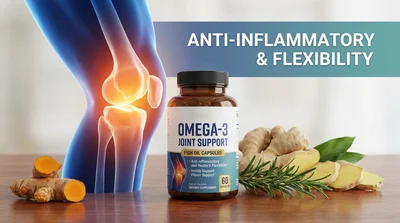
Read MoreOmega-3 and Joint Health: The Link Long-chain omega-3 fatty acids—EPA and DHA—are known for their role in heart and brain health and for modulating inflammation...
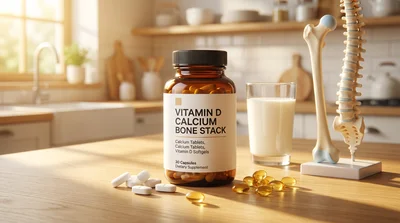
Read MoreVitamin D and Calcium for Bone Health Vitamin D helps your body absorb calcium; together they support bone density and strength. A "stack" of vitamin D plus cal...
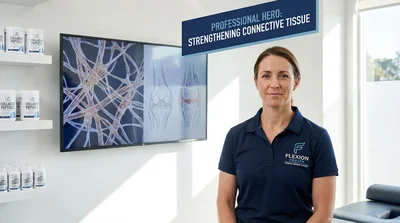
Read MoreTendon and Ligament Support: What the Evidence Shows Tendons and ligaments need time and load management to heal; some supplements may support the process. Coll...
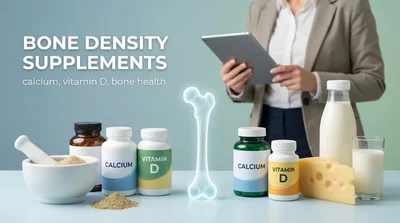
Read MoreBone density reflects the amount of mineral (mainly calcium) in your bones. Low bone density increases the risk of osteoporosis and fractures, especially as we...
Read MoreWhy This Topic Matters Boron is a trace mineral that receives growing attention for bone health, joint comfort, and mineral metabolism. As a sports medicine per...
Read MoreKnee discomfort is common among active people, athletes, and those with age-related changes. It can stem from load, movement patterns, previous injury, or wear...
Read MoreOverview This guide covers the main evidence and practical use of Mobility Joint Supplements Stack. Understanding the basics helps you make informed choices abo...
Read MoreWith age, cartilage and connective tissue can show more wear; combined with years of training, some athletes experience joint stiffness, discomfort, or a higher...
Read MoreTypes of Collagen Type I collagen is in skin, bones, tendons, and ligaments. Type II is in cartilage and joints. Type III often appears with type I in skin and...
Read MoreAfter menopause, declining estrogen is associated with accelerated bone loss and a higher risk of osteoporosis and fracture. Bone is living tissue that constant...
Read More