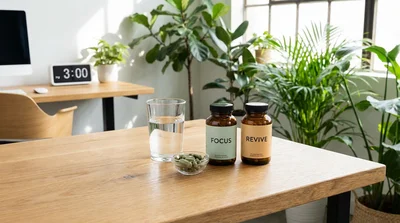
When you feel chronically tired, the first instinct is often to reach for caffeine. But stimulants can backfire: they may boost alertness quickly while worsening sleep, stress, or energy crashes later. Adaptogens are a different category. They are herbs or fungi traditionally used to help the body adapt to stress and maintain balance (homeostasis). In practice, adaptogens may support energy by improving stress resilience, helping regulate the stress response, and supporting mental performance under pressure. They are not a substitute for sleep, nutrition, or medical care, but they can be a helpful tool when used correctly.
In this guide, you will learn what adaptogens are, which ones are most commonly used for fatigue, how to dose and cycle them, how to build simple stacks, and how to avoid common safety mistakes. For shopping and comparison, you can browse adaptogen supplements and related herbal extracts.
What adaptogens can (and cannot) do for fatigue
What they can do: Many people use adaptogens to feel more stable energy, better stress tolerance, and improved mental stamina. The effect is often described as “less drained” rather than “wired.” Some adaptogens may help with perceived exertion during exercise, cognitive performance under stress, or subjective fatigue.
What they cannot do: Adaptogens cannot replace sleep debt recovery, treat anemia, fix hypothyroidism, or compensate for severe calorie restriction. If fatigue is new, persistent, or severe, consider checking basics first: sleep duration/quality, iron and B12 status, thyroid markers, vitamin D, medication side effects, depression/anxiety, and overtraining.
Top adaptogens for energy and fatigue (quick comparison)
Different adaptogens have different “profiles.” Choosing the right one depends on whether your fatigue is more physical, mental, stress-driven, or burnout-like.
- Rhodiola rosea: Often used for mental fatigue, stress-related exhaustion, and performance under pressure. Many people feel it within days.
- Eleuthero (Siberian ginseng): Traditionally used for endurance and long-term vitality; tends to be subtle and better for steady use.
- Ashwagandha: Commonly used for stress, sleep quality, and “tired but wired” patterns; may indirectly improve energy by improving recovery.
- Panax ginseng: Used for cognitive and physical performance; can feel stimulating for some.
- Schisandra: Used for stamina and stress resilience; sometimes paired with other adaptogens.
- Cordyceps: A medicinal fungus used for exercise capacity and respiratory support; evidence is mixed but it is popular in endurance circles.
Evidence: what research suggests
Adaptogen research ranges from promising to preliminary. Many studies are small, use specific extracts, and measure subjective fatigue or performance outcomes. That said, patterns appear:
- Rhodiola has human data suggesting potential benefits for stress-related fatigue and cognitive performance under fatigue. Effects are often modest but noticeable for some people.
- Ashwagandha is frequently studied for stress and sleep-related outcomes, with some trials showing improvements in perceived stress and sometimes sleep quality. Better sleep and lower stress can translate into better daytime energy.
- Ginseng has evidence for fatigue in some populations, but responses vary and it can feel too stimulating for some.
The most important practical takeaway: adaptogens are not “one size fits all.” You may need to choose one main adaptogen, use it consistently for 2–6 weeks, and judge results by sleep, mood, energy stability, and performance.
How to dose adaptogens for fatigue
Dosing depends on the extract and product standardization. The label matters. Start low, increase gradually, and track how you feel for at least 7–14 days before changing multiple variables.
Rhodiola dosing
- Typical use: Morning or early afternoon. Avoid late day if it disrupts sleep.
- General range: Often 200–400 mg/day of a standardized extract, depending on product strength.
- How it feels: Often clearer focus and less mental fatigue; sometimes mild stimulation.
Ashwagandha dosing
- Typical use: Evening or split dose (morning + evening), especially if the goal is stress recovery and sleep quality.
- General range: Commonly 300–600 mg/day of a standardized root extract, depending on product potency.
- How it feels: Often calmer, better stress tolerance; energy may improve via recovery.
Eleuthero dosing
- Typical use: Morning; often used for weeks at a time for “baseline stamina.”
- General range: Varies widely by form (capsule, tincture, extract). Follow product guidance.
Rule of thumb: If your fatigue is stress-driven with poor sleep, start with ashwagandha. If your fatigue is more mental and daytime, consider rhodiola. If you want subtle long-term support, consider eleuthero.
Cycling: when to take breaks
Some people prefer cycling adaptogens to maintain effect and reduce the chance of side effects. Common patterns include 5 days on/2 days off, or 6–8 weeks on followed by 1–2 weeks off. Cycling is not mandatory for everyone, but it can help you notice whether the adaptogen still provides benefit.
Simple stacks for energy (practical examples)
Stacks work best when each ingredient has a clear purpose. Avoid combining many new supplements at once.
Stack A: “Stress fatigue” (tired but wired)
- Ashwagandha (evening)
- Magnesium glycinate (evening, if tolerated)
- Optional: L-theanine with morning caffeine if you use caffeine
Stack B: “Mental fatigue” (focus and stamina)
- Rhodiola (morning)
- Optional: green tea or coffee in a moderate dose
- Optional: creatine monohydrate for overall performance support
Stack C: “Endurance baseline”
- Eleuthero (morning)
- Optional: cordyceps (morning or pre-workout)
- Electrolytes and adequate carbohydrates around training
Keep the foundation in place: adequate protein, sufficient calories for your activity level, and consistent sleep. Adaptogens amplify good basics; they rarely rescue poor fundamentals.
Safety, interactions, and who should be cautious
Adaptogens are generally well tolerated, but they are biologically active. Use extra care if you are pregnant or breastfeeding, have autoimmune disease, have thyroid disease, or take prescription medications.
- Sleep disruption: Rhodiola and ginseng can be too stimulating for some, especially later in the day.
- Blood pressure and heart rate: If you are sensitive to stimulants, start low and monitor.
- Thyroid considerations: If you have thyroid disease or take thyroid medication, discuss with a clinician before starting adaptogens like ashwagandha.
- Autoimmune conditions: Some herbs can modulate immune activity. Get medical guidance if you have autoimmune disease or use immunosuppressive therapy.
FAQ
How long until I feel results?
Some people notice rhodiola within a few days; ashwagandha often takes 2–4 weeks; eleuthero can be subtle and may take several weeks. Track sleep, daytime energy stability, and stress response rather than chasing a single “boost” moment.
Can I combine adaptogens with caffeine?
Yes, but start conservatively. If caffeine makes you anxious or crashes later, adaptogens will not always fix the underlying issue. Try lowering caffeine first and using adaptogens for stability.
Should I take adaptogens every day?
Many people do. If you notice tolerance or side effects, try cycling or reducing the dose. The best schedule is the one that supports energy and sleep without creating dependence.
A 4-week protocol to rebuild stable energy
If you want a simple way to test adaptogens without guesswork, use a structured protocol. The goal is not a short burst of motivation. The goal is steadier energy, better recovery, and fewer crashes.
Week 1: Choose one main adaptogen and set a baseline
- Pick one: rhodiola (morning) or ashwagandha (evening). Avoid starting both at the same time.
- Keep caffeine constant for this week so you can see what the herb does.
- Track simple markers: sleep onset, sleep quality, afternoon energy, and mood stability.
Week 2: Improve the foundation
- Add a consistent sleep window and a fixed wake time.
- Increase daily steps or add light zone-2 cardio if you are sedentary.
- Ensure you eat enough protein and do not run an aggressive calorie deficit.
Week 3: Add a second lever only if needed
- If energy is better but you still crash, consider adding electrolytes and improving hydration.
- If you train hard, evaluate carbs around training and total weekly volume.
- If stress is the main driver, add a short daily decompression routine (walk, breathing, journaling).
Week 4: Decide, simplify, and keep what works
- If the adaptogen helps, keep the lowest effective dose.
- If it helps but fades, try a cycle (for example 5 days on, 2 days off).
- If it does nothing after consistent use, stop and try a different option rather than stacking many herbs.
Nutrition and training factors that make adaptogens work better
Many fatigue problems look like a supplement gap but are actually a recovery gap. Small corrections can amplify the benefit you get from any adaptogen.
- Protein: aim for a consistent daily protein intake and distribute it across meals.
- Carbohydrates: very low carb intake can reduce training performance and increase perceived fatigue for some people. Consider carbs around workouts if you train regularly.
- Iron and B vitamins: low iron status and B12 deficiency can mimic burnout. If fatigue is persistent, consider labs with a clinician.
- Hydration: mild dehydration reduces cognitive and physical performance. Add water and electrolytes if you sweat or train.
- Training load: if you increase intensity and volume at the same time, fatigue rises quickly. Adjust one lever at a time.
Troubleshooting: if you feel worse
If you feel more anxious, irritable, or sleep gets worse, it usually means the timing or the product choice is not a fit.
- Sleep got worse: move rhodiola earlier, reduce dose, or switch to ashwagandha for evening recovery support.
- Anxiety increased: reduce caffeine first, then reassess. Some people do better with calmer adaptogens and lower stimulation overall.
- Energy feels flat: check calories and carbs, especially if you are dieting or training hard.
- Headache or GI discomfort: reduce dose, take with food if appropriate, or discontinue.
When to get medical guidance
Supplements are not a substitute for evaluating red flags. Consider a medical check if fatigue is unexplained, progressive, or associated with other symptoms.
- Fatigue plus shortness of breath, palpitations, dizziness, or chest discomfort
- Severe sleep disruption, persistent low mood, or panic symptoms
- Unexpected weight loss, fever, or night sweats
- Very heavy menstrual bleeding, history of anemia, or strict vegan diet without B12 support
Quality checklist: how to pick an adaptogen product
Two products with the same herb name can feel very different. Differences come from plant part used, extraction method, standardization, dose per capsule, and added ingredients.
- Look for standardization: many extracts specify active compounds on the label. This helps consistency from batch to batch.
- Check the actual dose: compare milligrams per serving, not just the number of capsules.
- Prefer simple formulas at first: multi-ingredient blends are harder to troubleshoot if you feel worse.
- Match timing to your response: if you are sensitive to stimulation, choose calmer options and take stimulating herbs early.
- Evaluate after a fixed window: commit to 2–4 weeks for most products, then keep or stop based on clear markers.
If you already use several supplements, consider a short “reset week” where you remove non-essential extras. Then reintroduce one product at a time. This approach is boring, but it is the fastest way to find what truly helps your energy and recovery.
Quick start: the simplest plan
If you want the shortest possible path, do this: pick one adaptogen, set a consistent sleep window, and keep caffeine moderate. For stress-driven fatigue, take ashwagandha in the evening for 3–4 weeks and track sleep quality and morning energy. For mental fatigue during the day, take rhodiola in the morning for 2–3 weeks and track afternoon crashes and work output. If you feel better, keep the lowest effective dose. If sleep gets worse or anxiety rises, reduce dose, move timing earlier, or switch to a calmer option. Avoid changing diet, training, and multiple supplements at the same time, because you will not know what caused the improvement.
Finally, remember that “more” is not always better. Many people do best with a moderate dose, earlier timing, and a consistent routine. Stable energy is usually built with repetition: good sleep, enough food, and a training plan you can recover from. Give the basics the same attention you give supplements. Consistency wins.
Key takeaways
- Adaptogens support energy by improving stress resilience, not by stimulating like caffeine.
- Rhodiola is often used for mental fatigue; ashwagandha is often used for stress recovery and sleep; eleuthero supports steady stamina.
- Start low, increase gradually, and evaluate after 2–6 weeks of consistent use.
- Prioritize sleep, nutrition, and training balance; use adaptogens as an add-on, not a replacement.