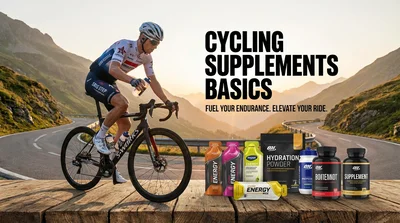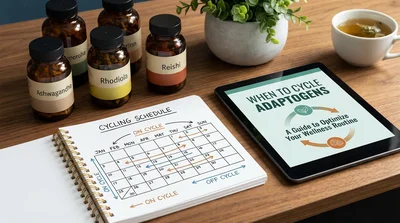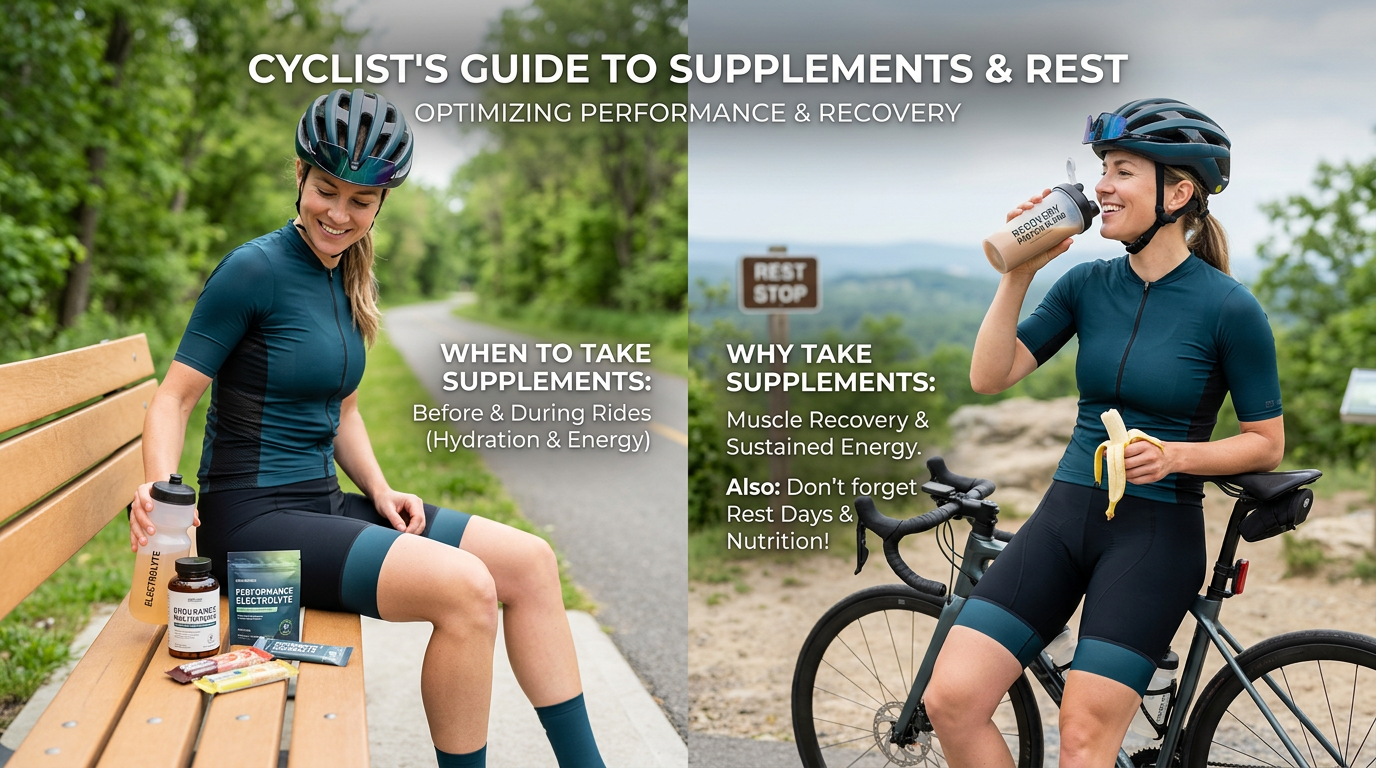
Deciding when and why to cycle supplements helps you get the most from evidence-based products without unnecessary complexity or risk. As a fitness and sports perspective, this guide covers when cycling is supported by research, which supplements are good candidates, and how to time phases with your training and goals. We also clarify when not to cycle and when to seek professional advice. For product options, see vitamins and supplements and energy formulas on iHerb.
When cycling is evidence-based
Cycling is most clearly supported when a supplement is intended for short-term use (e.g. pre-competition or a defined training block), when long-term continuous use is not well studied, or when you want to reassess your response. Some stimulant-based or adaptogen formulas are used in cycles in practice, though strong evidence that cycling is necessary is limited. In contrast, nutrients like creatine, omega-3, or vitamin D are typically used daily without cycling; the evidence does not support cycling them unless your doctor or dietitian advises it for a specific reason.
Why people cycle: goals and misconceptions
Common reasons for cycling include: matching a research protocol, reducing cost, avoiding perceived tolerance, or habit. Not all of these are evidence-based. For example, "tolerance" to creatine is not a practical concern; many people use it year-round. Cycling to "reset" sensitivity to stimulants like caffeine is a real phenomenon for some people, but individual response varies. Clarifying your goal (e.g. short-term performance peak vs. long-term health support) helps you choose whether to cycle and how.
Which supplements to consider cycling
Candidates often cited for cycling include: stimulant-based pre-workouts or caffeine stacks (e.g. 4–8 weeks on, 2–4 weeks off to preserve sensitivity), some adaptogens (e.g. rhodiola, ashwagandha) when used in focused blocks, and occasionally beta-alanine during long blocks with optional breaks. Even for these, evidence that cycling is required is limited; many people use them continuously or on training days only. Do not cycle essential nutrients (vitamin D, omega-3, B vitamins) without professional guidance. Never use cycling to justify high-dose or unapproved compounds.
Which supplements not to cycle
Do not cycle creatine monohydrate, vitamin D, omega-3 fatty acids, or B vitamins unless your healthcare provider recommends a specific schedule. These are typically used daily or on a consistent schedule. Cycling can create gaps in intake and make it harder to assess benefits. Multivitamins or mineral supplements are also usually taken daily; there is no evidence that cycling them improves outcomes. If a supplement causes side effects, the response is to reduce the dose or stop, not to cycle high doses.
How to time cycles with training
If you choose to cycle, align the "on" phase with periods when the supplement is most relevant: e.g. a creatine or beta-alanine phase during a strength or power block, or a pre-workout during a high-intensity phase. Use a clear start and end date and a consistent dose within the cycle. Keep training load, sleep, and nutrition as priorities; supplements support, they do not replace, these. After the off period, you can restart with the same or adjusted protocol. Log dates and doses so you can evaluate effect and any side effects.
Dosing and duration
Use evidence-based doses from the literature or product labels. A typical cycle might be 8–12 weeks on and 2–4 weeks off for non-essential performance supplements; adaptogens are sometimes used in similar patterns. Do not exceed upper limits or stack multiple stimulants without guidance. Consistency within a cycle matters; avoid changing products or doses frequently mid-cycle. If you use multiple supplements, consider interactions and whether cycling one while continuing another is appropriate for your goals.
Safety and interactions
Cycling does not eliminate the need for safety checks. Before starting any supplement, verify there are no interactions with your medications or health conditions. If you have cardiovascular, kidney, liver, or metabolic issues, or are pregnant or nursing, get clearance from your doctor. Do not use cycling as a way to use higher doses than recommended. Report any adverse effects to your healthcare provider and stop use if you experience concerning symptoms. Quality matters: choose brands with third-party testing and clear labeling.
Evaluating your response
Keep a simple log of what you take, when you start and stop, and how you feel or perform. This helps you decide whether a cycle was helpful and whether to repeat or adjust. Do not attribute all changes to a single supplement; training, diet, sleep, and stress all contribute. If possible, compare one or two cycles with and without the supplement to get a clearer picture. Share this with your coach or dietitian for personalized advice. Avoid switching many variables at once so you can identify what is helping.
Common mistakes
Mistake: Cycling everything "to be safe." Reality: Many supplements do not need cycling and benefit from consistent use. Mistake: Using long cycles of high-dose stimulants because you cycle. Reality: Cycling does not make high doses safe. Mistake: Stopping essential nutrients for long periods. Reality: This can create deficiencies; only cycle nutrients with professional guidance. Mistake: No log or plan. Reality: Without dates and doses, you cannot evaluate whether cycling is useful for you.
When to see a professional
Consult a doctor before cycling any supplement if you have medical conditions, take prescription drugs, or are pregnant or nursing. A sports dietitian can help design a simple, evidence-based plan that fits your training and goals. If you experience persistent side effects, stop the supplement and seek medical advice. For competitive athletes, a sports medicine provider or anti-doping resource can clarify which supplements are permitted and how cycling might affect detection windows.
Summary
- Cycle when short-term use is intended, when evidence supports it, or to reassess response; do not cycle essential nutrients without guidance.
- Good candidates for cycling (if desired) include some stimulant-based or adaptogen formulas; creatine, omega-3, and vitamin D are typically used daily.
- Time "on" phases with relevant training blocks; use evidence-based doses and clear start/end dates.
- Safety and interactions apply during the on phase; cycling does not justify high-dose or unsafe use.
- Log and evaluate; when in doubt or with health conditions, consult a doctor or dietitian.