How Antibiotics Affect the Gut
Antibiotics can reduce both harmful and beneficial bacteria in the gut, which may lead to digestive upset, diarrhoea, or a temporary drop in microbiome diversity. For most people, the gut gradually recovers after the course ends; the lining and immune cells in the intestine can help repopulate a healthy community of bacteria when supported by diet and sometimes probiotics. The extent of disruption depends on the type of antibiotic, duration, and individual factors. Supporting recovery with diet and targeted supplements can help many people feel better sooner.
Why Diversity Matters
A diverse microbiome is generally associated with resilience: different bacteria perform different roles in digestion, immune regulation, and production of short-chain fatty acids. Antibiotics can temporarily narrow diversity; diet and time allow many species to return. Broad-spectrum and longer courses tend to have a larger effect; repeated courses may compound impact. Recovery is often a matter of weeks to months rather than days, so patience and consistency with diet and probiotics are key.
Diet During and After Antibiotics
Eating a varied, fibre-rich diet (whole grains, legumes, vegetables, fruits, nuts, seeds) helps feed remaining beneficial bacteria and supports regrowth of a diverse microbiome. Fermented foods (yoghurt, kefir, sauerkraut, and similar) can add live microbes. Increase fibre gradually if you are not used to it to avoid bloating and gas. Stay well hydrated. Avoid excessive alcohol and highly processed foods, which can slow recovery and irritate the gut. A dietitian can help you plan meals that are gentle on the gut while providing enough fibre and variety.
Probiotics: When and Which
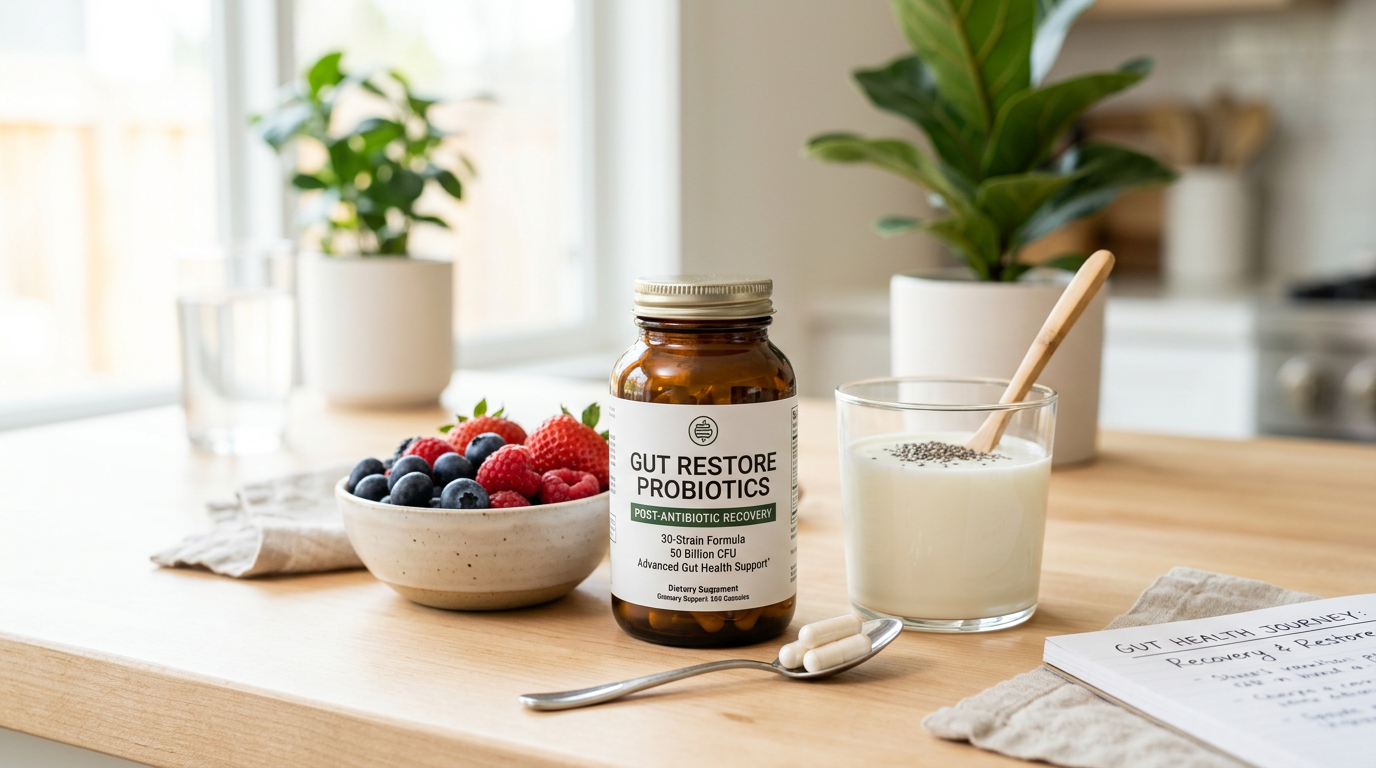
Taking probiotics during and after a course of antibiotics may help reduce antibiotic-associated diarrhoea and support gut recovery in some people. Space probiotics a few hours apart from the antibiotic dose so the antibiotic does not kill the probiotic bacteria; for example, take the antibiotic in the morning and the probiotic at lunch or evening. Strains such as Lactobacillus rhamnosus GG and Saccharomyces boulardii are well studied for this use. Products like adult probiotic on iHerb or other evidence-based formulations can be convenient. Continue for at least a few days to a few weeks after the last antibiotic dose; evidence suggests that longer use may help sustain diversity during the recovery period.
Prebiotics and Variety
Prebiotic fibres (in vegetables, legumes, whole grains, and some supplements) feed beneficial bacteria and may support diversity as the microbiome repopulates. Eating a wide variety of plant foods is more important than any single supplement; aim for different colours and types each week. Give your gut time; full recovery can take weeks to months depending on the person and the antibiotic. Do not rush into high doses of fibre or unfamiliar fermented foods; build up gradually to avoid discomfort.
When to See a Doctor
If you have severe or prolonged diarrhoea, blood in stool, fever, or signs of infection after antibiotics, see a doctor. Do not use probiotics as a substitute for completing the full antibiotic course as prescribed. People with weakened immunity, serious illness, or central lines should discuss probiotic use with their doctor before starting. A healthcare provider can also help if recovery is slow or symptoms persist beyond a few weeks.
Summary
- Antibiotics can temporarily reduce gut microbiome diversity; diet and probiotics may support recovery.
- Eat a varied, fibre-rich diet and fermented foods; increase fibre gradually.
- Consider evidence-based probiotics (e.g. L. rhamnosus GG, S. boulardii), spaced from antibiotic doses.
- Give recovery time; see a doctor for severe or prolonged symptoms.
Gut health after antibiotics is supported by diet, timing of probiotics, and patience; most people recover well with these steps. Browse probiotics on iHerb.