Why Quality Matters
Supplements are not all created equal. The market includes well-tested, accurately labelled products and others that may contain less active ingredient than stated, contaminants, or unnecessary fillers. Choosing quality supplements helps you get the benefits you pay for and reduces the risk of wasted money or unwanted side effects. This guide gives you practical steps to spot better options and avoid common pitfalls.
Look for Third-Party Testing
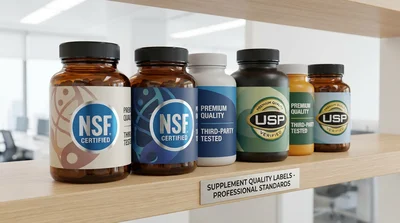
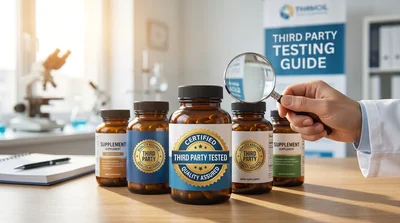
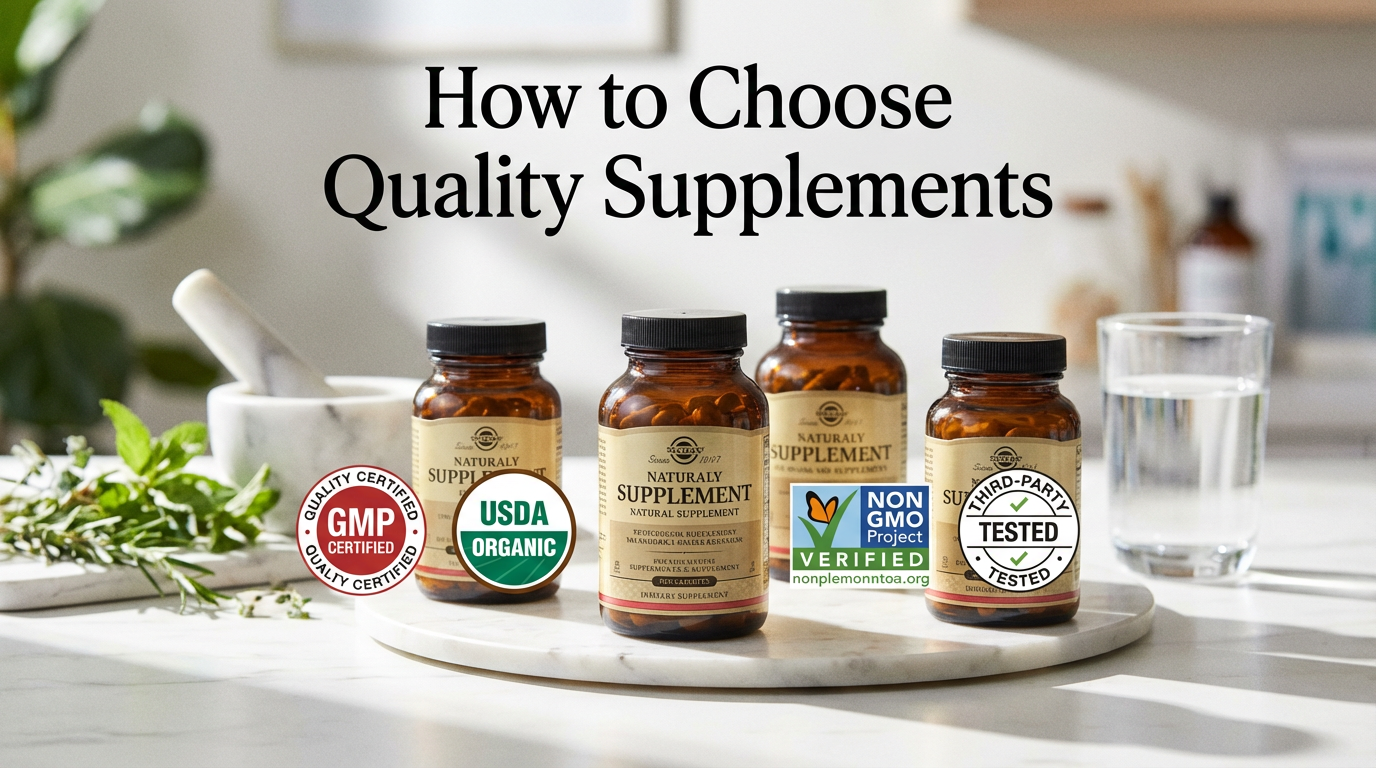
One of the strongest signals of quality is third-party certification or testing. Organisations such as NSF International, USP (United States Pharmacopeia), ConsumerLab, or Informed Sport test products for identity (is the ingredient what it says?), strength (is the dose accurate?), and purity (are there contaminants?). A seal or mention of such testing on the label or brand website suggests the product has been independently verified. Not every quality brand has a seal—some smaller brands are trustworthy but do not pay for certification—so use it as a useful cue, not the only criterion.
Read the Label and Supplement Facts
Check the Supplement Facts panel for the amount of active ingredient per serving and the form (e.g. magnesium citrate vs oxide, or vitamin D3 vs D2). Avoid products that hide behind proprietary blends without listing amounts: you cannot know if you are getting an effective dose. Look for clear ingredient names and minimal unnecessary additives. If you have allergies or dietary restrictions, scan the allergen and "other ingredients" sections carefully.
Choose Appropriate Forms
Some forms are better absorbed or more suitable for your goal. For example, vitamin D3 is typically preferred over D2 for raising blood levels; magnesium citrate or glycinate may be better tolerated than oxide; and creatine monohydrate is the most evidence-based form of creatine. A little research on the specific nutrient and your needs can help you pick the right form and avoid paying for fancy names that do not add benefit.
Consider Brand Reputation and Transparency
Established brands that share information about sourcing, manufacturing, and testing tend to be more reliable. Look for companies that disclose where ingredients come from, whether they use Good Manufacturing Practice (GMP) facilities, and if they test raw materials and finished products. Customer reviews and expert recommendations can help, but be wary of marketing hype and stick to brands that prioritise transparency and evidence.
Be Wary of Wild Claims
If a product promises dramatic results, "cures," or sounds too good to be true, treat it with caution. Quality supplements support health and performance within the limits of what nutrients and botanicals can do; they do not replace a balanced diet, sleep, or medical treatment. Avoid products that make unsubstantiated health claims or that are sold mainly through aggressive marketing rather than clear information.
Store and Use Correctly
Once you have chosen a quality product, store it as directed—usually in a cool, dry place, away from light and moisture. Check the use-by or best-before date and use within the recommended timeframe. Some supplements are best taken with food; others on an empty stomach. Following the label and your healthcare provider's advice helps you get the most from your supplement and keeps it safe and effective.
Red Flags on the Label
Watch out for products that list only "proprietary blend" without disclosing the amount of each ingredient; you cannot assess dose or value. Be cautious if the label makes drug-like claims (e.g. "cures" or "treats" a disease) or if the company relies heavily on testimonials instead of evidence. Missing or vague contact information, no batch or expiry information, or labels that do not match the product inside are also red flags. If you are unsure, compare with a brand that has third-party certification and clear labelling; when in doubt, ask a pharmacist or dietitian for guidance.
When to Ask a Professional
If you take prescription or over-the-counter medications, have a chronic condition, or are pregnant or breastfeeding, talk to your doctor or pharmacist before starting a new supplement. They can help check for interactions and suggest appropriate forms and doses. A dietitian can help you decide whether you need a supplement at all and which nutrients to prioritise based on your diet and goals. Do not use supplements to replace prescribed treatment without your doctor's approval.
Buying Online and in Retail
Whether you buy online or in store, choose reputable retailers and avoid unknown marketplaces where counterfeit or mislabelled products are more common. Check that the product has a clear label, batch information, and expiry date. When buying online, prefer the brand's official site or well-known retailers that have quality controls. Compare vitamins and supplements on iHerb for a wide selection of tested brands.
Frequently Asked Questions
Is the most expensive brand always better? No. Price does not guarantee quality. Look for third-party testing, clear labelling, and appropriate form and dose for your needs. Mid-range brands with good verification are often a better value than untested luxury products.
Are "natural" or "organic" supplements always safer? Not necessarily. Natural and organic refer to sourcing; they do not guarantee purity, dose accuracy, or absence of interactions. Prefer products that are tested and clearly labelled regardless of marketing terms.
How do I know if a supplement is working? For many nutrients, blood tests or other measures can help (e.g. vitamin D, iron). For general wellness, give the product time per label directions and track how you feel. If you notice no benefit or any adverse effects, stop and discuss with your healthcare provider.
Summary
Choosing quality supplements comes down to: looking for third-party testing when possible, reading labels for dose and form, preferring transparent and reputable brands, and avoiding wild claims. Combine this with a healthy diet and lifestyle, and use supplements to fill gaps or support specific goals—not as a substitute for good habits or professional care when you need it.
- Third-party testing: NSF, USP, ConsumerLab, or similar seals signal independent verification.
- Labels: Check active amount per serving and form; avoid proprietary blends with no amounts.
- Forms: Some forms absorb or work better; match form to your goal and tolerance.
- Transparency: Prefer brands that share sourcing, GMP, and testing information.
With these steps, you can make informed choices and get better value and safety from your supplements. Revisit your choices periodically as your health and goals change, and keep an eye on new evidence so you can adjust when needed.
What Research Shows About Supplement Quality
Studies and watchdog reports have repeatedly found that some supplements on the market contain less active ingredient than stated, wrong ingredients, or contaminants. This is why third-party testing and buying from reputable sources matter. Quality control varies widely between brands and facilities; choosing products that have been independently verified reduces the risk that you are wasting money or exposing yourself to unnecessary risk. No supplement can replace a balanced diet, sleep, or medical care; the goal is to get what you pay for when you do choose to supplement.
Expiry, Storage, and Batch Information
Quality also depends on how you store and use the product. Store supplements in a cool, dry place away from direct light and moisture; some may need refrigeration—check the label. Use by the use-by or best-before date; after that, potency can decline and in some cases the product may not be safe. Batch or lot numbers help with traceability if a recall or issue arises; reputable brands include this on the packaging. If the seal is broken or the product looks or smells off, do not use it.
Combining Supplements With Diet and Lifestyle
Supplements are meant to fill gaps or support specific goals, not replace whole foods or healthy habits. Before adding a supplement, consider whether you can meet your needs through diet (e.g. more oily fish for omega-3, or fortified foods for vitamin D). When you do supplement, match the form and dose to your goal and to evidence-based recommendations. More is not always better; some nutrients are harmful in excess. A dietitian or doctor can help you prioritise and avoid unnecessary or redundant supplementation.
Practical Checklist
- Look for a third-party seal (NSF, USP, ConsumerLab, or similar) when possible.
- Read the Supplement Facts: dose per serving, form, and list of ingredients.
- Avoid proprietary blends that do not list amounts.
- Choose forms that are well absorbed and match your goal (e.g. D3, magnesium glycinate).
- Prefer brands that disclose sourcing, GMP, and testing.
- Be sceptical of dramatic claims or "cure" language.
- Store as directed and use before the expiry date.
- When on medications or with health conditions, ask a doctor or pharmacist first.
Using this checklist helps you filter out low-quality or risky products and focus on options that are more likely to deliver value and safety. Quality supplements can support health when chosen wisely and used as part of a broader approach to diet and lifestyle.
When to Skip a Supplement
You may not need a supplement if you already get enough of a nutrient from diet (e.g. vitamin C from fruits and vegetables, or B vitamins from whole grains and animal products). Some people supplement "just in case," but unnecessary supplementation adds cost and, in a few cases, risk of excess. Certain populations do benefit from targeted supplementation: for example, vitamin D in northern latitudes or for those with low sun exposure, folate for pregnancy, or B12 for strict vegetarians and older adults. The key is to match the supplement to a real need rather than taking a long list of products without a clear rationale. If you are already eating a varied diet and have no known deficiencies, you may only need one or two supplements—or none at all. If you are unsure whether you need a particular supplement, a blood test or discussion with a dietitian or doctor can help. Focus first on a balanced diet, adequate sleep, and physical activity; add supplements only when there is a clear gap or goal that diet alone does not meet. Avoid stacking many single-nutrient supplements without a reason; a targeted approach is usually safer and more effective.
Recalls and Safety Alerts
From time to time, supplements are recalled due to contamination, mislabelling, or undeclared ingredients. You can check regulatory and consumer sites (e.g. FDA recalls, ConsumerLab, or your country's health authority) for alerts. When you buy a supplement, keep the packaging or note the batch number so you can check if it is ever recalled. Recalls are relatively rare for products from established, tested brands, but staying informed helps you act quickly if needed. If you experience an adverse reaction to a supplement, report it to your healthcare provider and consider reporting to the relevant authority so that others can be protected.
Buying from reputable brands and retailers that comply with good manufacturing practices reduces the chance of buying a product that is later recalled. If you hear about a recall for a product you use, stop taking it and follow the manufacturer or authority's advice; when in doubt, ask your pharmacist or doctor.Final Takeaways
Choosing quality supplements is about looking for independent verification, reading labels for dose and form, preferring transparent and reputable brands, and avoiding wild claims. Use supplements to fill gaps or support specific goals—not as a substitute for a healthy diet, sleep, or medical treatment. Combine these steps with professional advice when you take medications or have health conditions, and revisit your choices as your needs change. With a little effort, you can make informed decisions and get better value and safety from the supplements you choose. For a wide range of vitamins and supplements from brands that often carry third-party verification, you can browse and compare options on iHerb and use the referral code AGT1817 at checkout. Revisit your supplement choices once or twice a year as your diet, health, and goals change so you continue to get good value and safety. A practical checklist and attention to third-party testing, labels, and brand transparency will help you choose quality supplements with confidence. When in doubt, ask a pharmacist or dietitian for guidance. These steps will help you get better value and safety from the supplements you choose.