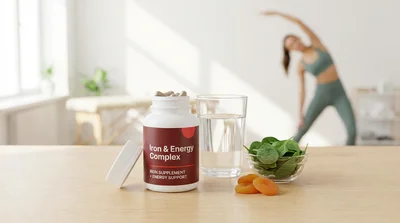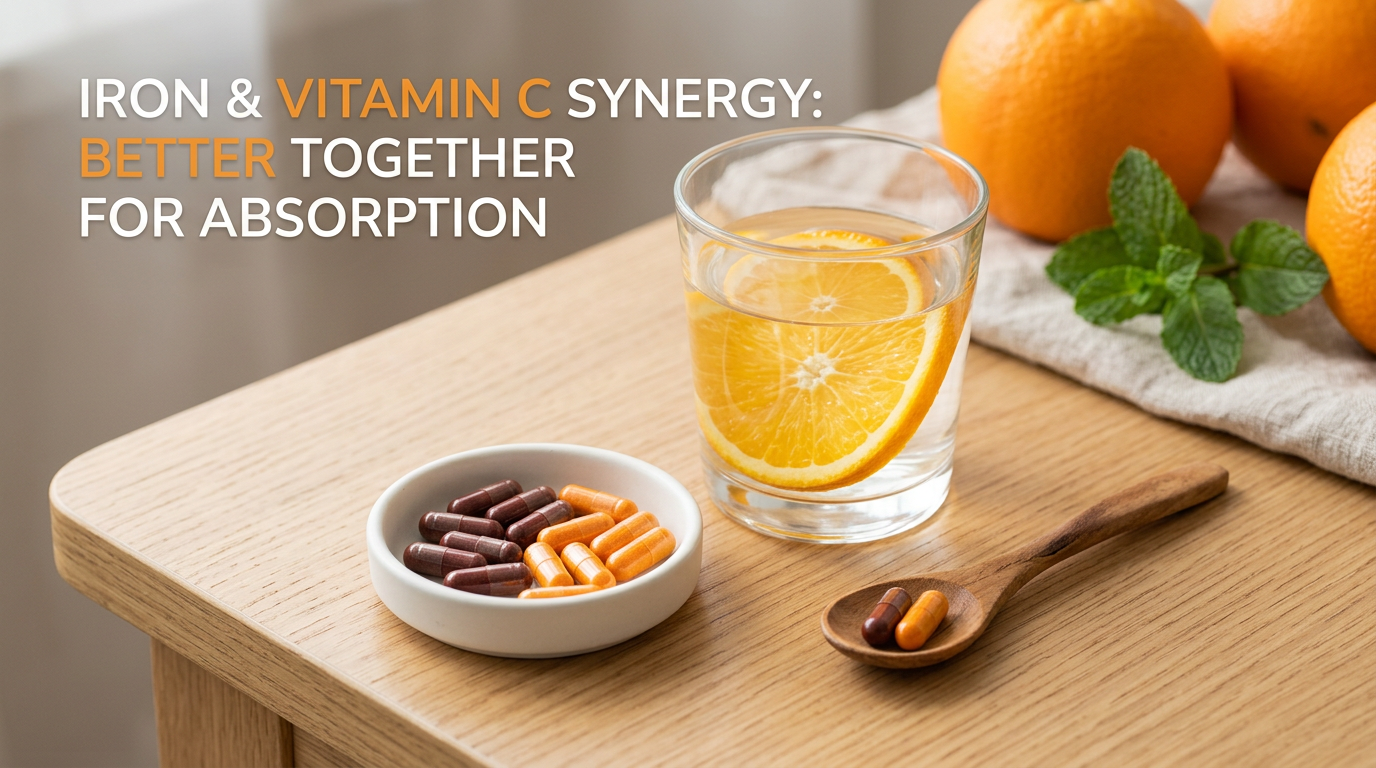
Iron is essential for oxygen transport, energy metabolism, and many other body functions. As a certified nutritionist, I often explain that iron from plant foods (non-heme iron) is absorbed less well than iron from animal sources (heme iron). Vitamin C (ascorbic acid) can convert ferric iron to the more absorbable ferrous form and can help counteract inhibitors such as phytates in grains and legumes. Pairing iron-rich plant foods with vitamin C–rich foods or a small amount of vitamin C at a meal is one of the most practical ways to improve iron status without supplements. When supplements are needed, taking vitamin C with iron can enhance absorption. This guide covers the evidence, food pairing in practice, when supplements may help, interactions (calcium, tea, coffee), and when to get tested. For quality options see iron on iHerb and vitamin C on iHerb; use doses recommended by your doctor or dietitian.
Why vitamin C helps iron absorption
Non-heme iron (from plants, eggs, fortified foods) is in the ferric (Fe³⁺) form, which is less well absorbed in the gut. Vitamin C reduces ferric iron to ferrous (Fe²⁺) iron, which is more absorbable, and it can also bind to iron in a way that keeps it soluble and available for uptake. In addition, vitamin C may partly counteract the effect of phytates (found in wholegrains, legumes, nuts) and other compounds that inhibit iron absorption. Research shows that adding 25–100 mg of vitamin C to a meal can substantially increase non-heme iron absorption; the effect depends on the amount of iron and vitamin C in the meal and on other factors (e.g. tannins in tea and coffee reduce absorption). You do not need megadoses of vitamin C; modest amounts from food or a small supplement with the meal are often enough to improve uptake. Heme iron from meat, poultry, and fish is already well absorbed and is less affected by vitamin C, but pairing still does not hurt and can help if the meal also contains plant sources of iron.
Food pairing in practice
Combine iron-rich plant foods with vitamin C–rich foods at the same meal. Good plant sources of iron include beans, lentils, chickpeas, tofu, spinach, kale, fortified breakfast cereals, and whole grains. Pair them with citrus (oranges, lemons, grapefruit), strawberries, kiwi, bell peppers, tomatoes, broccoli, or a small glass of orange juice. A squeeze of lemon on lentils or spinach, or adding tomatoes or peppers to a bean dish, are simple ways to add vitamin C. If you drink tea or coffee, have them between meals or at least an hour apart from iron-rich meals; tannins can reduce iron absorption. Calcium (from large amounts of dairy or calcium supplements) taken at the same time as iron can also reduce absorption, so if you take both iron and calcium supplements, take them at different meals (e.g. iron with breakfast, calcium with dinner) unless your doctor advises otherwise. A balanced diet with a variety of iron and vitamin C sources usually supports good iron status over time; vegetarians and vegans, and people who eat little red meat, can benefit most from intentional pairing.
How much vitamin C is enough?
Studies often use 25–100 mg of vitamin C per meal to enhance iron absorption; that is roughly the amount in a medium orange, a small glass of orange juice, or a serving of bell peppers or broccoli. The recommended daily allowance for vitamin C for adults is 75–90 mg (women–men); many people get more from diet. You do not need to exceed the RDA to improve iron absorption; the key is to include a source of vitamin C with iron-rich meals. If you take a vitamin C supplement, taking it with your highest-iron meal (or with an iron supplement if prescribed) can help. Very high doses of vitamin C are not necessary for this effect and can cause digestive upset in some people; stick to food or moderate supplemental doses unless your doctor suggests otherwise.
When supplements may help
If you have been diagnosed with low iron or iron-deficiency anaemia, your doctor may recommend an iron supplement. Taking vitamin C with the iron supplement can improve absorption; some formulations already include vitamin C. Use the dose and form (e.g. ferrous sulfate, ferrous bisglycinate) your doctor recommends and take it as directed—often on an empty stomach for better absorption, but if that causes stomach upset, with a small amount of food and a source of vitamin C. Do not self-treat suspected deficiency; get a blood test first. Taking iron when you do not need it can lead to iron overload in susceptible people and can cause side effects. After starting supplementation, your doctor may suggest a repeat test in a few months to check that iron status is improving. Once stores are replete, you may be able to maintain status with diet alone, including the food-pairing tips above.
Calcium and other interactions
Calcium from supplements or large amounts of dairy consumed at the same time as iron can reduce iron absorption. If you take both iron and calcium supplements, space them—for example iron with one meal, calcium with another—unless your doctor says otherwise. Antacids that contain calcium or aluminium can also reduce iron absorption; take them at a different time from iron if possible. Some medications (e.g. certain antibiotics, thyroid hormones) can interact with iron; discuss timing with your doctor or pharmacist. Tea and coffee contain tannins that bind iron and reduce absorption; having them an hour or more before or after an iron-rich meal (or iron supplement) can help. This is especially relevant for people who rely heavily on plant sources of iron.
Who is at risk of low iron?
Women of reproductive age (due to menstrual blood loss), pregnant women (increased needs), vegetarians and vegans, people who eat little or no red meat, and those with conditions that affect absorption or cause blood loss (e.g. inflammatory bowel disease, heavy periods) are at higher risk of low iron. Infants, young children, and adolescents also have high needs relative to intake. Athletes, especially female endurance athletes, sometimes have higher iron needs and losses; regular blood tests can help catch low ferritin before it affects performance. Older adults who eat less or have absorption issues may also need monitoring. If you have had stomach surgery (e.g. gastric bypass) or coeliac disease, iron absorption can be reduced; your doctor or dietitian will advise on the best form and timing of iron and vitamin C. If you fall into one of these groups or have symptoms such as fatigue, weakness, pale skin, or shortness of breath, ask your doctor for a blood test (e.g. ferritin, haemoglobin, transferrin saturation) to check iron status before starting supplements. Treating deficiency under medical guidance is safer and more effective than guessing.
Forms of iron in supplements
Common forms include ferrous sulfate, ferrous gluconate, and ferrous bisglycinate (ferrous bisglycinate is often better tolerated with fewer gut side effects). Ferric forms are less well absorbed than ferrous. Taking iron with vitamin C can help regardless of form. Some products combine iron and vitamin C in one tablet. Follow your doctor's or dietitian's recommendation on dose and form; do not exceed the prescribed amount. Iron supplements can cause constipation or stomach upset; taking with food (and vitamin C) or switching to a gentler form may help. Keep supplements out of reach of children; iron overdose can be dangerous.
Practical meal ideas that pair iron and vitamin C
Try lentil soup with a squeeze of lemon and a side of tomatoes or peppers; spinach salad with strawberries or orange segments; bean chilli with bell peppers and tomatoes; tofu stir-fry with broccoli and a splash of citrus; fortified cereal with orange juice or kiwi; or chickpeas with a tomato-based sauce. Smoothies that combine leafy greens (iron) with citrus or berries (vitamin C) can work if you are not having strong tea or coffee at the same time. The goal is to make pairing a habit at your main meals so that over time your iron intake is better used without needing large supplemental doses unless your doctor prescribes them.
Evidence and limitations
Randomised trials and balance studies have consistently shown that vitamin C increases non-heme iron absorption when given together with a meal or with iron supplements. The size of the effect varies with the meal composition and the dose of vitamin C. Long-term studies on whether vitamin C–rich diets or targeted pairing prevent iron deficiency are fewer, but the mechanism is well established and dietary advice to pair iron and vitamin C is widely recommended by health authorities and dietitians. If you have conditions that affect iron absorption (e.g. coeliac disease, gastric surgery), work with your doctor and dietitian; you may need higher doses of iron or different forms, and vitamin C remains a useful adjunct.
Summary
- Vitamin C enhances non-heme iron absorption; pair plant sources of iron with vitamin C–rich foods at the same meal.
- Limit tea and coffee at iron-rich meals; space calcium and iron when supplementing both.
- If supplementing iron, follow your doctor's advice and consider vitamin C with the dose.
- Get tested for iron status before starting supplements; re-check after a few months if treating deficiency.
- Vegetarians, vegans, and those who eat little red meat benefit most from intentional food pairing.
- Re-test iron status after a few months if you are supplementing, and adjust with your doctor.
Storing and choosing supplements
If you use iron or vitamin C supplements, store them in a cool, dry place and keep them out of reach of children. Choose products from reputable brands with clear labelling of dose and form. Iron and vitamin C can be bought separately or in combined formulations; your doctor or dietitian can recommend what fits your needs. Avoid taking more than one iron-containing product (e.g. multivitamin plus iron) without checking total iron intake and discussing with your doctor. Re-test iron status after a few months of supplementation to avoid overtreatment.
FAQ
Can I get enough iron on a plant-based diet?
Yes. Pair iron-rich plant foods (beans, lentils, tofu, spinach, fortified cereals) with vitamin C–rich foods (citrus, peppers, tomatoes, broccoli) at the same meal, and avoid drinking tea or coffee with the meal. Include a variety of sources and get your iron status checked periodically; supplement only if your doctor recommends it.
Should I take vitamin C with my iron supplement?
Yes. Taking vitamin C (from food or a small supplement) with your iron supplement can improve absorption. Some iron products already contain vitamin C; if not, have a glass of orange juice or fruit with the dose, or take a separate vitamin C tablet as advised by your doctor.
How long until my iron levels improve?
It depends on how low you were and the dose. Many people see improvement in haemoglobin within a few weeks; ferritin (stores) may take longer to replete. Your doctor will advise on when to re-test and when to adjust or stop supplementation.
Do tea and coffee really affect iron?
Yes. Tannins in tea and coffee can bind iron and reduce absorption. Having them an hour or more before or after iron-rich meals or iron supplements is a simple way to minimise the effect while still enjoying your drinks.
Final note
Optimising iron absorption with vitamin C and sensible timing supports energy and iron status when intake or status is low. Prioritise food: pair iron-rich plant foods with vitamin C–rich foods, limit tea and coffee at meals, and space calcium and iron when using supplements. Get tested before starting iron supplements and follow your doctor's or dietitian's advice on dose and form. For a range of iron and vitamin C products, see iron on iHerb and vitamin C on iHerb; choose products that match your needs and professional guidance. If you have symptoms of low iron or are at higher risk, a blood test and a tailored plan with your doctor or a registered dietitian are the best next steps. Consistency with food pairing and supplement timing improves absorption over time.