What Are Bifidobacterium Probiotics?
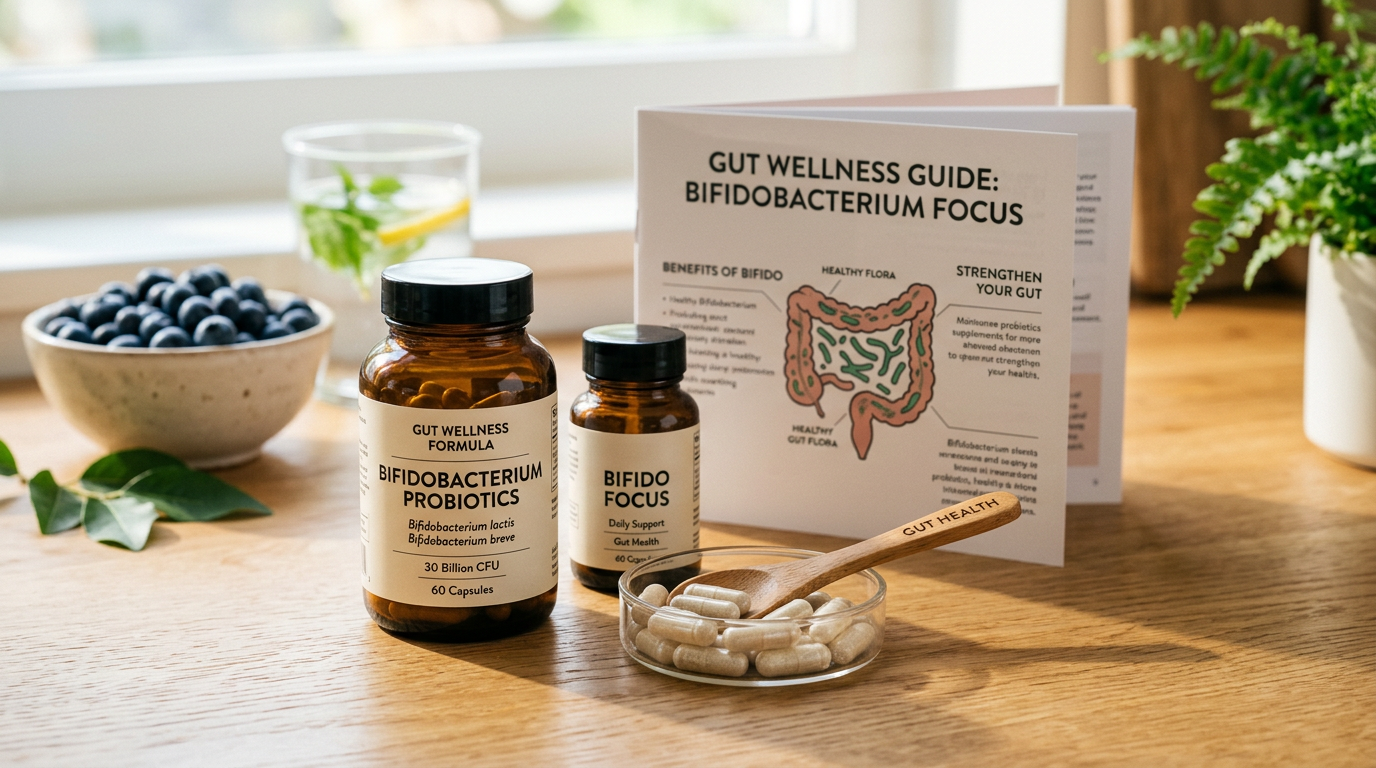
Bifidobacterium is a major genus of beneficial bacteria found in the human gut, especially the large intestine, and in many probiotic supplements. Different species and strains support digestion, immune function, and gut barrier health. Knowing which strains are well studied and what they do helps you choose a product that fits your goals. Probiotic options on iHerb: Culturelle and other probiotics.
Common Bifidobacterium Species and Strains
B. lactis is widely used in foods and supplements and is associated with digestive comfort and immune support. B. longum is one of the most common species in the human gut; strains are studied for gut barrier and mood-gut axis. B. bifidum is often found in infant and adult formulations and may support gut ecology. B. breve is studied for digestive and immune health. Look for the full strain name on the label (e.g. B. lactis BB-12) rather than just the species. Multi-strain products often combine Bifidobacterium with Lactobacillus for broader coverage.
Benefits for Gut and Immunity
Bifidobacterium strains help maintain a balanced microbiome, support regular digestion, and may reduce occasional bloating or discomfort. Some strains are linked to immune modulation and gut barrier integrity. Effects can vary by person and strain; consistency and adequate dose (usually in CFU) matter. Probiotics do not replace a fibre-rich diet or medical treatment when needed. Bifidobacterium is especially abundant in the colon and may support fermentation of fibre and production of short-chain fatty acids.
When to Consider Bifidobacterium Supplements
People taking antibiotics, those with occasional digestive issues, or anyone wanting to support gut health after travel or diet changes may benefit from Bifidobacterium-based products. Choose strains with evidence for your concern (e.g. digestion or immunity). Not everyone needs a supplement; fermented foods like yoghurt and kefir also contain Bifidobacterium. If you have a serious condition or weakened immunity, talk to your doctor first. Elderly adults sometimes have lower Bifidobacterium levels; supplements may be considered in that context.
Dosing and Form
In studies, doses often range from 1 to 10 billion CFU or more per day depending on strain and goal. Multi-strain products may list total CFU and sometimes per-strain amounts. Refrigerated formulas can better preserve viability; follow storage instructions. Taking probiotics with or during a meal may improve bacterial survival through the stomach. Capsules and powders are common; choose a form that fits your routine and storage conditions.
Quality and Choosing a Product
Choose products that state the full strain name (genus, species, strain code), CFU at end of shelf life, and storage conditions. Third-party testing (e.g. ConsumerLab, USP) can verify claims. Avoid products that do not list strains or make exaggerated health claims. Several weeks of consistent use are often needed for a noticeable effect. Check expiry and store as directed; some Bifidobacterium strains are more oxygen-sensitive and benefit from protective packaging.
Summary
- Bifidobacterium is a key genus of probiotic bacteria with many species and strains.
- Strain-specific effects exist; B. lactis, B. longum, and B. breve are well studied.
- Benefits may include digestive comfort, gut barrier support, and immune modulation.
- Pick products with clear strain and CFU information; consider third-party testing.
- Combine with a fibre-rich diet and discuss with a doctor if you have health concerns.
A Bifidobacterium probiotic can be a useful part of gut health when chosen and used as part of a balanced diet and lifestyle.