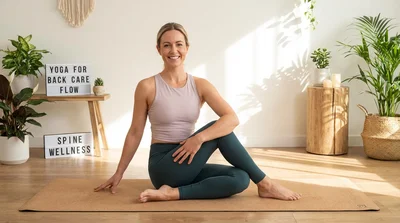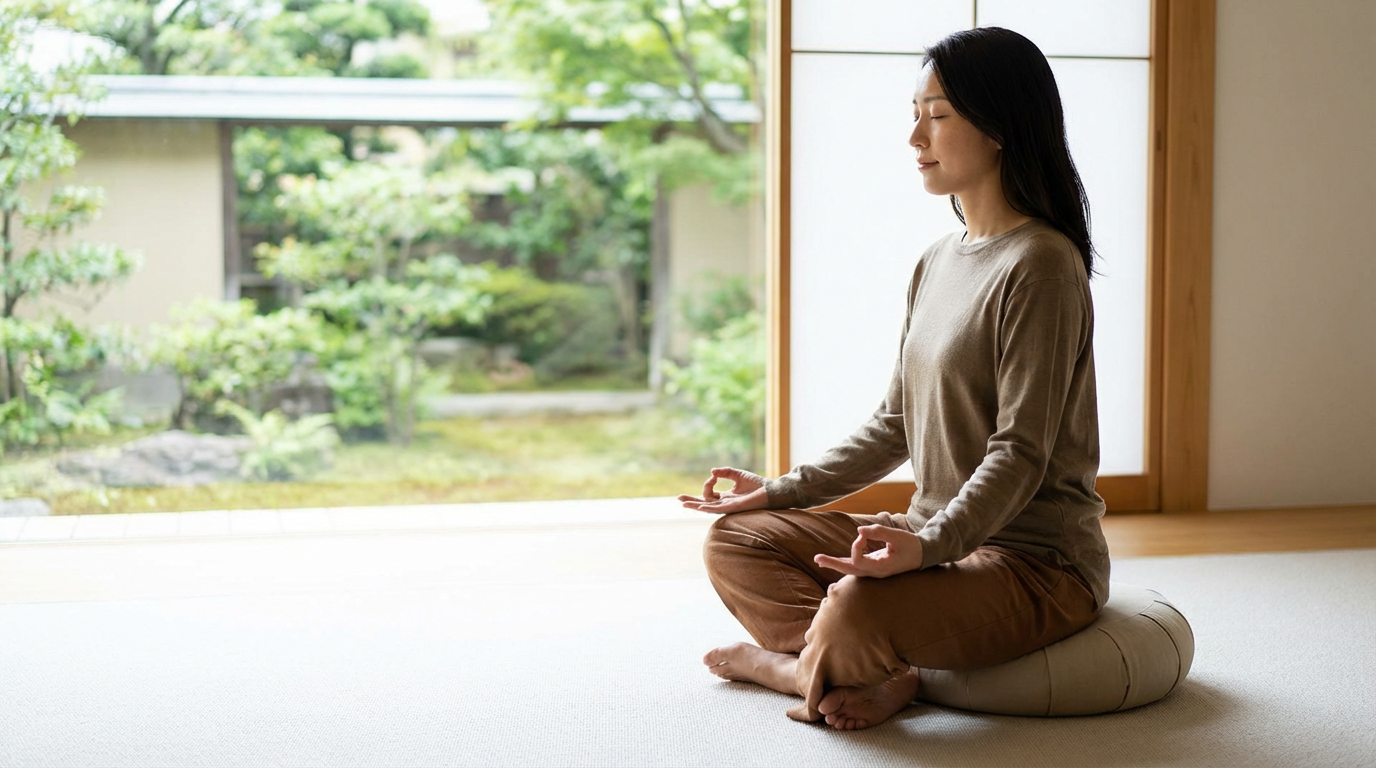
Why Posture Matters for Meditation
A stable, comfortable seated posture is the foundation of effective meditation and breathwork. When your body is balanced and at ease, you can sit longer without distraction, breathe more freely, and direct attention inward instead of toward discomfort or fidgeting. Traditional teachings emphasize that posture supports the mind: an upright but relaxed spine is said to facilitate alertness and clarity while avoiding both collapse (which invites dullness) and rigid tension (which blocks subtle breath and relaxation). The aim is not a perfect shape but a sustainable one—a position you can hold for the duration of your practice without strain or numbness.
Research in mindfulness and contemplative practice consistently highlights the role of body position. Slumping compresses the diaphragm and can make deep, even breathing harder; overarching the lower back creates tension and fatigue. A relatively straight spine from tailbone to crown allows the breath to move naturally and supports circulation and alertness. For many people, adding height under the hips—with a cushion, block, or folded blanket—is the single most effective adjustment: it tilts the pelvis slightly forward, neutralizes the lower back, and makes it easier to sit tall without gripping. Whether you sit on the floor or in a chair, the principles are the same: stability, comfort, and a spine that can remain relatively straight without force.
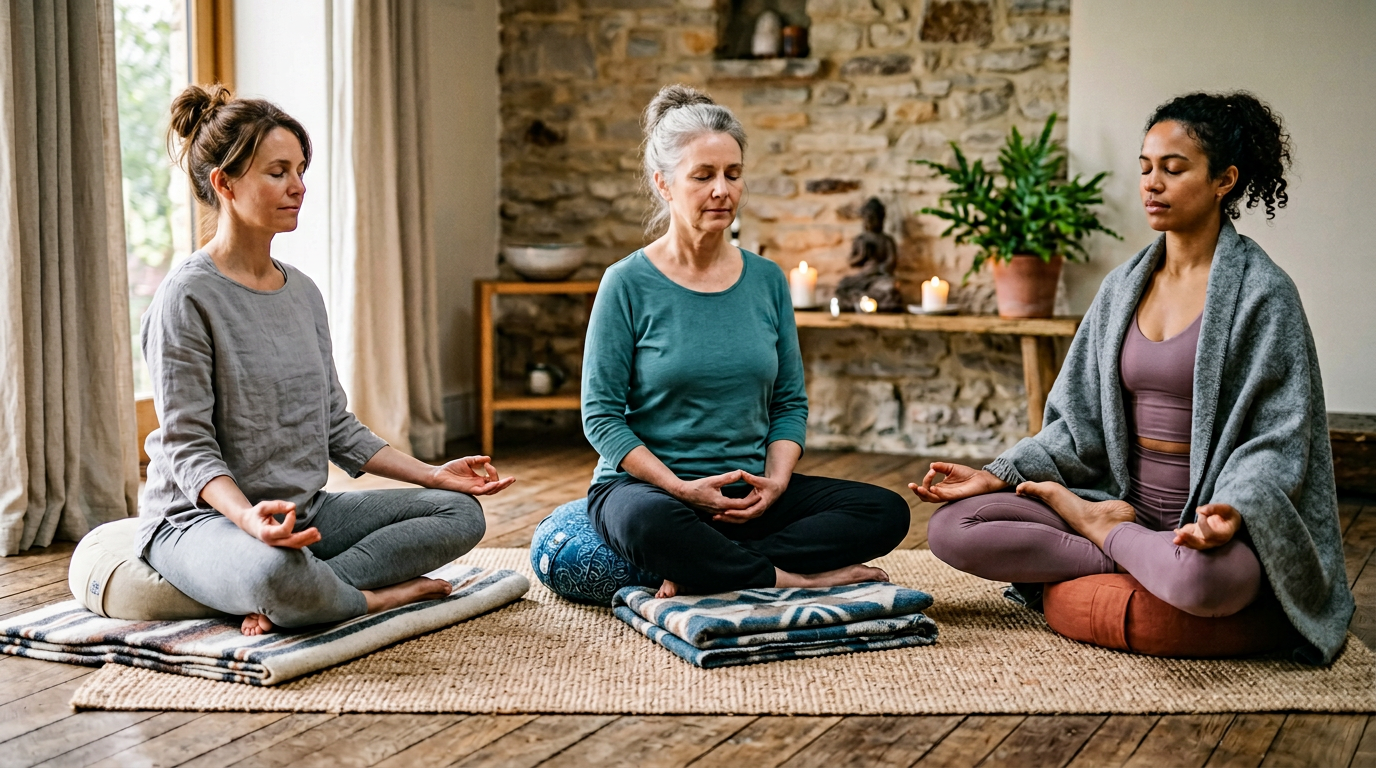
Classic Seated Poses for Meditation
Several classic seated poses appear again and again in yoga and meditation traditions. Choosing among them depends on your flexibility, any knee or hip limitations, and what feels steady and comfortable for you.
Easy Seat (Sukhasana)
Easy seat is cross-legged with each foot tucked under the opposite knee or ankle, so the legs form a loose cross in front of the pelvis. It is the most accessible floor option for most people. If the knees rise well above the hips, sit on a cushion, block, or folded blanket so that the hips are elevated; this reduces strain on the hip flexors and lower back. Swap which leg is in front from time to time to balance the stretch. Easy seat is ideal for beginners and for anyone who finds more demanding poses uncomfortable.
Burmese Position
In the Burmese position, both legs are folded in front of you with the feet on the floor and the legs stacked or slightly staggered rather than crossed. The knees can rest on the floor or on supports. This pose is often gentler on the knees than full cross-legged positions and is widely used in Southeast Asian meditation traditions. As with easy seat, use a cushion or pad under the sit bones if your knees are higher than your hips, and support the knees with small cushions or rolled towels if they feel strained or float.
Half Lotus and Full Lotus
In half lotus (Ardha Padmasana), one foot rests on the opposite thigh near the hip crease; the other foot stays under the opposite knee or thigh. In full lotus (Padmasana), both feet rest on the opposite thighs. These poses create a very stable base and are classic in many lineages, but they demand flexible hips and healthy knees. Never force the knees or ankles; forcing can lead to injury. If you have tight hips or any knee issues, prefer easy seat, Burmese, or kneeling. If half or full lotus is comfortable for you, alternate which leg is on top to keep the body balanced.
Kneeling (Seiza or on a Block)
Kneeling removes the need for deep external rotation at the hips. In seiza, you sit back onto the heels with the tops of the feet on the floor (or on a cushion). Sitting on a low meditation bench or a firm block placed between the feet achieves a similar upright posture with less pressure on the ankles and tops of the feet. Kneeling is an excellent option when the hips or knees are tight, and it naturally encourages a slight forward tilt of the pelvis. Use a cushion under the shins or between the heels and the seat if there is pressure or discomfort.
Chair
Meditation in a chair is fully valid and often the best choice for beginners, anyone with limited mobility, or when the floor is not practical. Sit with your feet flat on the floor, knees roughly over the ankles. Move slightly forward so the spine is away from the backrest and you are self-supporting. Place the hands on the thighs or in the lap. Ensure the chair height allows the thighs to be roughly parallel to the floor so the hips are not lower than the knees. Chair meditation is used in many clinical and secular mindfulness programs and is no less “real” than floor sitting.
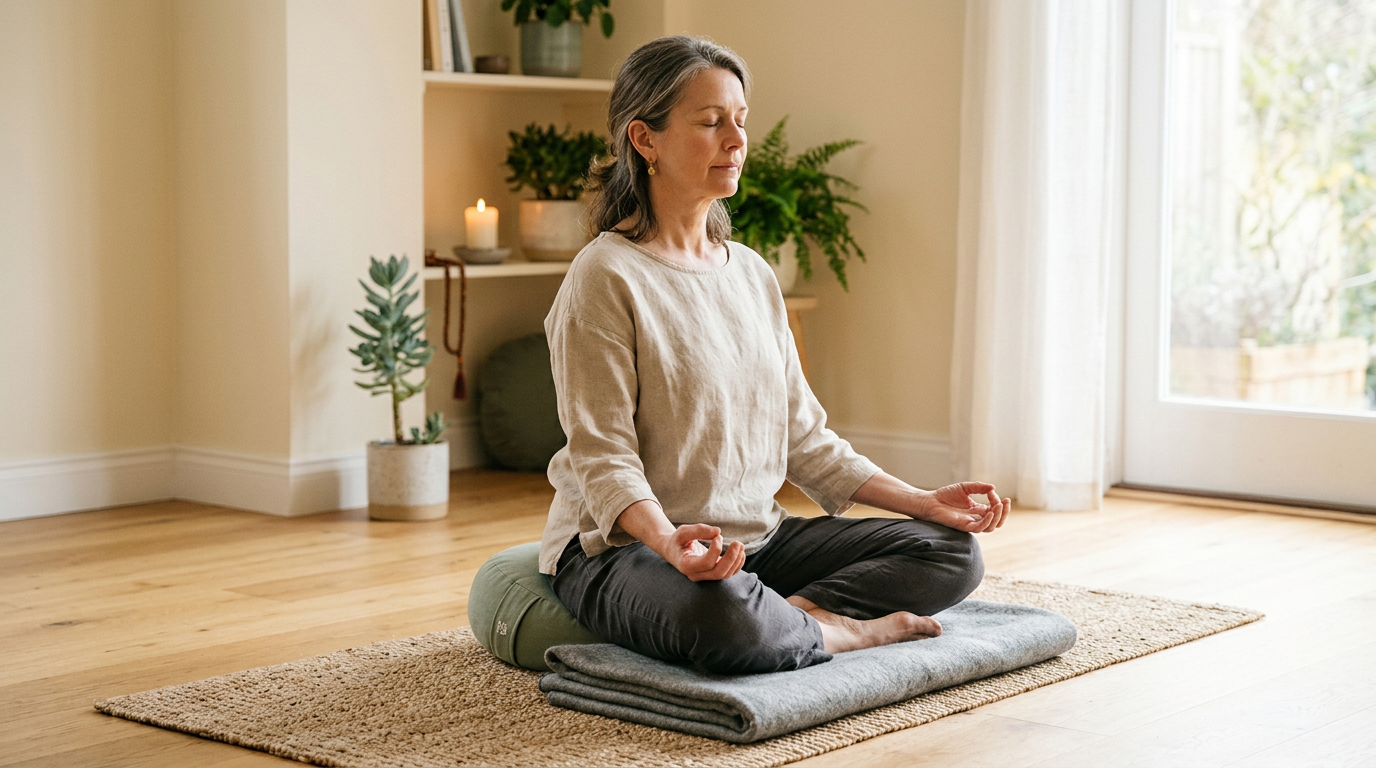
Props and Adjustments
Props make seated meditation more comfortable and sustainable. The main goal is to get the hips at or above the level of the knees so the pelvis can tilt slightly forward and the spine can stack without slumping or overarching.
Cushions (zafu, meditation cushion). A firm, rounded cushion raises the hips and is the most common prop for cross-legged and kneeling postures. Choose a height that brings your knees level with or below your hips. If one cushion is not enough, stack two or add a folded blanket underneath.
Yoga block or meditation bench. A firm block under the sit bones works well for easy seat or Burmese when you need moderate height. A meditation bench (seiza bench) is designed for kneeling: you kneel and sit back onto the bench, which slopes forward to support a neutral spine.
Blankets. Folded blankets can add height under the hips, cushion the ankles or knees in kneeling, or pad the floor under the legs. They are versatile and easy to layer for fine-tuning.
Knee and ankle support. If the knees float or feel strained in cross-legged poses, place a small cushion or rolled towel under each knee. In seiza, a cushion under the shins or between the heels and the buttocks can reduce pressure on the ankles and feet. Always prioritize comfort and safety over a “pure” pose.
Breath and Alignment
Once you are seated, alignment supports both physical comfort and the quality of your breath. Aim for a spine that is relatively straight from the tailbone to the crown of the head—not rigid, but tall and open. Let the shoulders relax down and slightly back so the chest is not collapsed; the hands can rest on the knees (palms up or down) or in the lap. A slight tuck of the chin helps keep the neck in line with the spine and avoids straining the back of the neck. Relax the jaw and the belly; avoid holding the breath or clamping anywhere.
Breath awareness is central to many meditation and breathwork practices. An upright posture allows the diaphragm to move freely so the breath can deepen and slow without force. If you notice shallow or held breath, check whether the spine has rounded or the shoulders have crept up—small adjustments often restore easier breathing. There is no need to force a particular breathing pattern at first; simply allowing the breath to flow and occasionally noticing the rise and fall of the belly or the movement at the nostrils can anchor attention and support relaxation.
Common Issues and How to Address Them
Knees higher than hips. This is one of the most common sources of lower back and hip strain. Add height under the sit bones (cushion, block, or blanket) until the hips are at or above the level of the knees. This tilts the pelvis forward and usually relieves discomfort quickly.
Knee pain or strain. Do not force lotus or any pose that stresses the knees. Switch to easy seat with less crossing, Burmese, kneeling, or a chair. Use cushions under the knees if they feel unsupported or “float” in cross-legged poses.
Numbness in the legs or feet. Numbness often comes from compression of nerves or blood flow. Change position, stretch the legs, or switch to a chair. Avoid staying in a position that causes numbness; prolonged numbness can lead to nerve irritation.
Lower back rounding or pain. Increase height under the hips. If you still round, try kneeling or a chair so the pelvis can tilt forward without the effort of holding the legs in a cross-legged position. Check that you are not overarching the lower back—aim for a long, neutral spine.
Slumping or drowsiness. Lift the chest slightly, draw the shoulders back, and ensure the crown of the head reaches upward. Opening the eyes slightly or meditating with a soft gaze can help maintain alertness. If you are very tired, a shorter sit or a slightly more active practice may be more appropriate than fighting sleep.
Neck or shoulder tension. Relax the shoulders away from the ears, soften the jaw, and ensure the chin is not jutting forward. Let the hands rest heavily on the knees or in the lap to encourage the shoulders to release.
Step-by-Step Guidance for a Seated Meditation Posture
- Choose your base. Decide whether you will sit on the floor (easy seat, Burmese, half lotus, full lotus, or kneeling) or in a chair. If on the floor, gather a cushion, block, or blanket.
- Set up height. Place your cushion, block, or blanket so that when you sit, your hips will be at or slightly above the level of your knees. For kneeling, position the bench or block between the feet or sit back onto the heels with padding as needed.
- Take your seat. Sit down and settle. If cross-legged, adjust the legs so both knees and feet are comfortable; add support under the knees if they float or feel strained. If in a chair, feet flat, spine away from the backrest.
- Align the spine. From the tailbone, lengthen upward through the spine to the crown of the head. Relax the shoulders down and back. Rest the hands on the knees or in the lap. Soften the chin and the jaw.
- Check and relax. Scan for tension in the jaw, neck, shoulders, or belly. Breathe naturally and allow the body to settle. If something is painful or numb, adjust or change position.
- Hold for your chosen time. Start with 5–10 minutes and build gradually. Consistency matters more than duration. When you finish, move slowly and stretch the legs before standing.
Summary and Takeaways
- Posture supports meditation and breathwork by reducing physical distraction and allowing a relatively straight spine and easy breathing. Stability and comfort matter more than achieving a “perfect” pose.
- Classic seated options include easy seat (most accessible), Burmese, half lotus, full lotus (only if comfortable—do not force), kneeling (seiza or on a block), and chair. Choose what works for your body.
- Use props: a cushion, block, or blanket under the hips so the hips are at or above the knees; support under the knees or ankles as needed. Props make longer sitting sustainable.
- Align the spine from tailbone to crown; relax the shoulders and jaw; rest the hands comfortably. Let the breath flow naturally without forcing.
- Address common issues by adding height under the hips, supporting the knees, avoiding force on the knees or ankles, and switching to a chair or kneeling when floor sitting is uncomfortable or causes numbness.
- Build duration gradually (e.g. 5–10 minutes at first). Consistency beats length. Chair meditation is valid and often preferable for beginners or anyone with mobility or joint concerns.
Finding a stable, comfortable meditation posture is a practical skill that improves with a little attention to setup and alignment. Start with the options that feel doable, use props freely, and adjust as needed so your body supports your practice rather than distracting from it. Over time, you may find that you can sit a bit longer or try a different pose as your flexibility and familiarity grow—but there is no requirement to progress to lotus or to sit for hours. Short, regular practice in a sustainable posture is more valuable than occasional marathon sits in an uncomfortable one. For herbs and supplements that may support relaxation and focus, see herbs on iHerb.