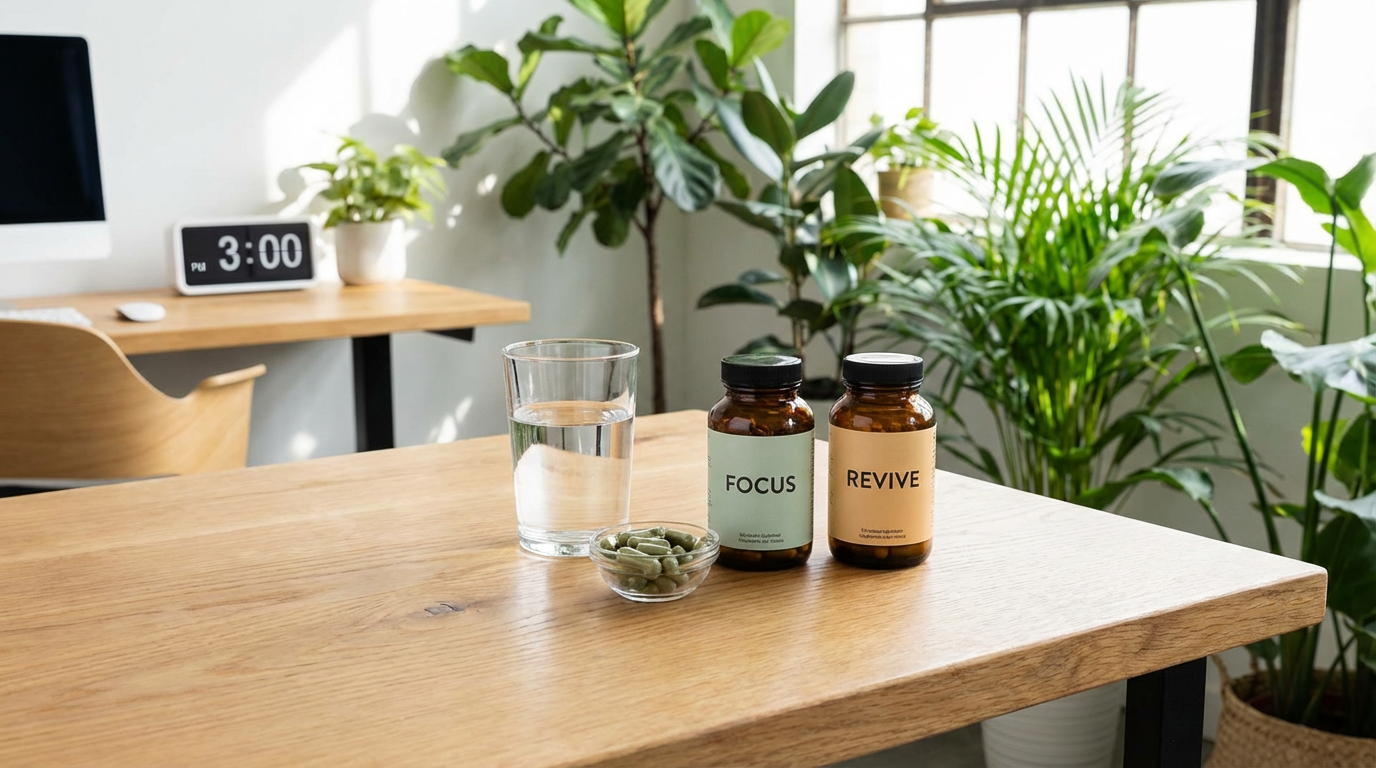
Many people hit a wall in the mid-afternoon: focus drops, energy fades, and the urge to nap or reach for another coffee is strong. This topic affects anyone who cares about performance at work, in the gym, or in daily life. Understanding the evidence and how to apply it in practice helps you make better choices. As a fitness trainer would stress: supplements are only one lever—sleep, nutrition, and activity patterns matter at least as much. Research in this area has grown; we summarize what is well supported and what remains uncertain so you can tailor your approach. For product options, see energy formulas and B-complex vitamins.
Why This Topic Matters
The afternoon slump is often a mix of circadian dip, post-lunch blood sugar and digestion, dehydration, and sometimes poor sleep or low nutrient intake. Supplements cannot fix chronic sleep debt or a diet that is too low in calories or key nutrients. They can, however, support energy metabolism and mental alertness when the basics are in place. Quality studies point to several consistent findings: some interventions show clear benefits for specific goals or populations; others are promising but need more data. We focus on practical takeaways: dosing, timing, form, and how to combine supplements with habits like sleep, meals, and movement.
What the Evidence Shows
B vitamins (especially B12, folate, B6) play a role in energy metabolism and red blood cell formation; deficiency can cause fatigue. Supplementing when deficient can help; megadoses in already replete people usually do not add a noticeable “boost.” Iron deficiency is another common cause of afternoon (and all-day) fatigue, especially in active women and vegetarians—supplements help when status is low but should be guided by testing. Caffeine and timing: a small amount of caffeine in the afternoon can improve alertness, but too much or too late can disrupt sleep and worsen the next day. Adaptogens (e.g. rhodiola) are used by some for mental fatigue and stress-related slumps; evidence is mixed but they are a popular option. Omega-3s and vitamin D are more about general health and mood than a direct “afternoon pick-me-up,” though adequacy supports overall energy.
Key Supplements for Afternoon Energy
B-complex or B12: Useful when intake is low or status is deficient; follow label or practitioner guidance. No need for huge doses if you are not deficient.
Iron: Only if testing shows low ferritin or anemia; do not self-supplement high doses without checking, as excess iron is harmful.
Rhodiola: Some people take it in the morning or early afternoon for mental stamina; typical dose 200–400 mg standardized extract. Avoid late in the day if it affects sleep.
Caffeine (e.g. green tea or coffee): A modest amount in the early afternoon can help alertness; keep it small and before 2–3 p.m. if you are sensitive to sleep disruption.
Magnesium: Supports energy metabolism and often lacking in diets; more relevant for overall recovery and sleep than an instant afternoon fix.
Dosage, Timing, and Safety
Most interventions have an effective range. Too little may do nothing; too much can cause side effects or diminishing returns. Follow evidence-based dosing from guidelines or quality studies. Consistency usually matters more than a single large dose. Take B vitamins with food; iron on an empty stomach (or as directed) and separate from calcium and caffeine for better absorption. If you take other supplements or medications, check for interactions. For example, iron can interfere with thyroid medication absorption; B6 in very high doses long-term can cause neuropathy. When in doubt or with health conditions, seek professional advice.
Lifestyle First: What Actually Moves the Needle
Prioritize sleep, nutrition, and stress management; add targeted support as needed. A consistent sleep schedule, a balanced lunch (protein, fiber, not oversized), staying hydrated, and a short walk or stretch in the afternoon often do more than any single pill. As a fitness trainer would say: fix the training recovery and nutrition plan before leaning on supplements for the slump.
When to See a Doctor
If your afternoon slump is severe, persistent, or accompanied by other symptoms (e.g. dizziness, palpitations, weight change, mood changes), get checked. Thyroid dysfunction, anemia, sleep disorders, and depression can all present as fatigue. Blood work (iron, B12, folate, TSH, vitamin D) can guide targeted supplementation.
Practical Protocol: Beating the Slump
Week 1: Lock in sleep (same wake time, enough hours) and lunch (balanced, not too heavy). Add a 10–15 minute walk or light movement after lunch. Note when the slump hits and how you feel. Week 2: If basics are solid, consider adding one supplement—e.g. B-complex with breakfast if your diet is low in Bs, or a small coffee or green tea mid-afternoon if you tolerate caffeine. Do not add multiple new supplements at once. Week 3–4: Adjust timing and dose based on effect. If you use rhodiola, take it in the morning or by early afternoon. Recheck sleep quality—sometimes “slump fixes” that add caffeine or stimulants make sleep worse and the next day harder.
What to Avoid
Megadoses of B vitamins “for energy” when you are not deficient; stacking many stimulants; late-day caffeine if you have sleep issues; self-prescribing high-dose iron without testing. More is not better—targeted use based on need and evidence is safer and more effective.
Evidence in Detail: What Really Helps
Randomized trials on “afternoon slump” specifically are limited; most evidence comes from studies on fatigue, cognitive performance, or sleep. B-vitamin supplementation in deficient populations improves fatigue and sometimes cognitive outcomes; in replete populations, extra B vitamins rarely show a clear energy benefit. Rhodiola has been studied for mental fatigue and performance under stress; effects are modest and variable. Caffeine is well established for alertness; the key is dose and timing so it does not undermine sleep. Iron supplementation in deficient individuals (especially women and athletes) can resolve fatigue; excess iron is toxic, so testing first is important. As a fitness trainer would emphasize: the biggest gains usually come from fixing sleep, meal timing, and training load—then add supplements where there is a clear gap (e.g. low B12, low iron).
Meal Composition and the Afternoon Slump
Large, heavy lunches rich in refined carbs and low in protein or fiber can worsen the post-lunch dip. Blood sugar may spike and then fall, leaving you sleepy and unfocused. A balanced lunch—protein, vegetables, whole grains or modest carbs—helps keep energy more stable. If you notice a clear slump 1–2 hours after eating, experiment with a lighter lunch, a walk after the meal, or splitting lunch into a smaller meal plus a mid-afternoon snack. Many people find that reducing portion size and adding protein and fiber reduces the severity of the afternoon crash more than any supplement.
Hydration and Electrolytes
Mild dehydration can mimic fatigue and brain fog. If you drink little in the morning or sweat during exercise, you may be slightly dehydrated by afternoon. Aim for steady fluid intake; if you are active or in a warm environment, consider electrolytes (sodium, potassium, magnesium) from food or a low-sugar drink rather than relying on excess caffeine. Sometimes a glass of water and a small salty snack do more for afternoon alertness than another coffee.
Circadian and Light Tips
Your body has a natural dip in alertness in the early afternoon (often 1–3 p.m.). You cannot eliminate it entirely, but you can soften it. Get bright light in the morning to reinforce your circadian rhythm; take a short walk or step outside in the afternoon to get natural light and movement. Avoid long periods of dim lighting and screens without breaks. If you work from home, a short change of scenery or a few minutes of movement can reset focus better than another stimulant.
Tracking Your Slump
For 1–2 weeks, note the time the slump usually hits, what you ate for lunch, how much you slept, and whether you had caffeine (and when). Patterns often emerge: for example, the slump is worse after poor sleep or after a very heavy meal. That information guides where to intervene first—sleep, meal size, or a single well-chosen supplement—rather than stacking multiple supplements blindly.
Supplements to Avoid or Use With Caution
Avoid megadoses of B vitamins when you are not deficient; they do not provide extra energy and very high B6 long-term can cause nerve issues. Do not self-prescribe high-dose iron without a blood test; excess iron is harmful. Avoid stacking many stimulants (multiple caffeine sources plus stimulant adaptogens plus energy drinks). If you have anxiety or sleep problems, late-day caffeine or high-dose stimulants usually make things worse. Stick to one or two targeted interventions and give them time to work.
FAQ
Is it okay to have coffee in the afternoon? For many people, a small amount before 2–3 p.m. is fine. If you are sensitive, switch to decaf or green tea (less caffeine) or skip it and try a short walk and hydration instead.
Can adaptogens replace caffeine? They work differently—adaptogens tend to support resilience and steady energy rather than a sharp stimulant kick. Some people use both in moderation; others prefer one or the other.
How long until I notice a difference? If you are deficient in B12 or iron, improvement can come within weeks of adequate supplementation. For lifestyle changes (sleep, lunch, movement), give it 1–2 weeks to see a pattern.
What if I work night shifts? Night workers face a reversed circadian rhythm; the “afternoon” slump may hit at different times. Prioritize blackout curtains, consistent sleep time, and light exposure when you need to be alert. Caffeine timing should support your schedule (e.g. at the start of your “day”) and stop several hours before your intended sleep. Supplements are secondary to sleep and schedule management.
Summary
- Afternoon slump is often circadian, dietary, and sleep-related; supplements support, they do not replace, good habits.
- B vitamins and iron help when status is low; avoid megadoses when replete.
- Caffeine and adaptogens (e.g. rhodiola) can help alertness when used with sensible timing.
- Prioritize sleep, balanced meals, hydration, and movement; add targeted support as needed.
- When in doubt or with persistent fatigue, seek professional advice and consider blood work.
For more options, browse adaptogens and supplements and tailor choices to your diet, sleep, and goals.
Quick Reference: One-Week Experiment
Day 1–2: Fix sleep (same wake time, 7–8 hours) and lunch (balanced, not oversized). Add a 10-minute walk after lunch. Day 3–4: Add hydration—water in the morning and before the usual slump time. Day 5–7: If you still need support, add one supplement: B-complex with breakfast if your diet may be low in Bs, or a small coffee or tea before 2 p.m. if you tolerate caffeine. Track when the slump hits and how you feel. After one week you will have data to decide whether to continue, adjust, or try a different lever (e.g. iron or vitamin D only if testing suggests deficiency). The goal is to find the smallest change that reliably improves your afternoon energy without hurting sleep or causing side effects. If you still feel stuck, a blood panel (iron, B12, folate, TSH, vitamin D) can identify gaps that supplements can address; lifestyle and one or two targeted supplements usually beat a long list of pills. Remember: the afternoon dip is partly biological; the goal is to smooth it, not to eliminate it with stimulants that cost you sleep or create dependency. Small, consistent changes—sleep, lunch, a short walk, and at most one or two supplements—are the most sustainable approach. If you train hard, ensure enough carbohydrates and recovery; underfueling amplifies the afternoon dip. A light snack (e.g. fruit and nuts) mid-afternoon can help some people avoid a crash without overdoing caffeine or sugar. Final takeaway: fix sleep and meals first; add one or two supplements only when there is a clear gap (e.g. low B12 or iron). Track for at least one to two weeks before adding more; consistency beats a stack of pills. Use the same approach for each locale: prioritize sleep and meals, then add at most one or two targeted supplements and recheck after two weeks. This keeps the plan simple and effective.