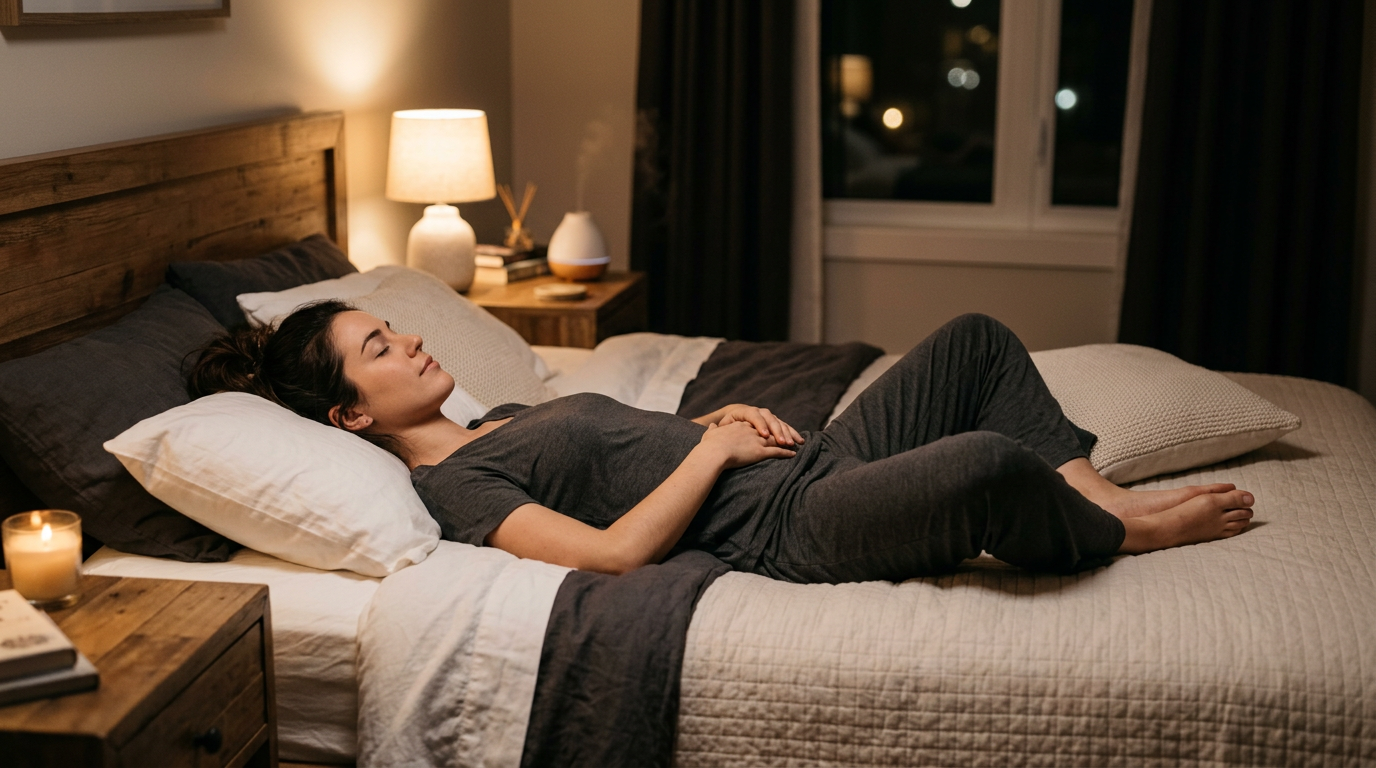
Why Yoga Before Bed Can Support Sleep
Gentle yoga in the evening can ease physical tension and shift the nervous system toward rest. This flow avoids strong backbends or inversions that might be stimulating; instead it emphasises forward folds, hip openers, and supported rest. It is not a substitute for treatment of insomnia—consult a doctor for persistent sleep problems.
Studies suggest that mind-body practices, including yoga, may improve sleep quality and reduce perceived stress. Keeping the practice slow and breath-led helps signal the body that it is safe to rest. You can complement recovery with calming adaptogens or herbs used for relaxation, as part of a broader sleep routine.
Poses in This Bedtime Flow
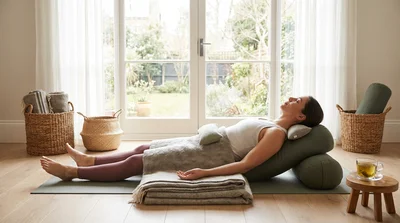
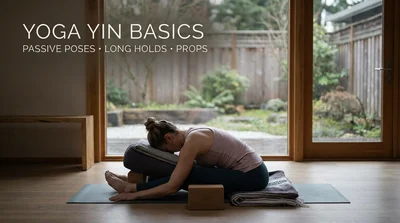
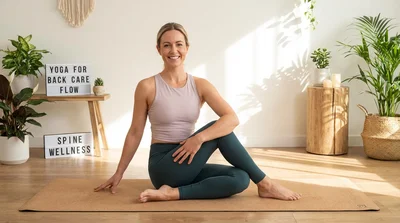
Child's Pose (Balasana), Seated Forward Fold (Paschimottanasana), Reclined Twist (Supta Matsyendrasana), and Legs-Up-the-Wall (Viparita Karani) are central. Add a supported Bridge or Happy Baby if time allows. Hold each pose for at least five to ten breaths; prioritise comfort over depth.
Breath and Environment
Use long exhales to activate the parasympathetic response. Dim the lights and avoid screens after practice. Finish with Savasana for five to ten minutes. If you use supplements for sleep, take them as directed and keep a consistent bedtime.
Who It Is For
Suitable for most adults, including beginners. Modify for pregnancy (avoid deep twists and compression) and for any injury. If you have glaucoma or high blood pressure, avoid or shorten Legs-Up-the-Wall; consult your doctor when unsure.
Summary
A bedtime yoga flow uses gentle poses and breath to support relaxation and sleep. Practice regularly as part of sleep hygiene; combine with a dark, cool room and consistent schedule. Herbs and adaptogens can support but not replace good sleep habits.
Evidence and Practice Tips
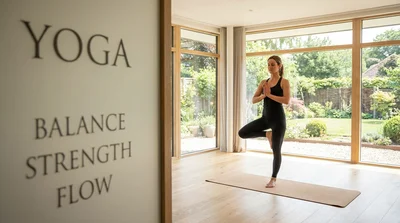
Yoga is widely used for fitness, stress relief, and sleep support. Evidence suggests that regular practice can improve flexibility, balance, and subjective well-being. Safety: avoid forcing poses; respect pain and dizziness. If you have injuries or medical conditions, work with a qualified teacher or healthcare provider. Supplements such as herbs and adaptogens may support recovery and relaxation but do not replace good sleep hygiene, diet, or medical care. Choose products from reputable sources; follow dosing and consult when taking other medications. Consistency and a calm environment matter more than intensity for bedtime practice.
Evidence and Practice Tips
Yoga is widely used for fitness, stress relief, and sleep support. Evidence suggests that regular practice can improve flexibility, balance, and subjective well-being. Safety: avoid forcing poses; respect pain and dizziness. If you have injuries or medical conditions, work with a qualified teacher or healthcare provider. Supplements such as herbs and adaptogens may support recovery and relaxation but do not replace good sleep hygiene, diet, or medical care. Choose products from reputable sources; follow dosing and consult when taking other medications. Consistency and a calm environment matter more than intensity for bedtime practice.
Evidence and Practice Tips
Yoga is widely used for fitness, stress relief, and sleep support. Evidence suggests that regular practice can improve flexibility, balance, and subjective well-being. Safety: avoid forcing poses; respect pain and dizziness. If you have injuries or medical conditions, work with a qualified teacher or healthcare provider. Supplements such as herbs and adaptogens may support recovery and relaxation but do not replace good sleep hygiene, diet, or medical care. Choose products from reputable sources; follow dosing and consult when taking other medications. Consistency and a calm environment matter more than intensity for bedtime practice.
Evidence and Practice Tips
Yoga is widely used for fitness, stress relief, and sleep support. Evidence suggests that regular practice can improve flexibility, balance, and subjective well-being. Safety: avoid forcing poses; respect pain and dizziness. If you have injuries or medical conditions, work with a qualified teacher or healthcare provider. Supplements such as herbs and adaptogens may support recovery and relaxation but do not replace good sleep hygiene, diet, or medical care. Choose products from reputable sources; follow dosing and consult when taking other medications. Consistency and a calm environment matter more than intensity for bedtime practice.
Evidence and Practice Tips
Yoga is widely used for fitness, stress relief, and sleep support. Evidence suggests that regular practice can improve flexibility, balance, and subjective well-being. Safety: avoid forcing poses; respect pain and dizziness. If you have injuries or medical conditions, work with a qualified teacher or healthcare provider. Supplements such as herbs and adaptogens may support recovery and relaxation but do not replace good sleep hygiene, diet, or medical care. Choose products from reputable sources; follow dosing and consult when taking other medications. Consistency and a calm environment matter more than intensity for bedtime practice.
Evidence and Practice Tips
Yoga is widely used for fitness, stress relief, and sleep support. Evidence suggests that regular practice can improve flexibility, balance, and subjective well-being. Safety: avoid forcing poses; respect pain and dizziness. If you have injuries or medical conditions, work with a qualified teacher or healthcare provider. Supplements such as herbs and adaptogens may support recovery and relaxation but do not replace good sleep hygiene, diet, or medical care. Choose products from reputable sources; follow dosing and consult when taking other medications. Consistency and a calm environment matter more than intensity for bedtime practice.