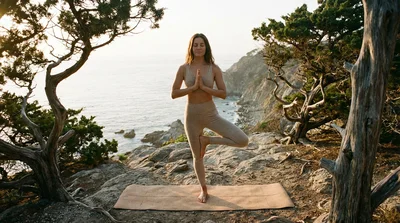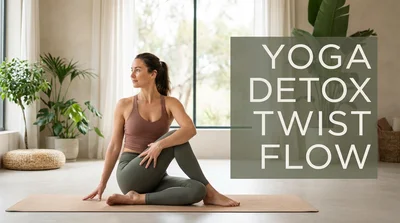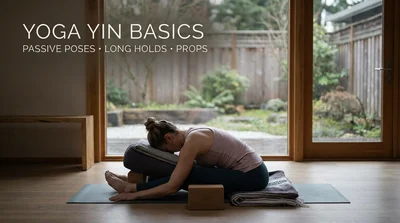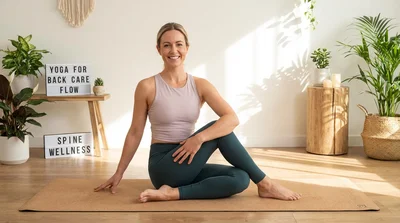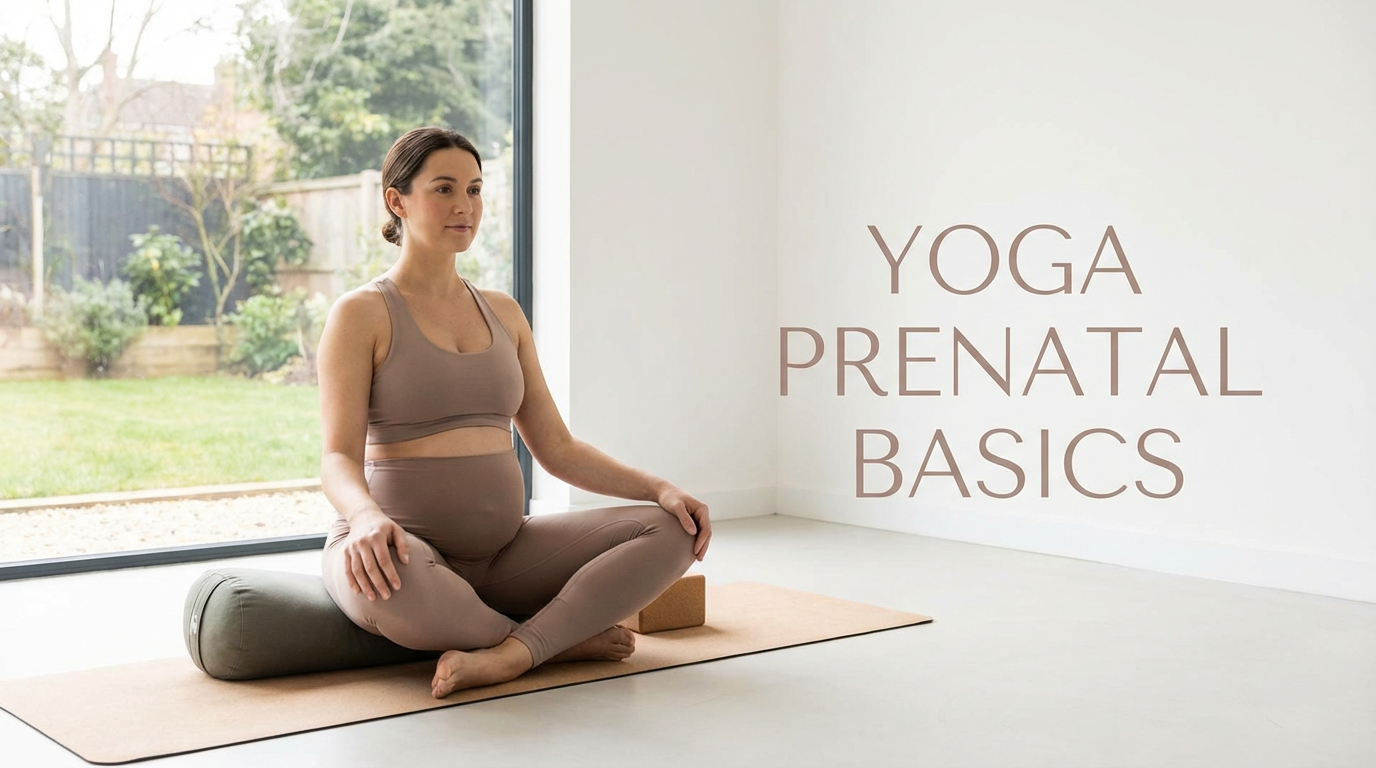
Prenatal yoga supports comfort, strength, and relaxation during pregnancy. Modified poses and breathwork ease common discomforts, help prepare the body for labour, and offer a calm space to connect with your changing body and your baby. This guide covers the benefits of prenatal yoga, safety and contraindications, trimester-specific considerations, key poses and modifications, breathwork, what to avoid, class versus home practice, and practical takeaways so you can practise confidently and safely.
Benefits of Prenatal Yoga
Prenatal yoga is more than gentle stretching. Regular practice can improve physical comfort by easing lower back pain, hip tension, and round ligament discomfort. Strengthening the legs, pelvic floor, and upper body supports posture as your centre of gravity shifts and prepares you for carrying your baby and for labour. Flexibility in the hips and pelvic area may help with positioning and comfort during birth. On the emotional side, breathwork and mindful movement reduce stress and anxiety and support better sleep, which many pregnant people find harder as pregnancy progresses. Building body awareness helps you notice tension and release it, and connecting with other expectant parents in a class can reduce isolation and build community. Learning to relax the pelvic floor and breathe through discomfort can translate directly into labour: many birth educators and midwives recommend prenatal yoga as a complement to childbirth classes. The combination of movement, breath, and mindfulness supports both physical readiness and mental resilience as your due date approaches. Evidence suggests that prenatal yoga may be associated with fewer pregnancy complications, lower perceived stress, and improved birth outcomes when practised consistently and safely; it is a valuable part of a holistic approach to pregnancy wellness. Even short sessions—ten to twenty minutes of gentle movement and breathwork—can make a difference, so there is no need to commit to long practices if that does not suit your energy or schedule.
Safety and Contraindications
Before you step on the mat, a quick safety check ensures you are not putting yourself or your baby at risk. Absolute contraindications to prenatal yoga include placenta previa after 26 weeks, cervical insufficiency (incompetent cervix), persistent bleeding, ruptured membranes (broken waters), or preterm labour. Relative contraindications—meaning you need explicit clearance from your obstetrician or midwife—include a history of miscarriage or preterm birth, multiple gestation with complications, pre-eclampsia or pregnancy-induced hypertension, and any heart or lung condition that limits exercise. If you have gestational diabetes, pelvic girdle pain, or symphysis pubis dysfunction, a prenatal teacher can help you adapt poses so you avoid pain or instability. When in doubt, ask your provider; they can advise based on your individual pregnancy. If you have had a previous caesarean or other abdominal surgery, mention it to your prenatal yoga teacher so they can suggest alternatives for any pose that might pull or strain the scar area.
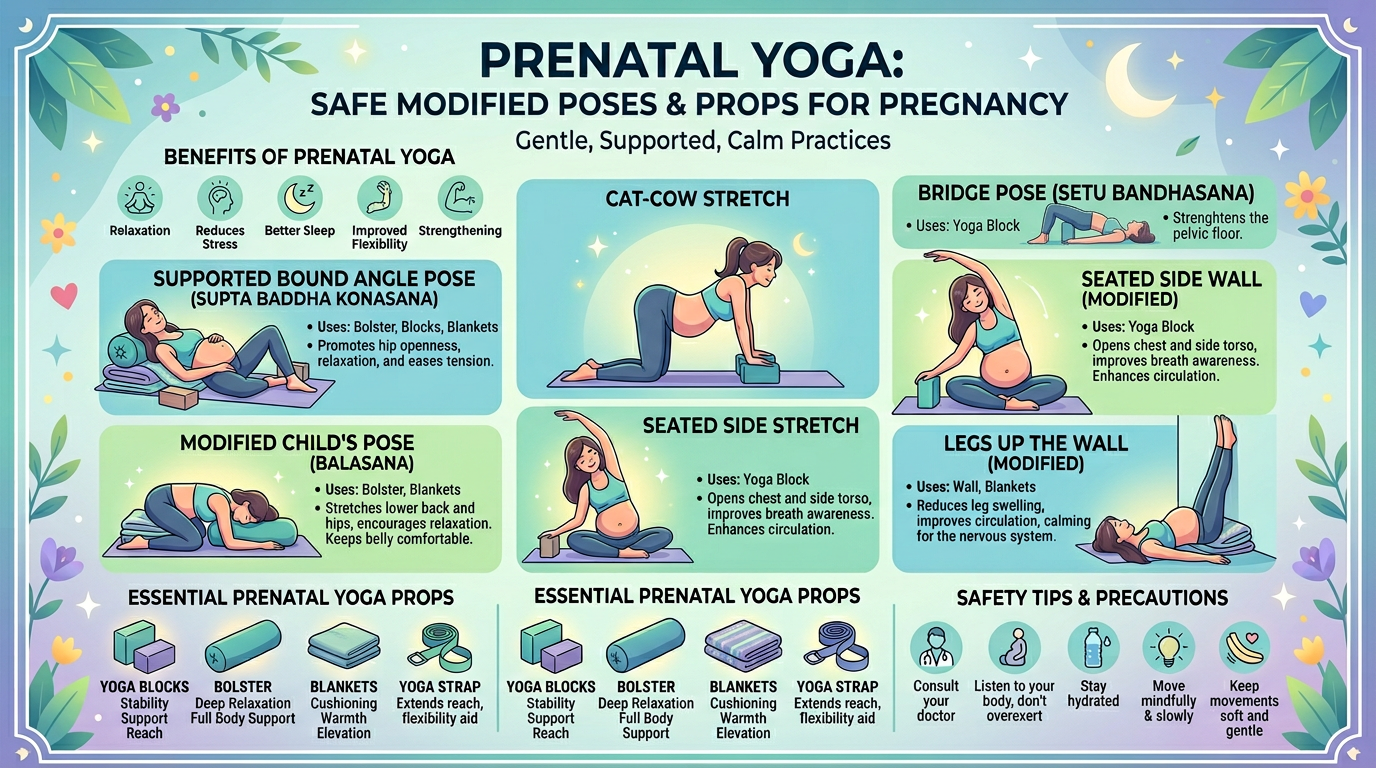
Safety comes first. Always get clearance from your healthcare provider before starting or continuing prenatal yoga, especially if you have a high-risk pregnancy, placenta previa, cervical insufficiency, preterm labour risk, multiple gestation with complications, pre-eclampsia, or any condition your doctor says requires activity restriction. Avoid hot yoga, power yoga, and intense vinyasa or inversions; prenatal practice should be moderate, breath-centred, and adapted to pregnancy. Stop and contact your provider if you experience bleeding, fluid loss, severe headache, chest pain, shortness of breath beyond mild exertion, dizziness, or contractions. Listen to your body: if a pose causes pain, pressure, or discomfort, skip it or modify. Hydrate well, use props for support, and never force flexibility or hold your breath. A qualified prenatal yoga teacher can tailor poses to your stage and any limitations. Room temperature should be comfortable—not hot—and you should be able to speak in full sentences during movement; if you are breathless, ease off. Finally, inform your teacher of your due date and any complications so they can offer appropriate modifications.
Trimester Considerations
First trimester. Fatigue and nausea are common; shorter, gentler sessions may be more realistic than long classes. Avoid overheating and overexertion. Focus on gentle movement, basic breathwork, and establishing a sustainable routine rather than intensity. If you are new to yoga, start slowly; if you are experienced, avoid deep twists, strong core work, and jumps. Lying on the back is generally fine early on but can compress the vena cava later; by the second trimester, avoid prolonged supine positions.
Second trimester. Energy often returns and the bump becomes more visible. This is a good time to build strength and flexibility with prenatal-specific modifications. Widen the stance in standing poses for balance, avoid deep twists that compress the belly, and skip poses that require lying flat on the back for more than a minute or two. Use a bolster or wedge if you do brief supine work. Emphasise hip openers, pelvic floor awareness, and posture support. This is often the most comfortable trimester for longer, more varied sessions provided you keep modifications in place.
Third trimester. Balance shifts and fatigue may return. Prioritise stability: use the wall or a chair for standing poses, avoid long holds in static balance poses, and favour seated and supported poses. Continue hip openers and breathwork; avoid lying on the back. Rest when needed and shorten sessions if necessary. The goal is comfort and preparation, not intensity. Some people find that pelvic floor exercises (Kegels) or gentle core awareness—without crunches or planks—can be woven into the practice with guidance from a prenatal teacher or physiotherapist.
Key Poses and Modifications
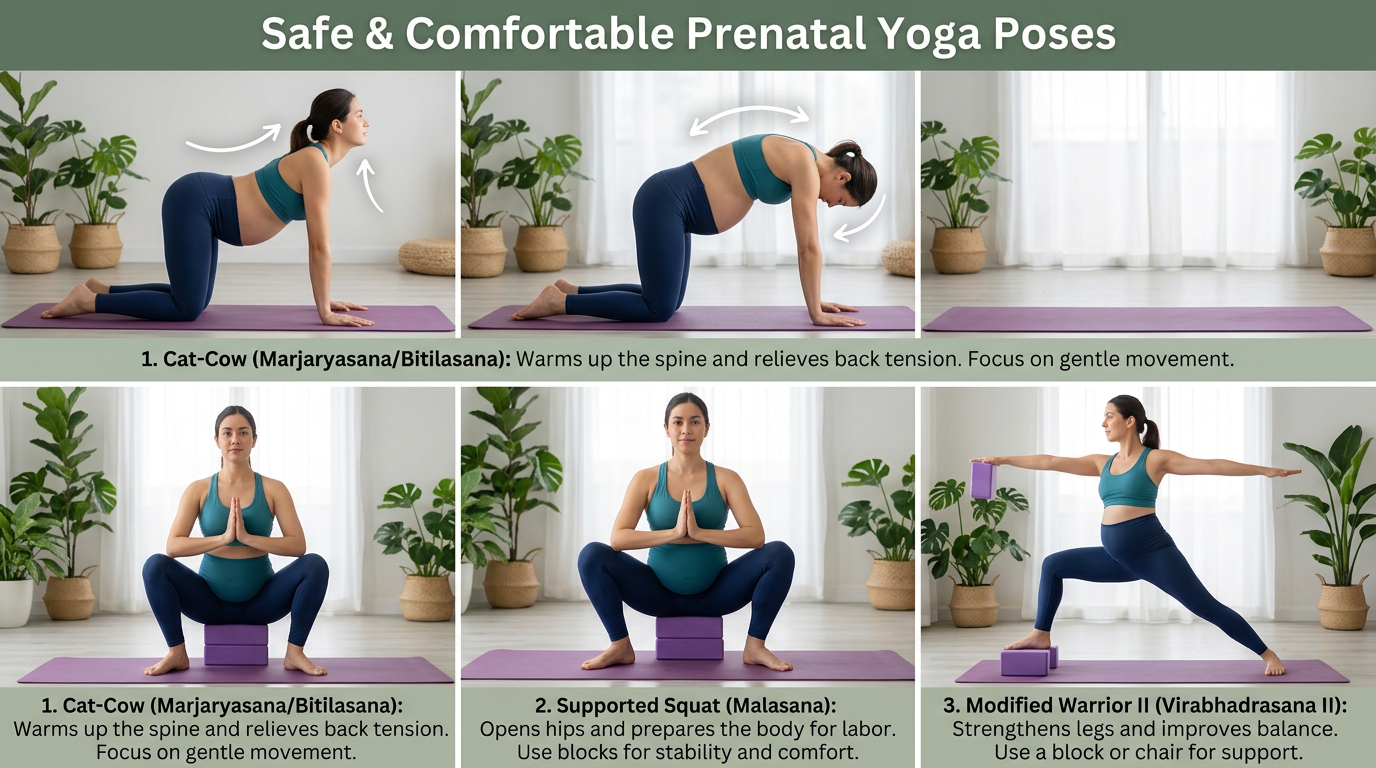
Cat–Cow (Marjaryasana–Bitilasana). On hands and knees, alternate between rounding the spine (cat) and arching gently (cow) with the breath. Eases lower back and encourages mobility in the spine. Keep the wrists under the shoulders and knees under the hips; if the wrists bother you, use fists or push into a wall. Move slowly and match the movement to your breath for a calming, rhythmic flow.
Supported Squat (Malasana with block or wall). Squat with the feet wide and hold a block between the thighs or use the wall for balance. Opens the hips and pelvis and strengthens the legs. If the heels lift, place a folded blanket under them or widen the stance.
Warrior II (Virabhadrasana II), modified. Stand with a wide stance, front knee bent over the ankle, back leg straight. Widen the feet more than in a non-pregnant practice for stability. Use the wall or a chair for balance if needed. Builds leg strength and opens the hips.
Goddess (Utkata Konasana). Wide-legged stance with knees bent out over the toes, arms at shoulder height or in a comfortable position. Strengthens the legs and opens the hips; keep the knees tracking over the toes and the spine tall.
Supported Child’s Pose (Balasana). Kneel and fold forward with the knees wide and a bolster or stacked pillows under the chest and belly. Rest the arms and head. Relieves lower back and hip tension and encourages relaxation. Hold for as long as feels good; there is no need to rush.
Side-lying relaxation. Lie on your left side (optimal for circulation) with a pillow between the knees and optionally under the belly or under the head. Breathe deeply and rest. Safe for all trimesters and useful for savasana instead of lying on the back.
Seated hip openers. Sit with the soles of the feet together (Baddha Konasana) or in a wide-legged seat; use blocks or cushions under the knees if needed. Gently encourages hip and pelvic flexibility. Avoid forcing the knees down. You can hold each pose for several breaths or flow between them gently.
Use blocks, straps, bolsters, and the wall freely; do not hesitate to use them. The aim is comfort and support, not achieving a “full” expression of each pose.
Breathwork
Breathwork is a cornerstone of prenatal yoga. Deep, even breathing calms the nervous system, supports oxygen flow to you and your baby, and can be used during labour. Diaphragmatic breathing: place one hand on the belly and one on the chest; inhale and let the belly rise, then exhale and let it soften. Practise daily to make it familiar. Ujjayi (ocean breath): slight constriction at the back of the throat so the breath sounds like soft waves; use during movement to stay steady and focused. Counting breath: inhale for a count of four, exhale for four (or six); lengthening the exhale promotes relaxation. Avoid breath retention (kumbhaka) and rapid or forced breathing (e.g. Kapalabhati or Bellows Breath) unless a prenatal specialist has cleared it. Simple breath awareness—sitting or lying comfortably and observing the natural breath without changing it—is also a safe and effective way to calm the mind and can be done anytime, including when you are too tired for physical practice. Breathwork can reduce anxiety, improve sleep, and build a toolkit for labour and recovery. During labour, the same diaphragmatic and counting breaths can help you stay calm between contractions and work with your body rather than against it. Practising now makes that easier when the time comes.
What to Avoid
Skip poses that compress or twist the abdomen deeply, such as full closed twists or poses that crunch the belly. Avoid lying flat on the back for extended periods after the first trimester (vena cava compression). No hot yoga; overheating can be harmful in pregnancy. Avoid inversions (headstand, shoulderstand, handstand) unless you are very experienced and your provider has approved them; many prenatal teachers omit them entirely. Skip jumps, strong core work (e.g. full Navasana), and poses that risk falling or abdominal impact. Do not hold the breath or push into pain. If in doubt, leave the pose out or ask a qualified prenatal instructor. Belly-down poses (e.g. full Cobra or Bow pose on the belly) are also best avoided once the bump is prominent. Deep backbends that compress the lower back or require significant core engagement should be skipped or heavily modified. Your safety and comfort matter more than completing a full sequence.
Class vs Home Practice
Classes offer structure, a trained prenatal teacher who can cue modifications and watch alignment, and the support of other expectant parents. Look for instructors with prenatal certification or clear experience in teaching pregnant students. In-person classes allow hands-on adjustments (with your consent) and real-time feedback. Home practice offers flexibility in timing and length, which helps when energy or nausea varies. Use reliable prenatal videos or sequences from a trusted source; set up a safe space with props and avoid practising when you are dizzy or unwell. Ensure the floor is non-slip and that you have enough space to move without bumping into furniture. A hybrid approach works well: attend class when possible for guidance and community, and supplement with short home sessions for consistency. Whether you prefer class, home, or both, prioritise safety and comfort over duration or intensity. If you practise at home, choose a time when you are unlikely to be interrupted and keep water nearby. Start with five to ten minutes if that is all you have; regularity matters more than length. After birth, wait until your provider clears you for exercise before returning to yoga, and consider a postnatal class or programme that addresses recovery, core, and pelvic floor.
Takeaways
Prenatal yoga supports physical comfort, strength, flexibility, and emotional wellbeing during pregnancy. Get your provider’s approval before starting; avoid hot yoga, deep twists, prolonged supine poses after the first trimester, inversions unless approved, and any pose that causes pain or pressure. Adapt your practice by trimester: gentler in the first and third, with more strength and mobility work in the second. Use key poses such as cat–cow, supported squat, modified warrior, goddess, supported child’s pose, side-lying rest, and seated hip openers, with props and modifications as needed. Practise breathwork daily—diaphragmatic and ujjayi breath—for relaxation and labour preparation. Choose class, home, or both based on what keeps you consistent and safe. Prioritise listening to your body and building a sustainable, supportive practice for pregnancy and beyond. Prenatal yoga is one piece of a healthy pregnancy: combine it with good nutrition, rest, and regular prenatal care for the best outcomes for you and your baby.