Why Yoga for Stress?
Stress shows up in the body as tension in the shoulders, jaw, and back, and in the mind as racing thoughts or low mood. Yoga combines movement, breath awareness, and rest in a way that can lower the stress response and promote a sense of calm. This 3-week programme is designed for anyone who wants a gentle, repeatable practice focused on relaxation and breathing rather than fitness or flexibility goals. You do not need to be flexible or experienced — only willing to slow down and breathe.
What This Programme Includes
The programme runs for 3 weeks with three sessions per week. Phase 1 (week 1) focuses on calm: breathing exercises, simple seated or supine poses, and short rest (e.g. Savasana or supported child’s pose). Phase 2 (weeks 2–3) adds gentle flows — linking breath with movement in a slow, mindful way — so you build a habit of moving and breathing without pushing. Each session can be 20–40 minutes depending on your time; consistency matters more than length.
Breathing First
Breath work is at the centre of stress relief. Start each session with a few minutes of simple breath awareness: notice the inhale and exhale without changing them. You can then try extended exhales (e.g. inhale for 4 counts, exhale for 6) to activate the calming part of the nervous system. Belly breathing — letting the abdomen rise on the inhale and fall on the exhale — is another simple tool. If you only have a few minutes on a busy day, breathing alone can help; the rest of the practice builds on that foundation.
Gentle Movement
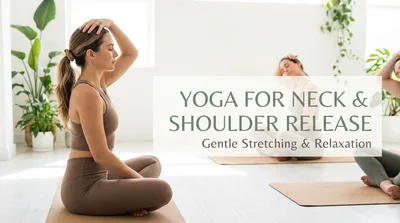
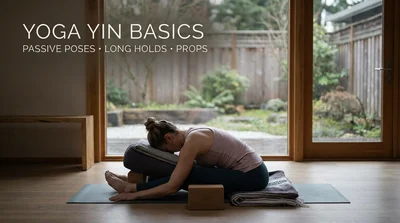
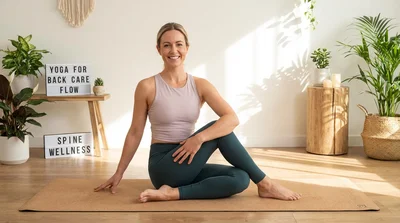
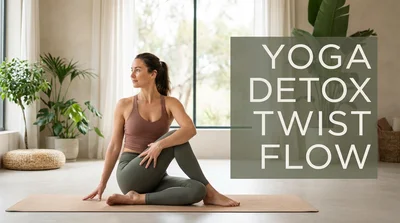
Movement in this context is not about strength or stretch goals; it is about releasing held tension. Gentle cat-cow, child’s pose, seated forward fold (with bent knees if needed), and supine twists are examples of poses that encourage release. Move slowly and only as far as feels comfortable. If a pose causes pain or sharp discomfort, ease off or skip it. The aim is to feel a bit more open and relaxed after the session, not to achieve a particular shape.
Rest and Integration
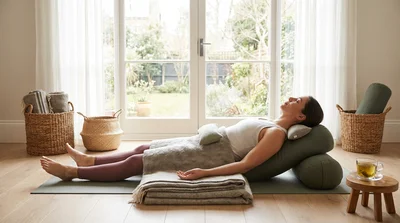
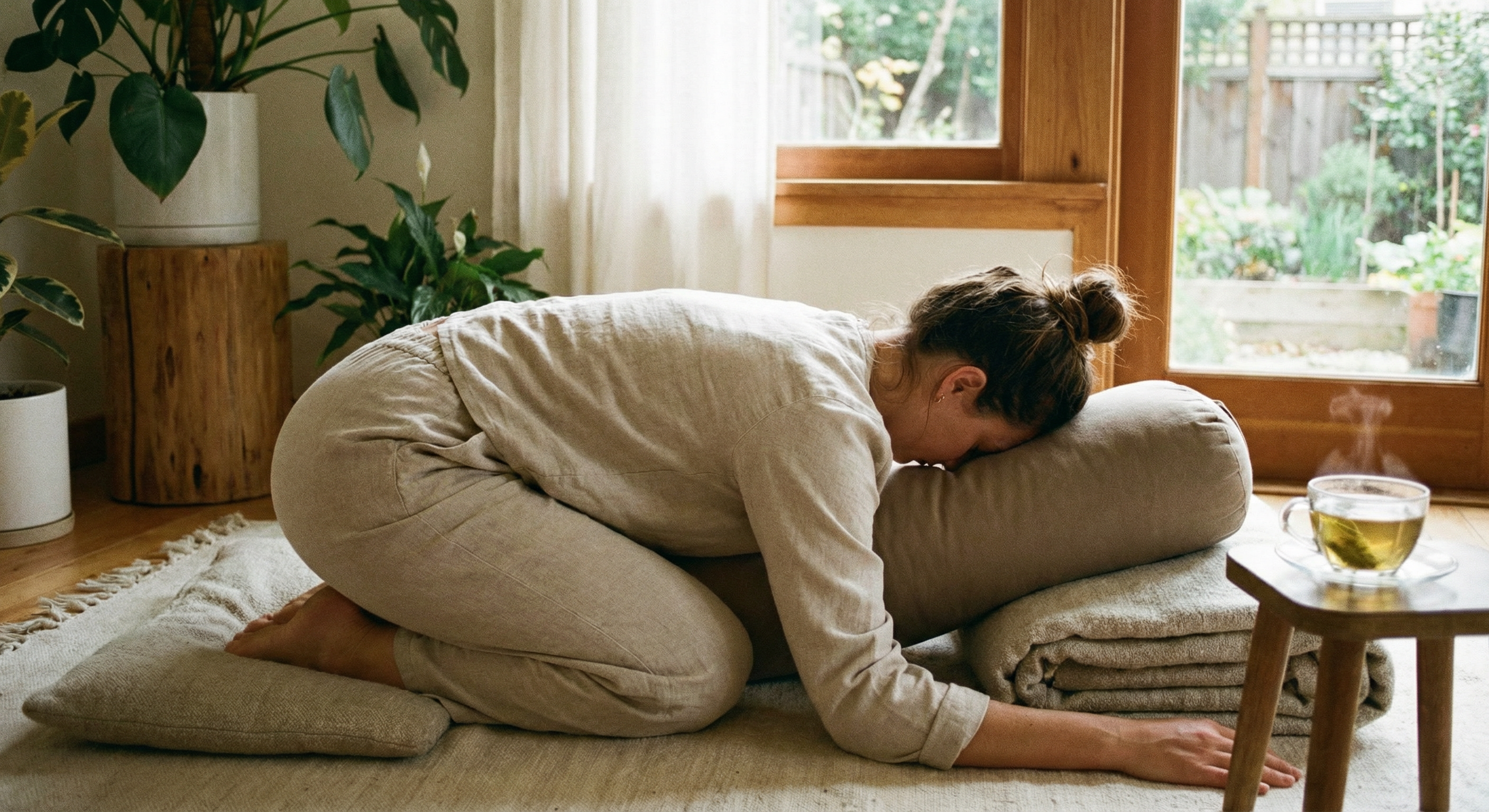
End each session with at least a few minutes of rest. Savasana (lying on your back with eyes closed) or supported child’s pose allows the body and nervous system to integrate the practice. You can use a blanket or cushion for comfort. This is not wasted time — rest is when the benefits of breathing and gentle movement settle in. If you are short on time, a 2–3 minute rest is still valuable.
Building a Habit
Three sessions per week over three weeks creates a rhythm. Choose fixed times if possible (e.g. morning or before bed) so the practice becomes part of your routine. You can use the same sequence each time or vary it slightly; the programme gives you a structure, but you can shorten or extend based on how you feel. The goal is sustainable stress relief, not perfection.
Summary
- Focus: Relaxation, breathing, and gentle release over 3 weeks.
- Frequency: Three sessions per week; 20–40 minutes each.
- Phases: Week 1 calm and breath; weeks 2–3 gentle flows.
- Rest: Always end with a few minutes of Savasana or supported rest.
This yoga stress relief flow offers a simple, repeatable way to support your nervous system and build calm through breath and gentle movement.